Etusivu » Lighting design and automation design
Lighting design and automation design
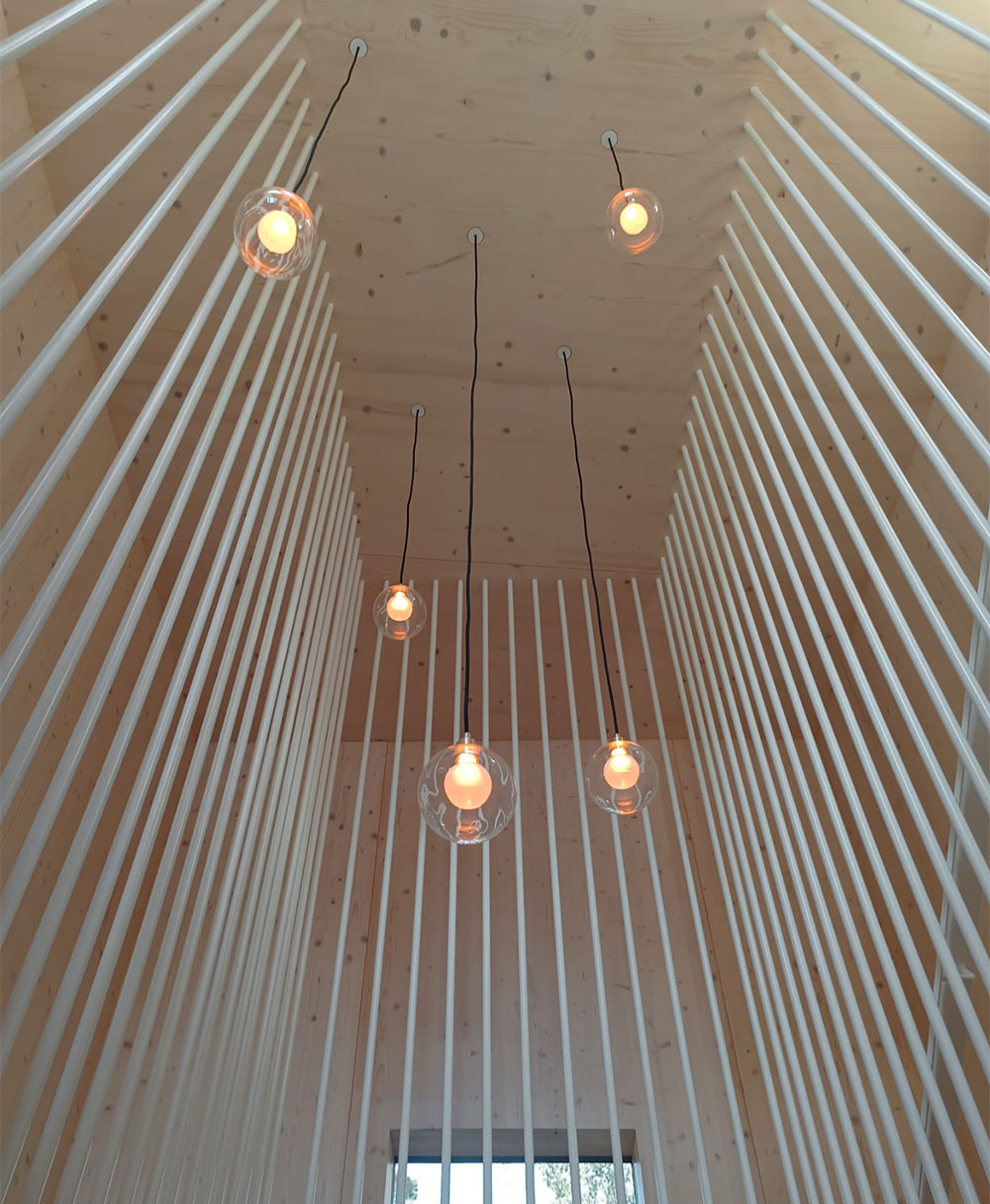
Lighting design focuses on the placement of fixtures, the quality of light, and the overall aesthetic, while lighting automation design centers on the intelligent control and optimization of lighting. These two aspects complement each other, and together they ensure that the lighting not only looks good and meets functional requirements but is also energy-efficient, user-friendly, and automated to meet the needs of a modern building.
Otherwise specializes in tailoring lighting solutions, and our design work encompasses both areas. If either aspect is neglected, the overall result suffers, and the full potential of next-generation LED lights, such as tunable white solutions, cannot be fully realized. Additionally, without clear plans and guidelines during electrical contracting, things can go wrong. For this reason, Otherwise supervises and advises during construction to ensure that everything is executed as planned.
Lighting Design
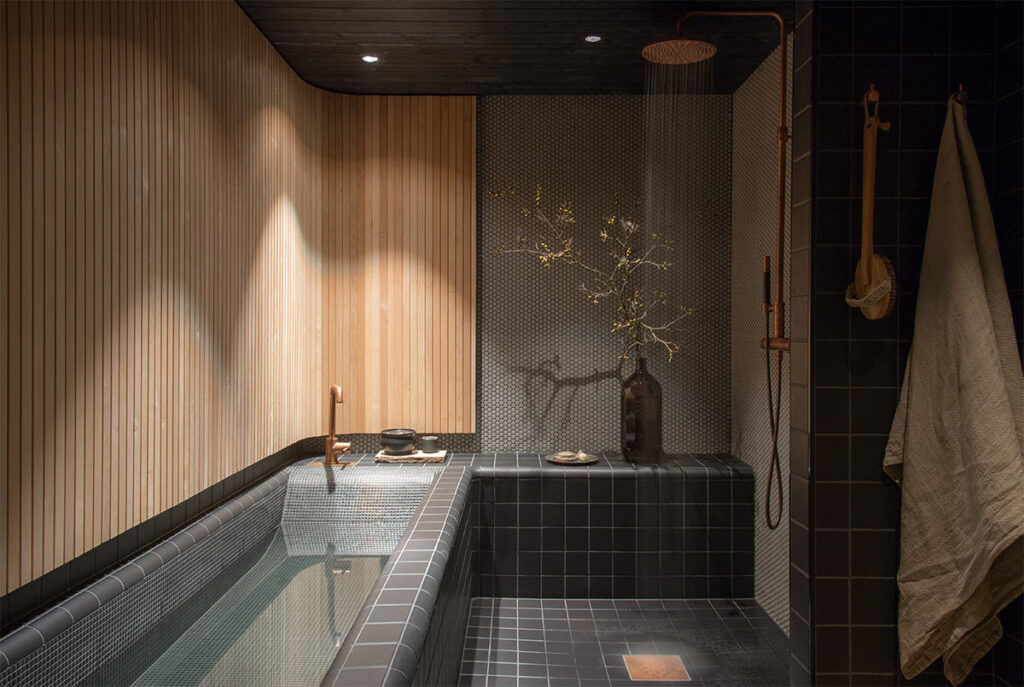
Lighting design focuses on organizing lighting within a space to meet both visual and functional needs.
This includes:
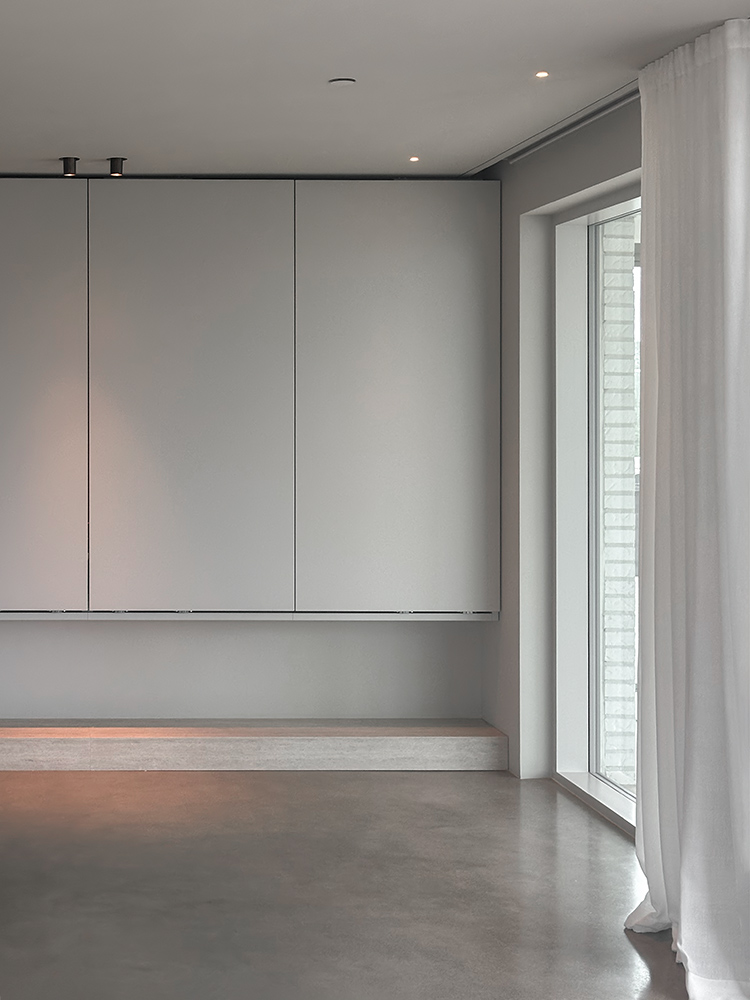
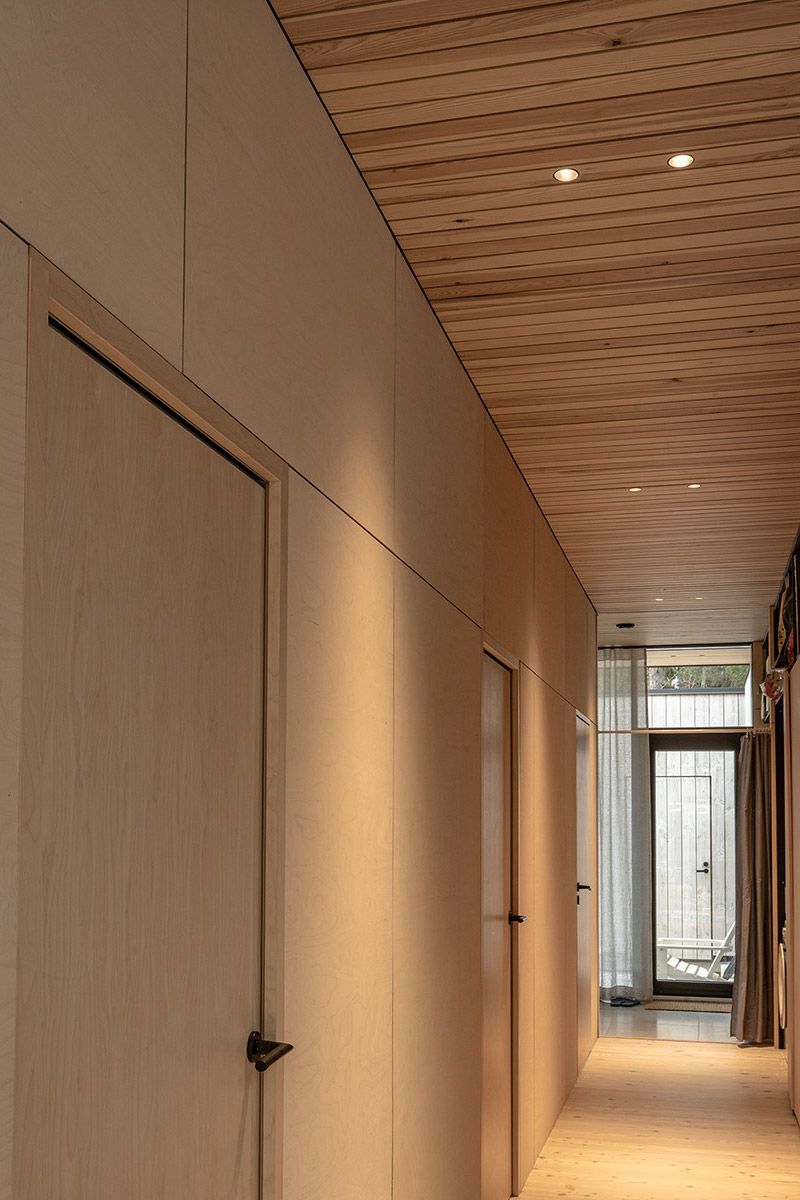
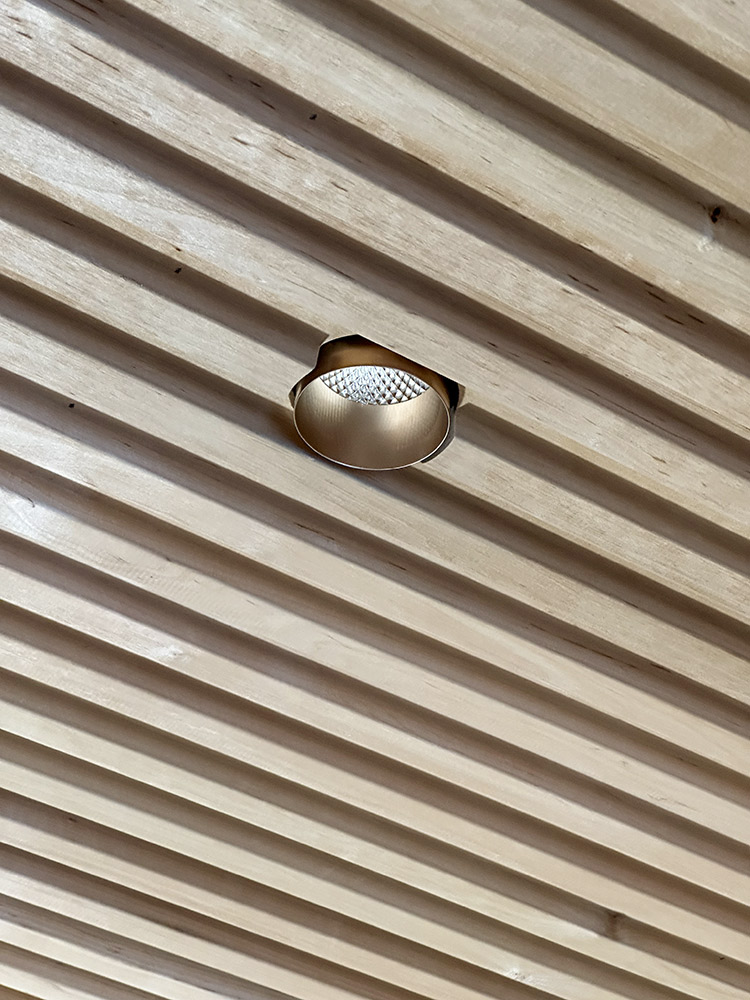
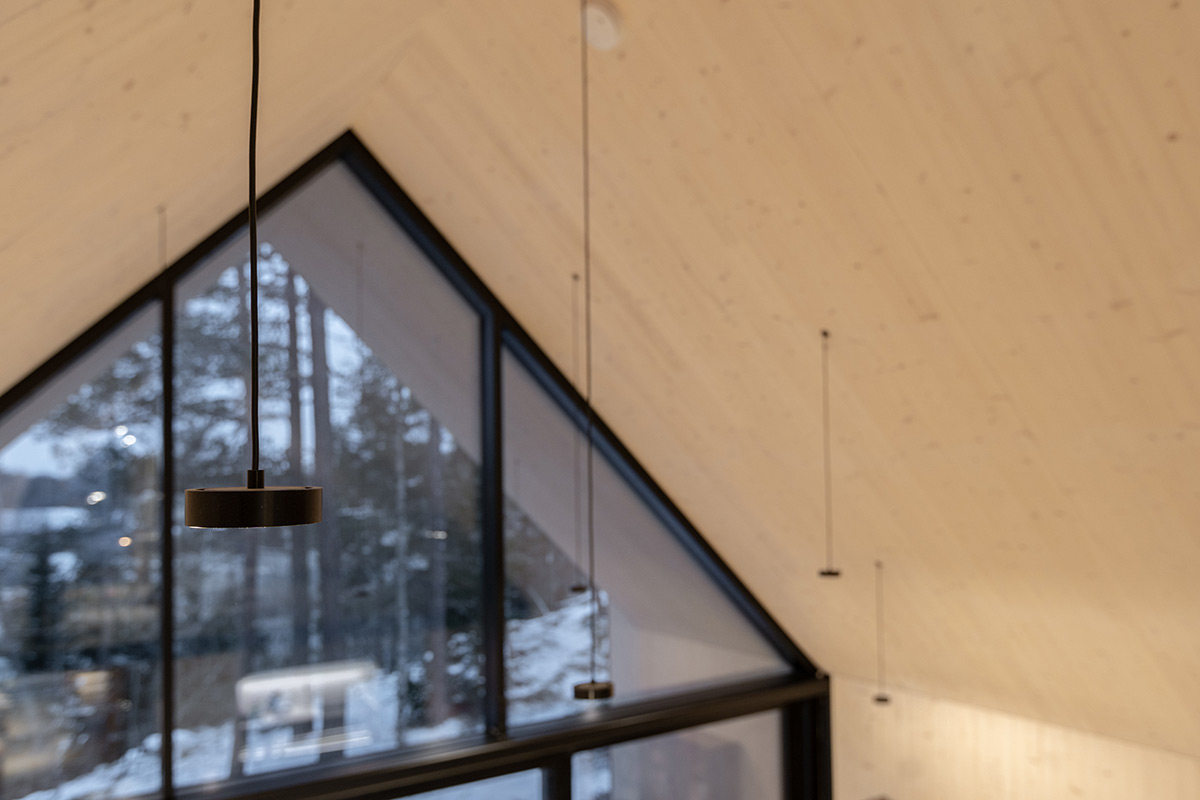
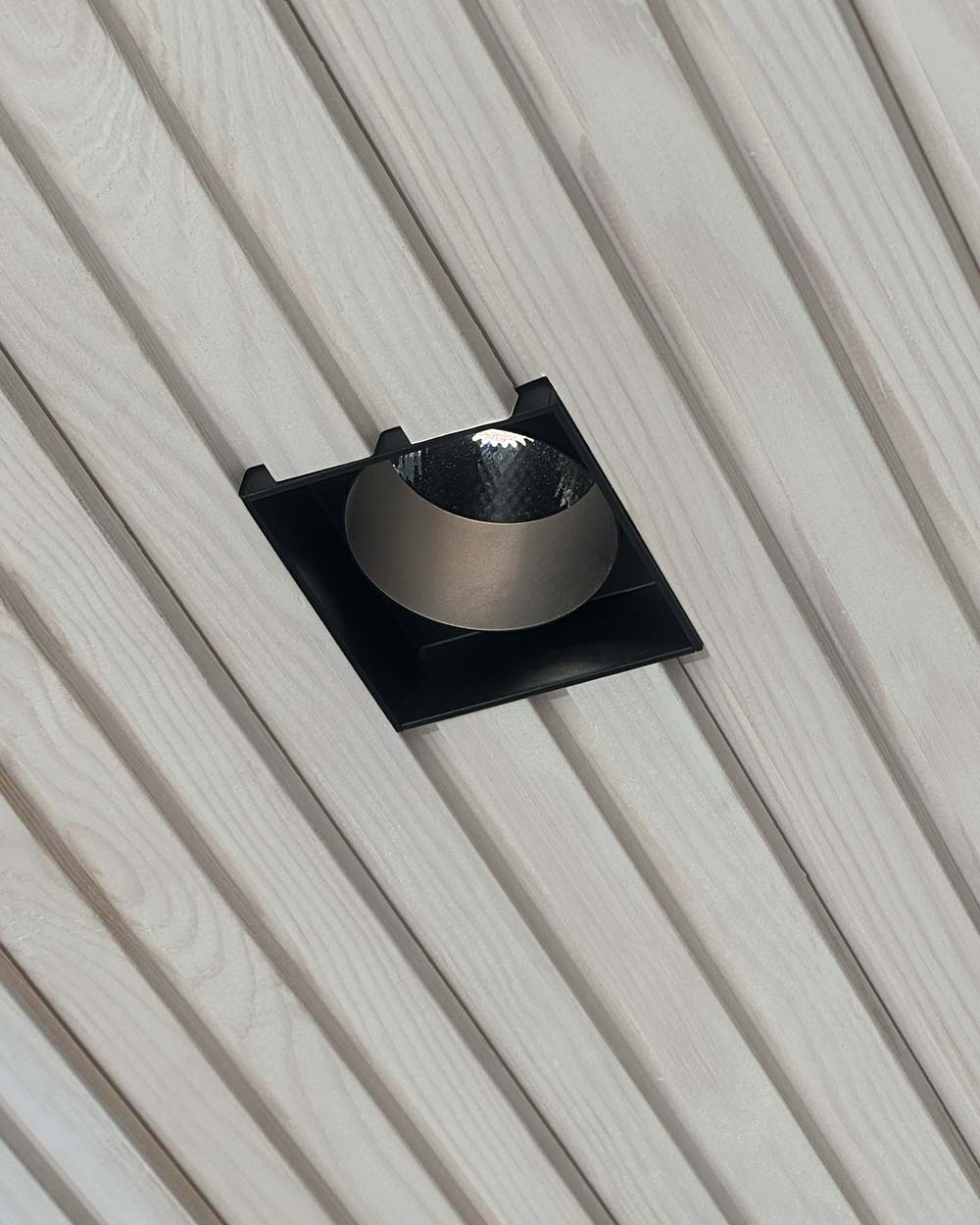
- Selection and placement of light sources: The designer chooses fixtures and their placement to provide the necessary amount of light and the appropriate light quality (e.g., color temperature, light distribution).
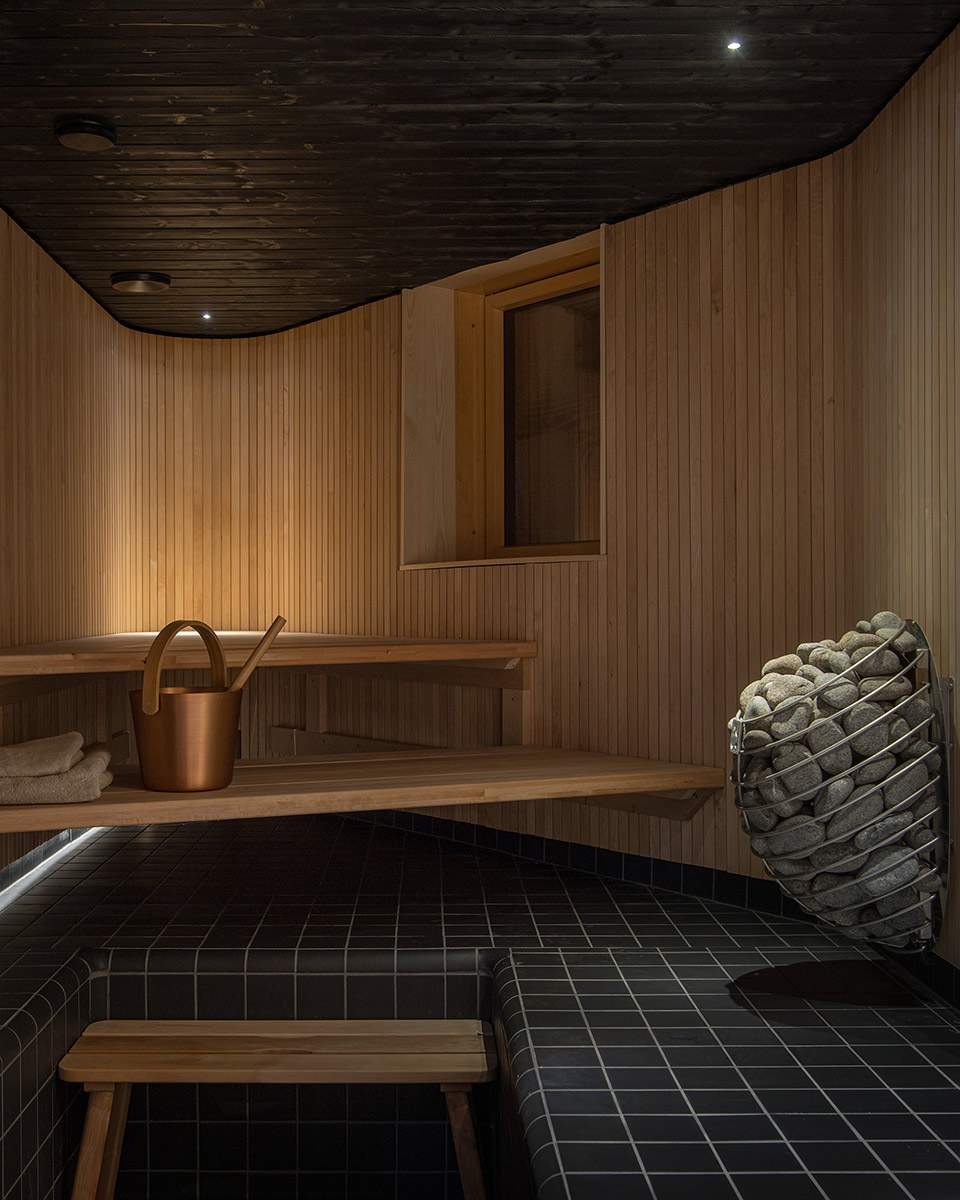
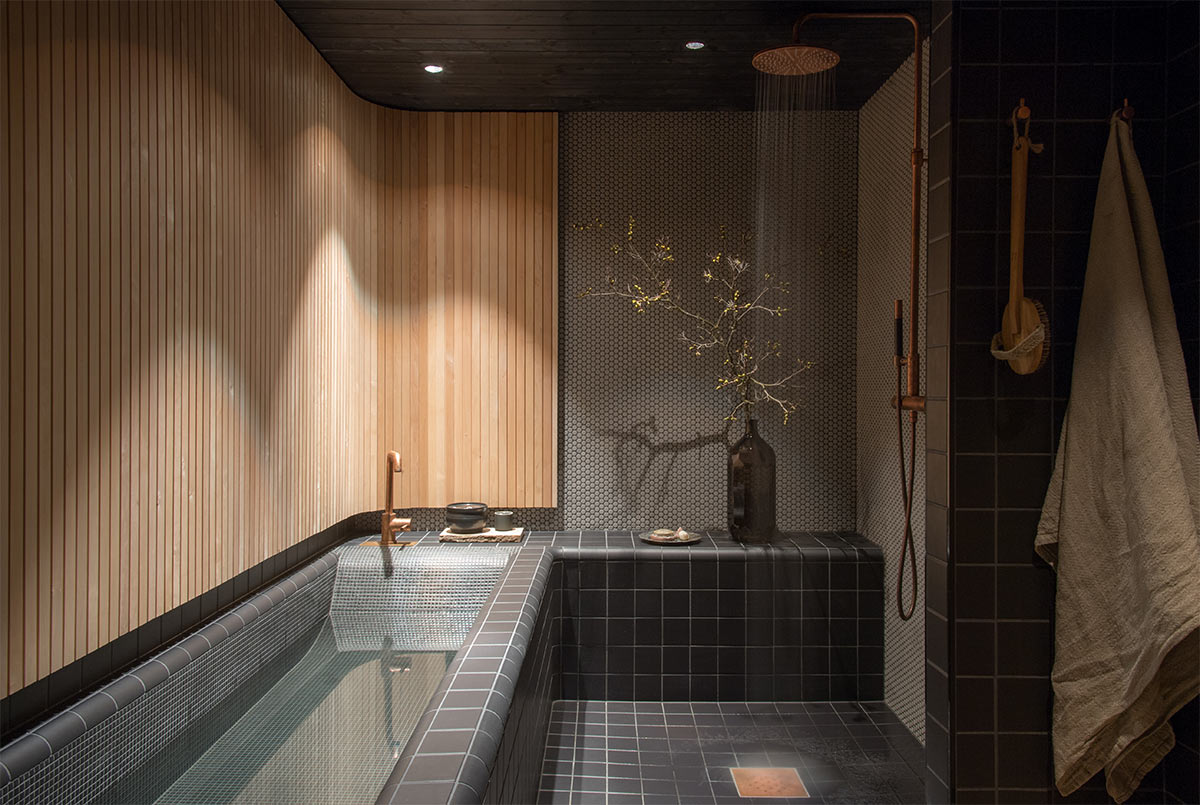
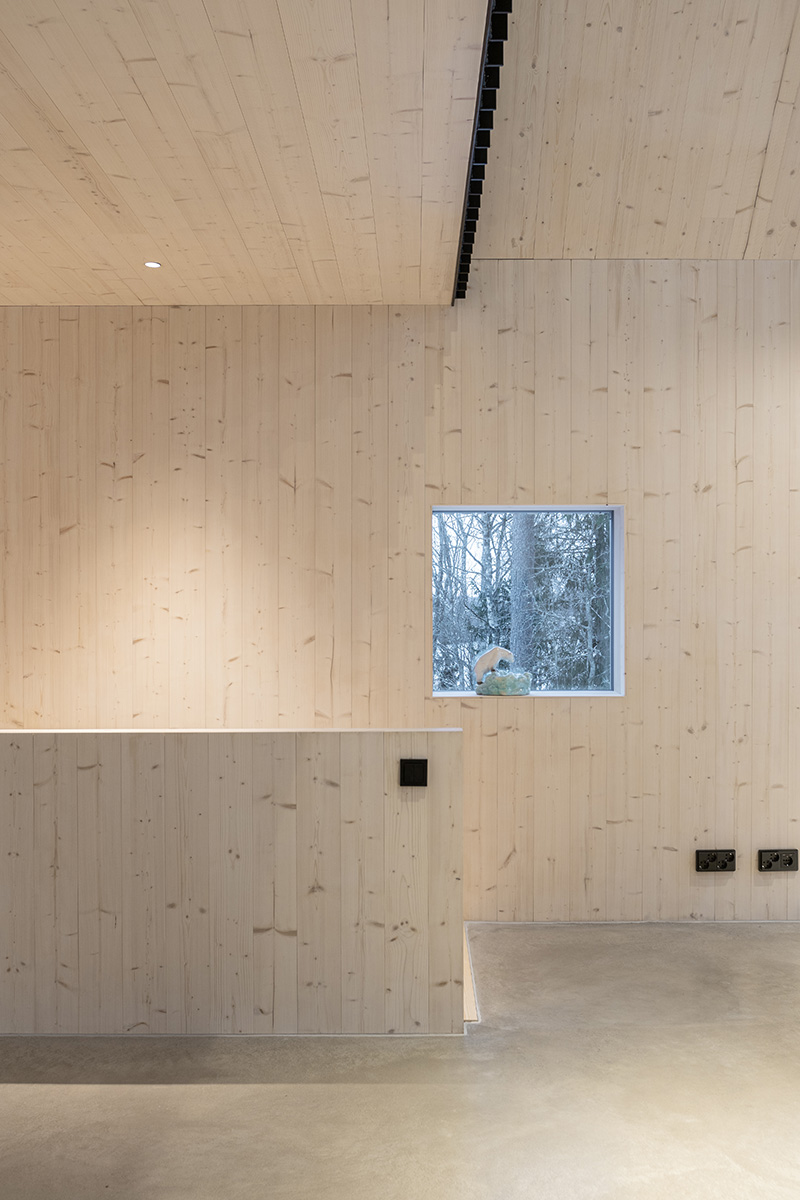
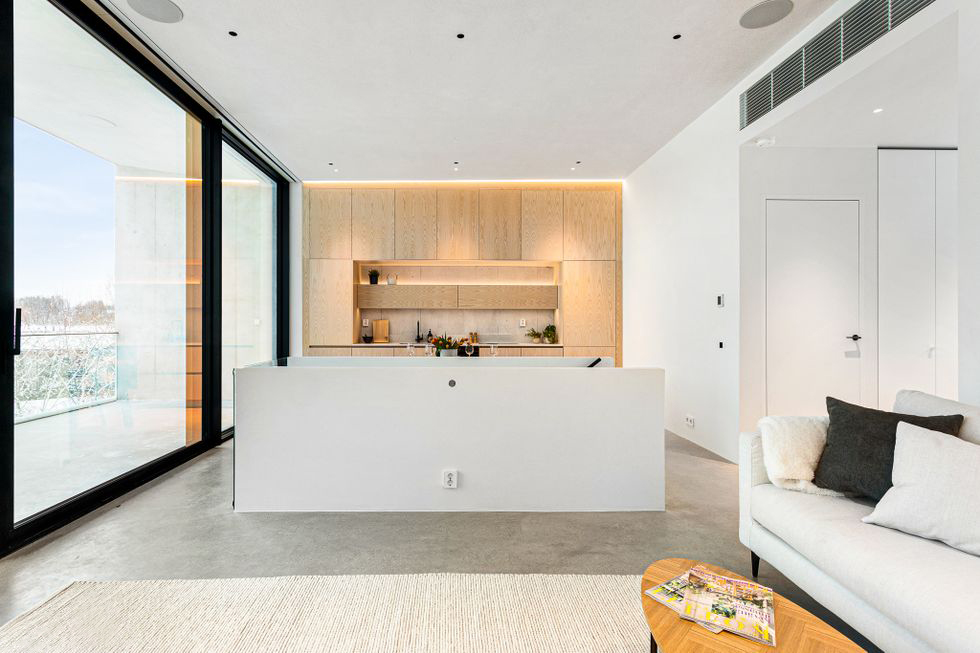
- Aesthetics and atmosphere: Lighting design considers the space’s aesthetics and how lighting can highlight architectural elements and create the desired ambiance.
- Type of light sources: The type of fixture is chosen based on its suitability, energy efficiency, and aesthetic preferences.
- Standards and regulations: The design also takes into account local building codes and lighting standards, such as minimum requirements for indoor lighting.
Lighting Automation Design
Lighting automation design, on the other hand, focuses on the automation and intelligent control of the lighting system.
This involves:
- Automation logic: The designer defines how and when the lights will turn on, off, or dim, based on factors like timers, motion sensors, natural light levels, or user actions.
- Control systems and protocols: Automation requires intelligent control systems and protocols, such as Casambi, DALI, KNX, or Bluetooth Mesh, which enable remote control and automation of the lighting.
- Optimization of energy efficiency: Automation allows for efficient management of lighting, such as automatically dimming or turning off lights when spaces are unoccupied or when natural light is sufficient.
- User-friendliness and integration: The design considers how the system can be controlled in a user-friendly way, for example, through a smartphone app or voice control, and how it integrates with other building automation systems.
- The designer’s role in the construction project: Involving the designer from the start of the construction project ensures that automation systems can be integrated effectively and cost-efficiently. When automation and lighting are planned early on, complex and costly changes later can be avoided, and the benefits of the systems can be maximized.
- Guidance for electrical contracting: Without clear plans and guidelines, things often don’t go as they should during electrical contracting. Otherwise supervises and advises during construction to ensure that the plans are implemented correctly and efficiently.
See also: