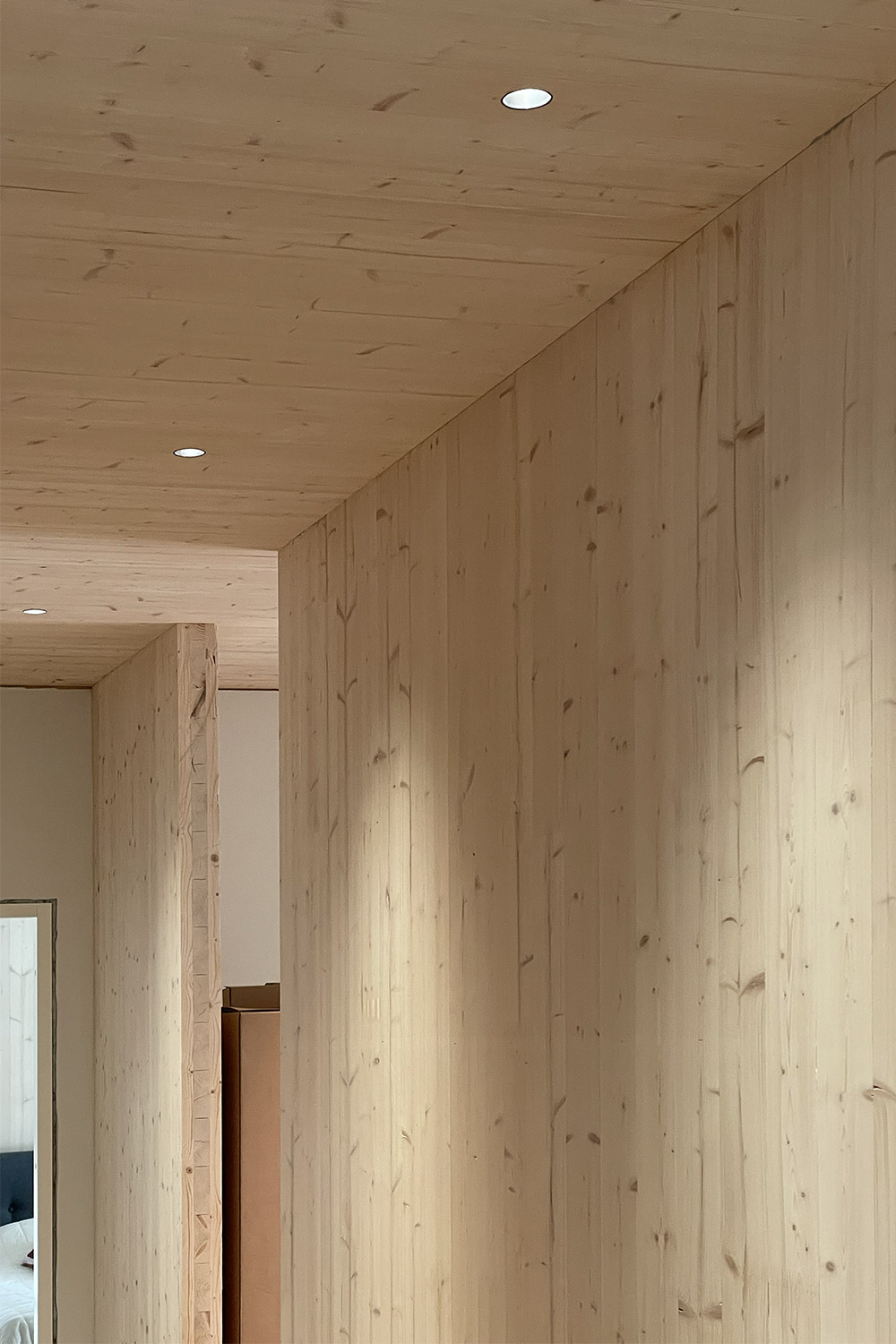
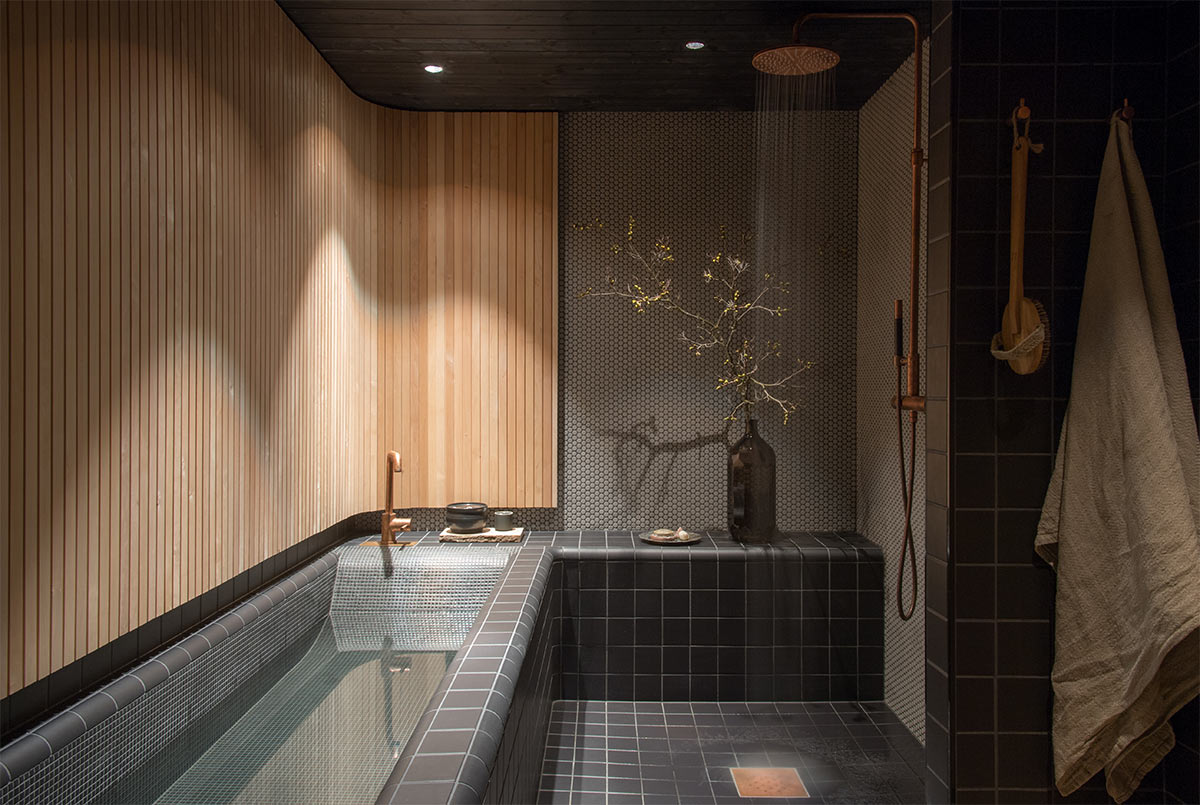
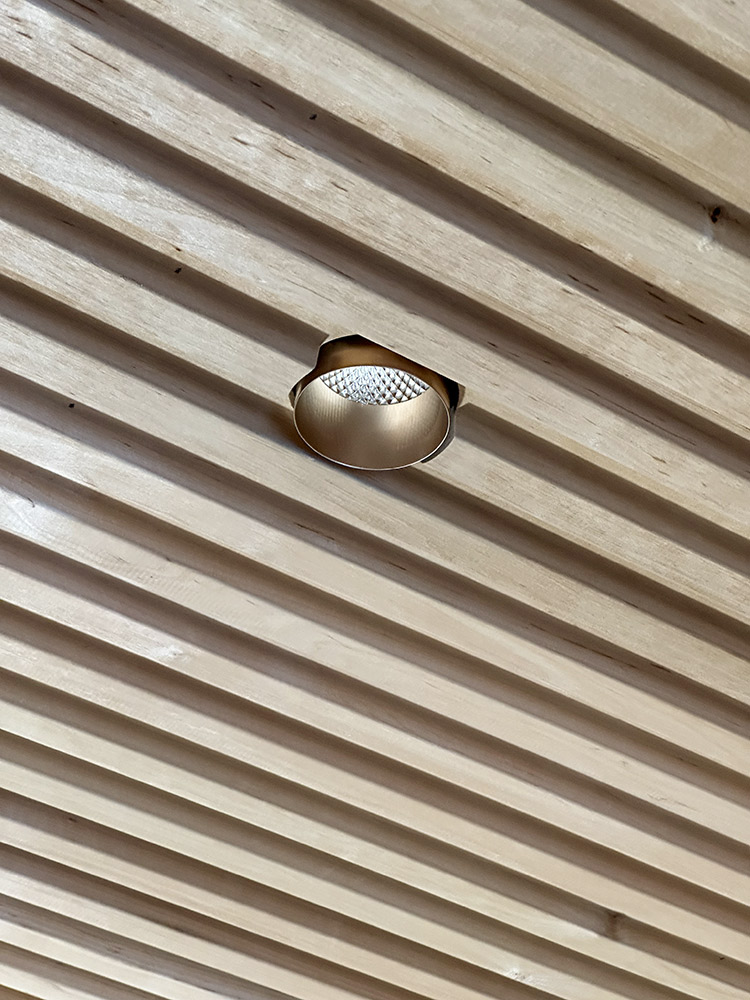
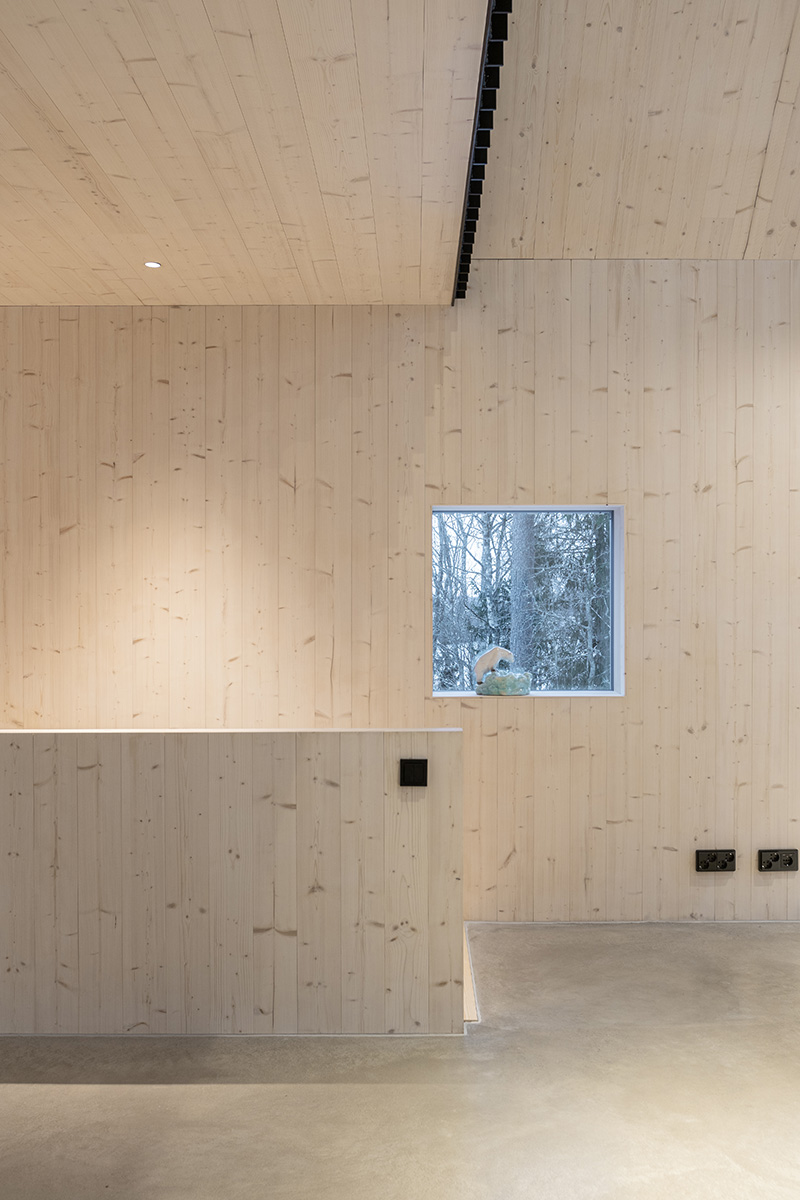
A well-designed lighting plan can completely transform the atmosphere and functionality of a home. Lighting is not just about providing illumination; it also creates coziness, highlights decor, and supports various activities. Here are ten tips to help you create perfect lighting in your home.
1. Plan lighting based on needs
The foundation of good lighting lies in the intended use of different spaces. Consider where bright task lighting is needed, such as in the kitchen and office, and where more ambient lighting is appropriate, like in the living room and bedroom.
2. Layered lighting
Incorporate different types of lighting within the same space: general lighting, accent lighting, and mood lighting. Layered lighting provides flexibility and allows you to adjust the illumination according to the situation.
3. Highlight architectural details
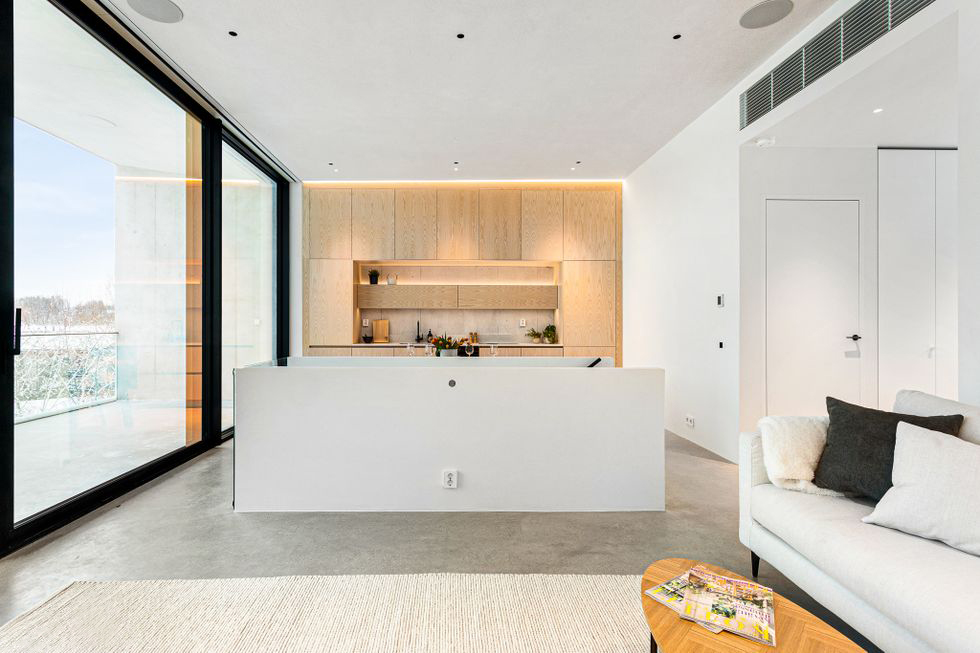
Decorative lighting can emphasize unique features of the home, such as beautiful wall surfaces, art, or furniture. LED strips and spotlights are excellent for this purpose.
4. Adjustable light: Dim to warm and tunable white
Modern lighting should allow the adjustment of light temperature from the same source. “Dim to Warm” technology enables light to become warmer as it is dimmed, creating a cozy atmosphere. “Tunable White” solutions let you adjust the color temperature as needed – cooler for working, warmer for relaxing. Dimming alone is no longer enough – automation plays a key role in this development. With automation, you can program different lighting scenes that add a touch of luxury to daily life.
5. Choose the right color temperatures
Different spaces require different color temperatures. Cool tones (4000–5000 K) are ideal for workspaces, while warm tones (1800–3000 K) create a relaxing atmosphere.
6. Utilize natural light
Design artificial lighting to complement natural light. Use daylight sensors that adjust the lighting intensity based on the amount of external light.
7. Focus on energy efficiency
LED fixtures are energy-efficient, long-lasting, and offer a wide range of tones. They are an eco-friendly and economical choice for the home.
8. Don’t forget outdoor lighting
Well-designed outdoor lighting enhances security and highlights the beauty of your yard. Consider lights with motion sensors and indirect lighting to emphasize plants and landscaping.
9. Lighting control and automation
Modern technology allows lighting to be controlled via smartphone or voice commands. Automation lets you program lighting for waking up or relaxing, enhancing convenience and comfort.
10. Consult a professional
To ensure the perfect lighting design, consider consulting a professional. They can account for the unique characteristics of your space and create a lighting solution tailored to your needs.
In summary: Lighting design is an investment that enhances quality of life and the functionality of your home. Well-planned lighting adapts to your needs and makes your home more comfortable and inviting.