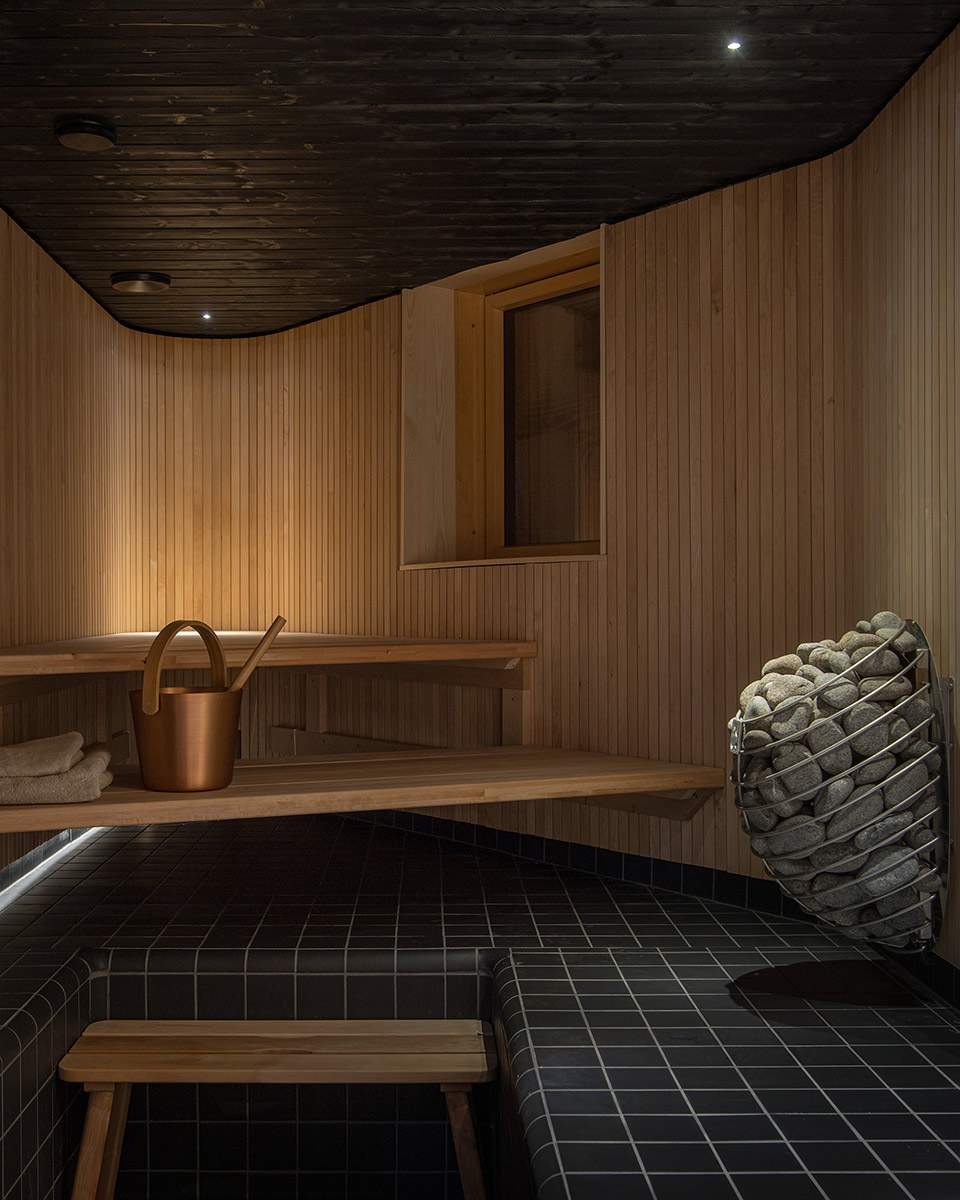
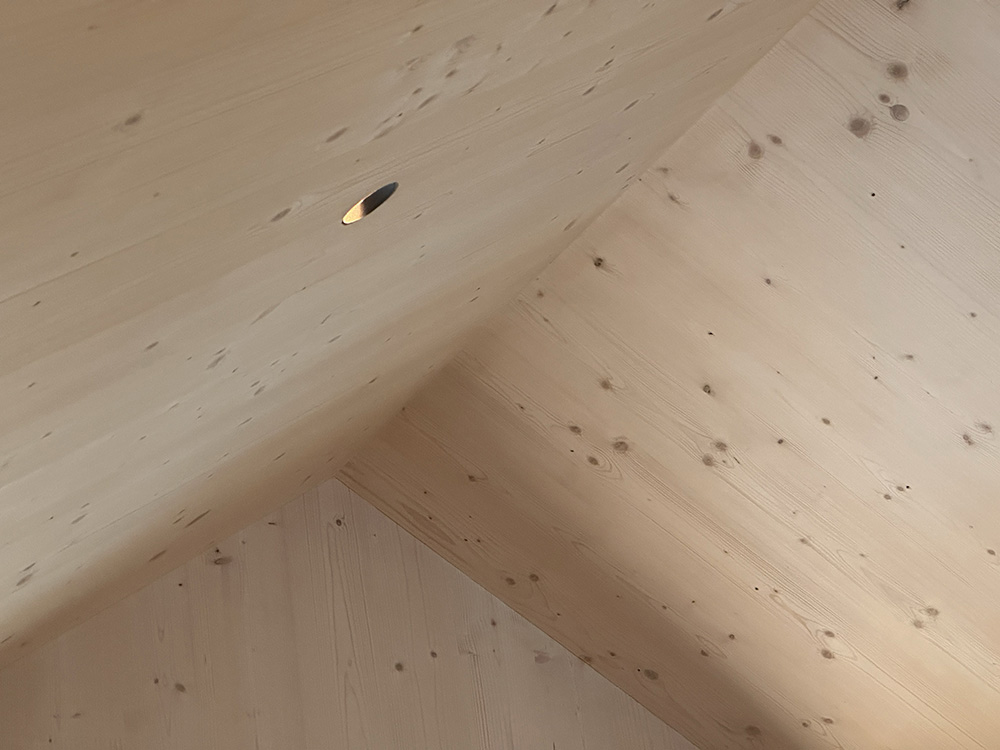
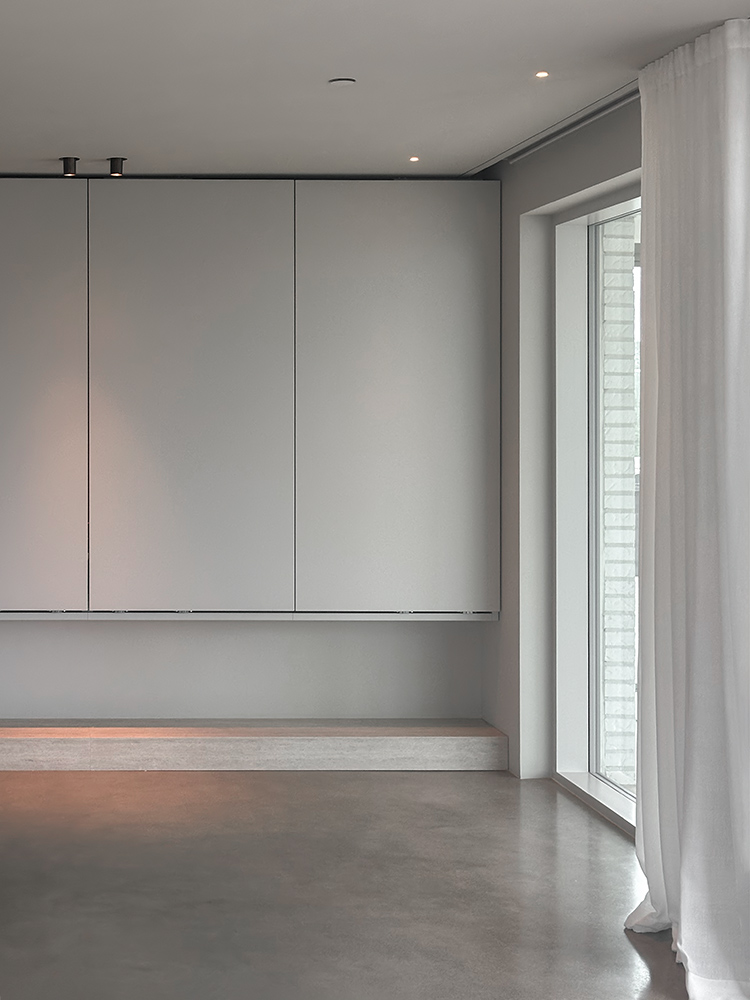
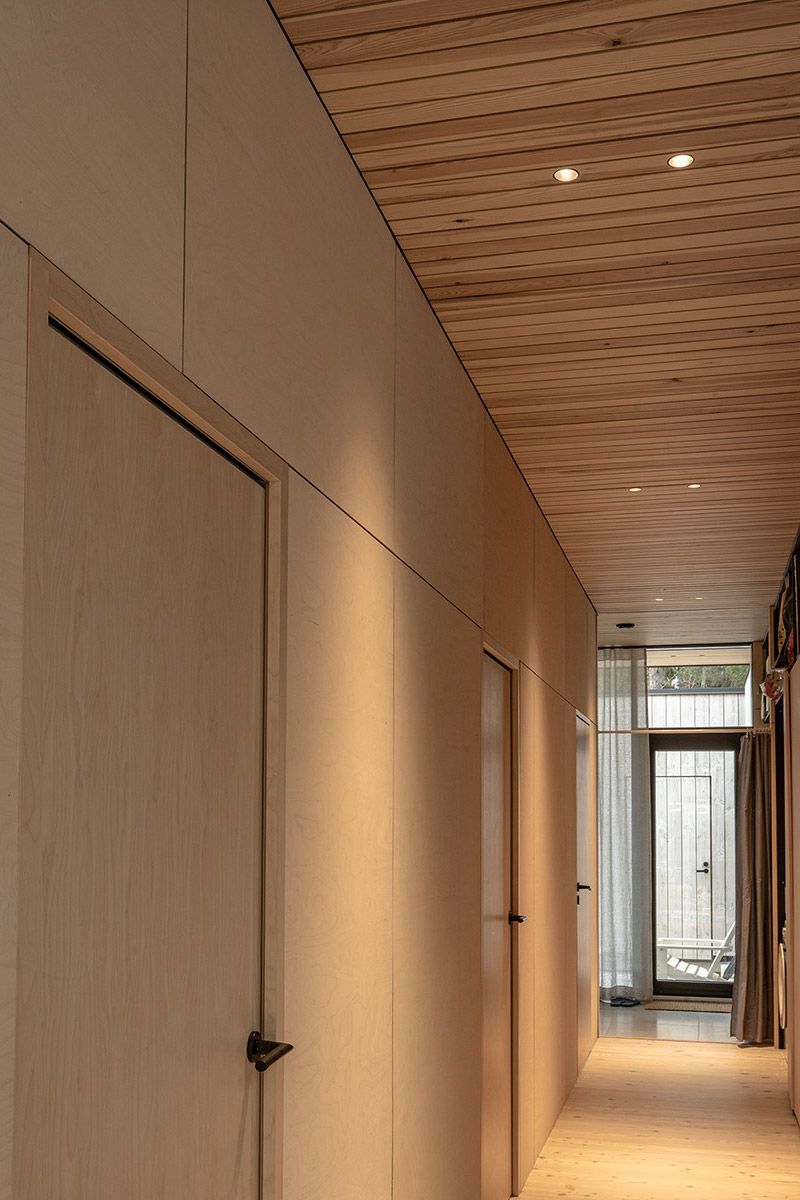
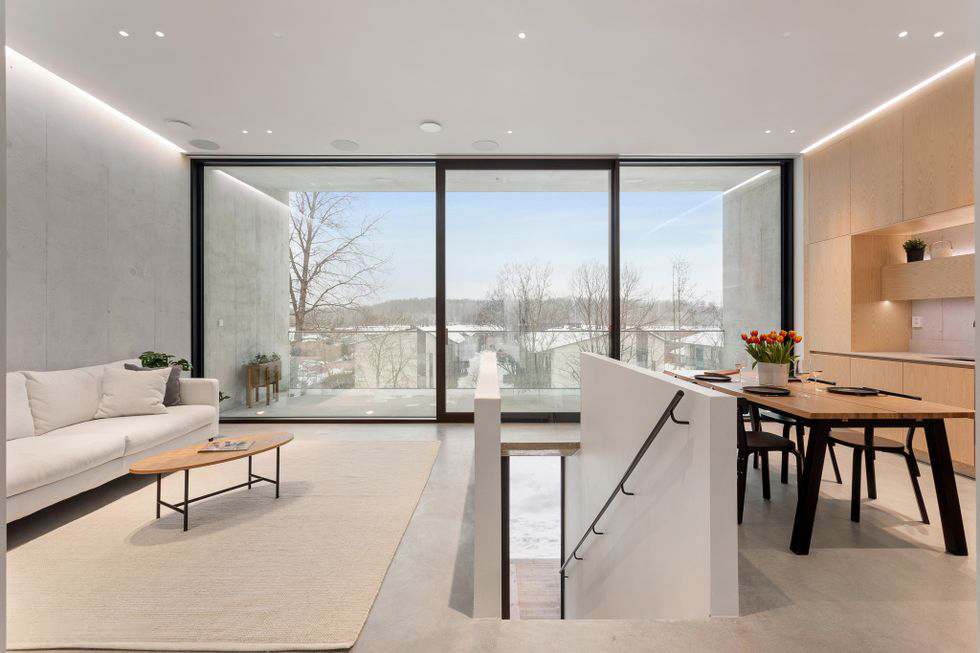
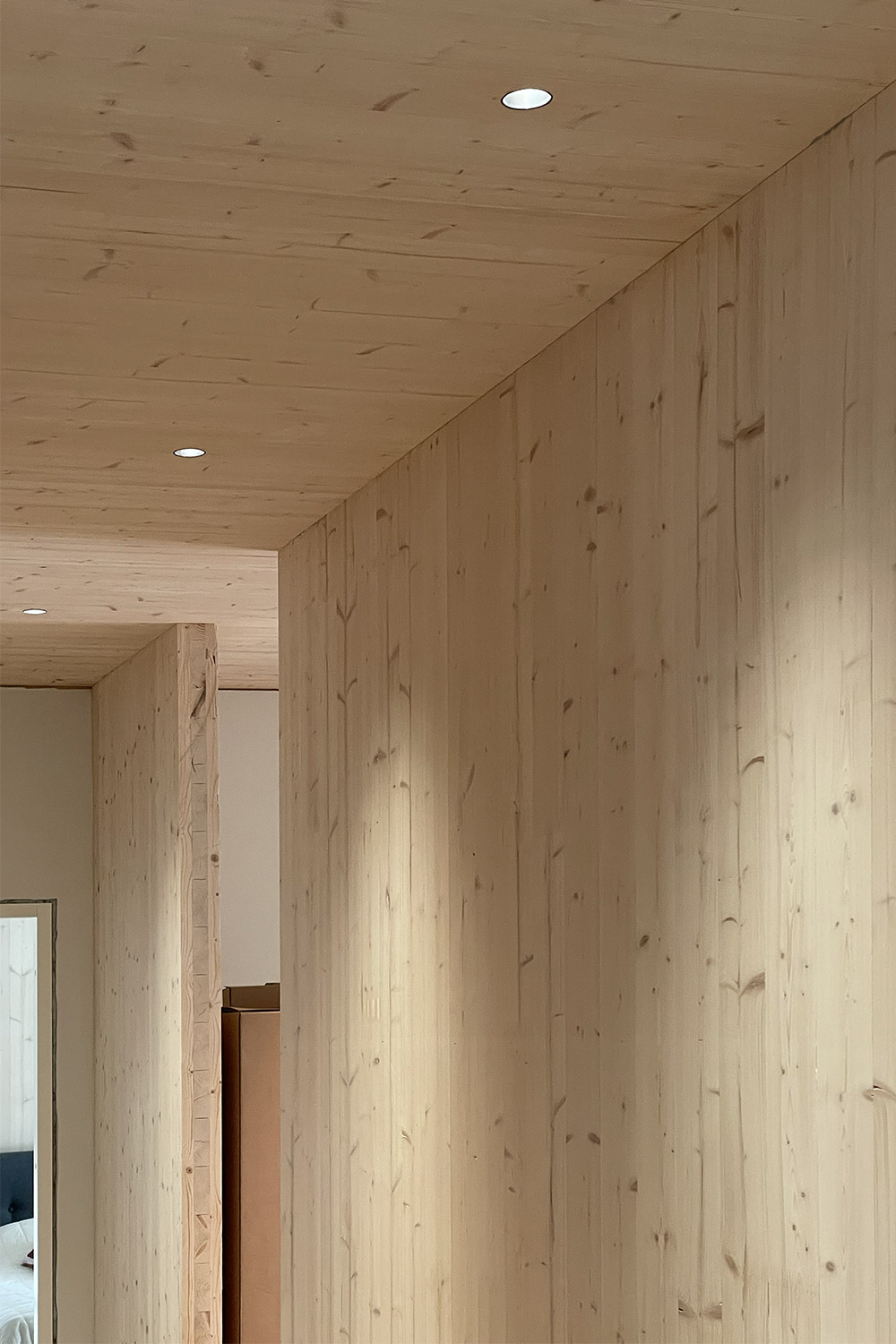
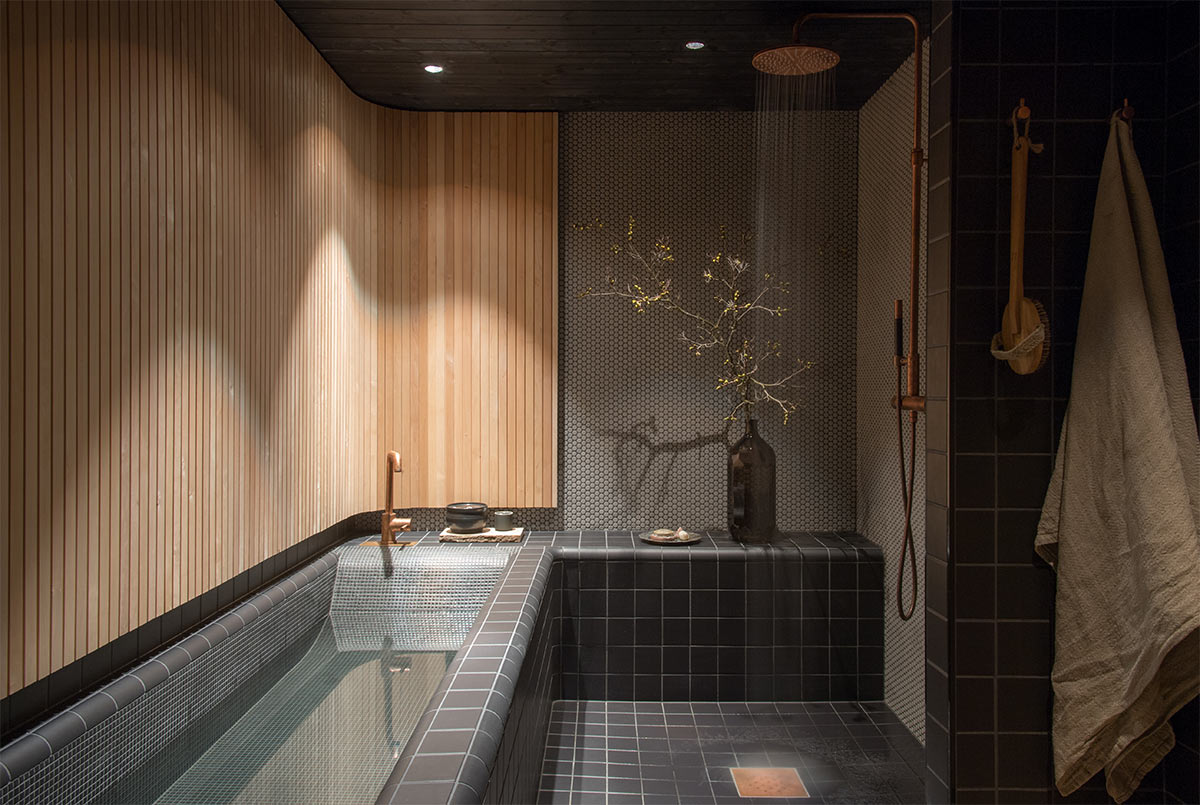
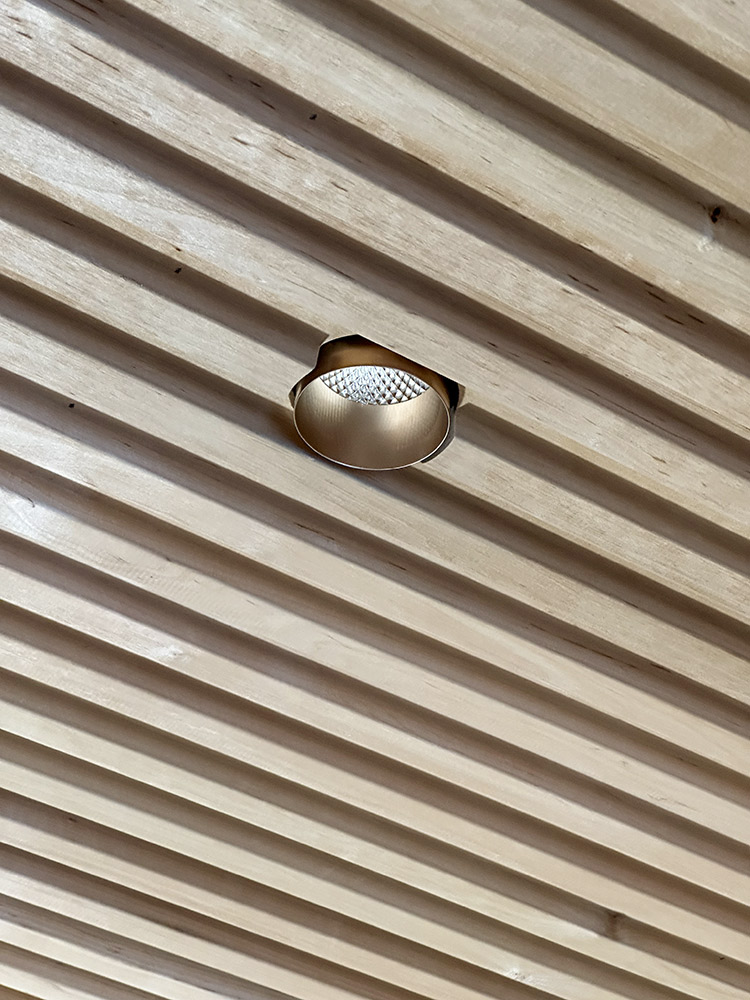
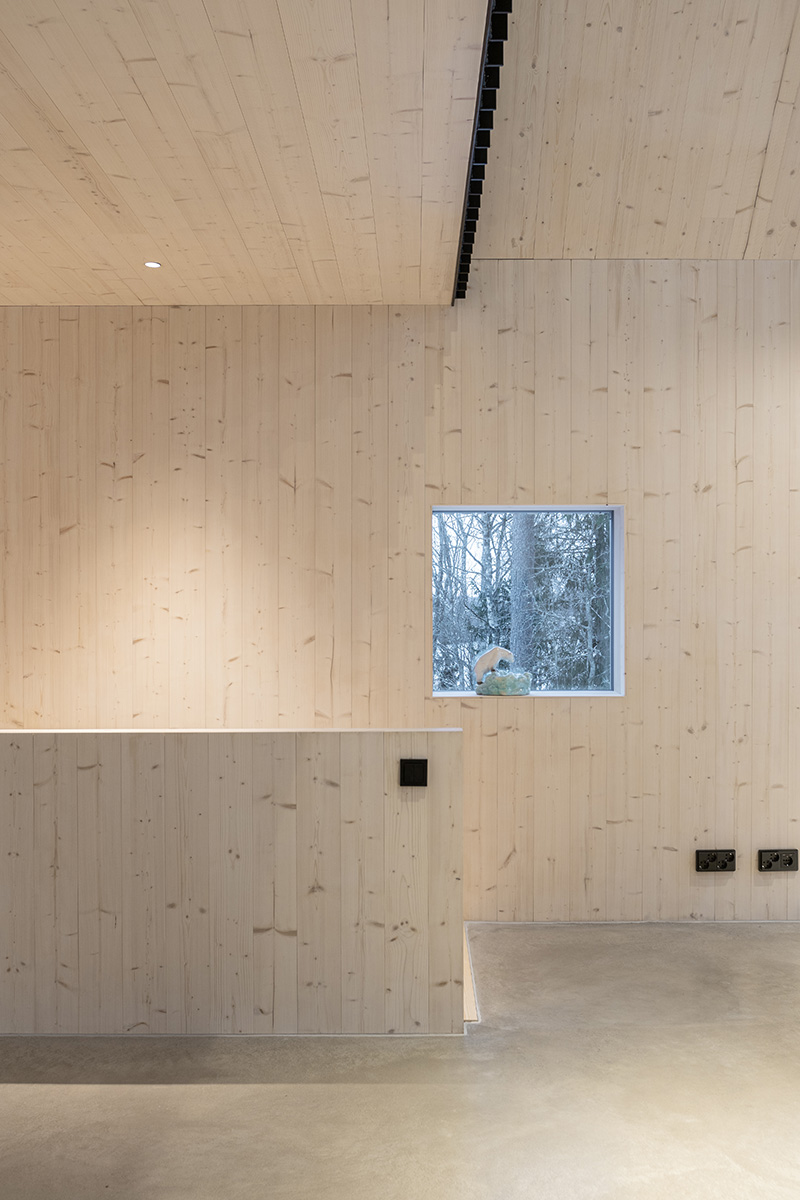
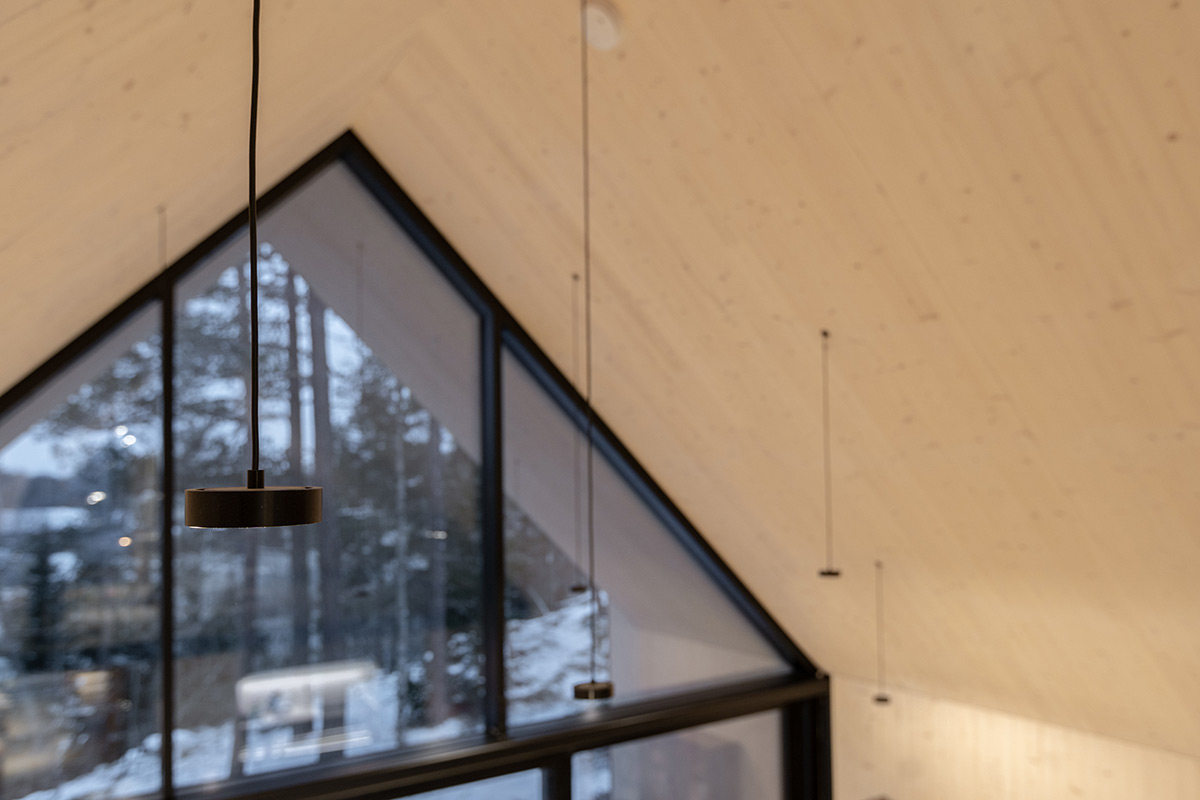
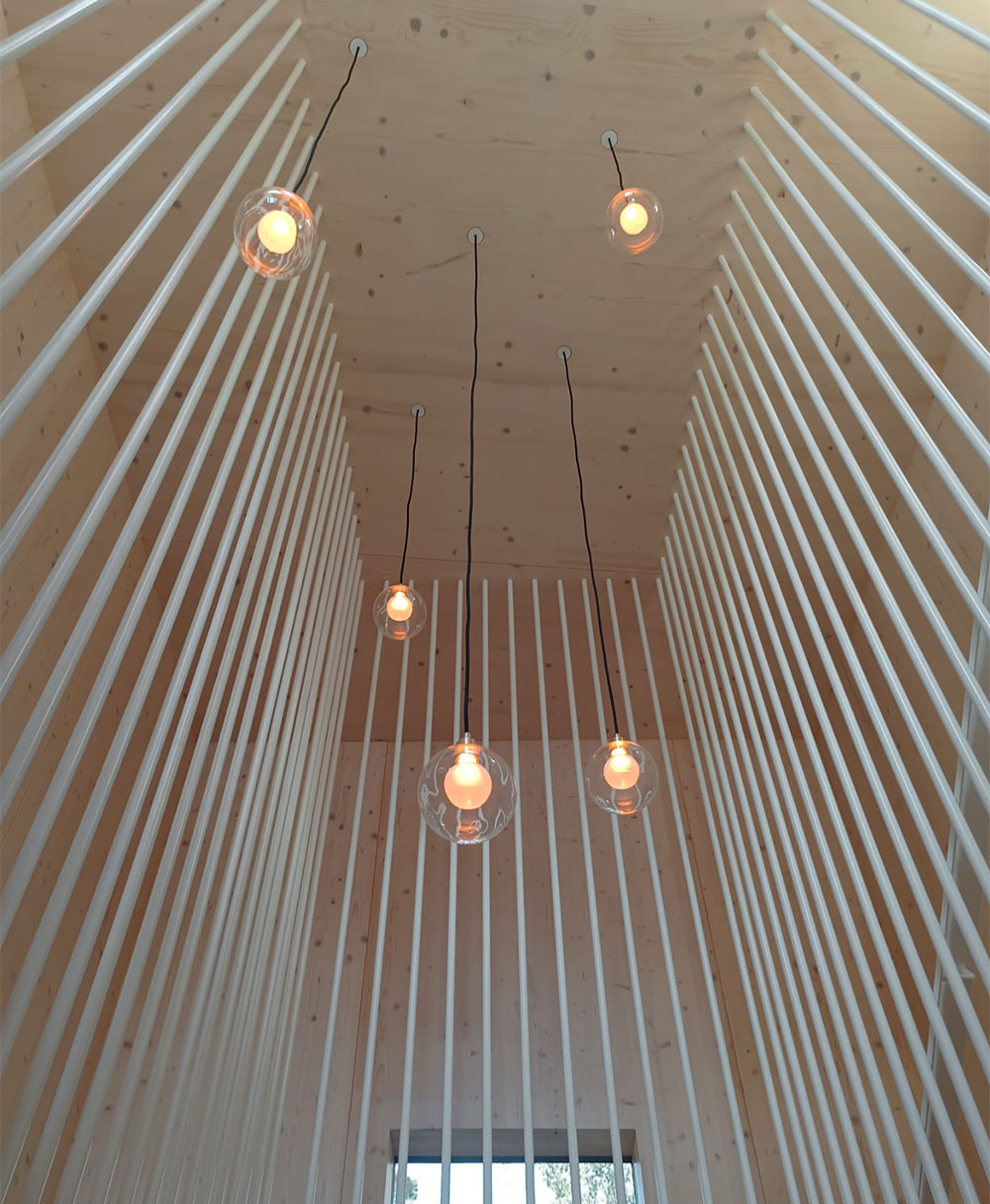
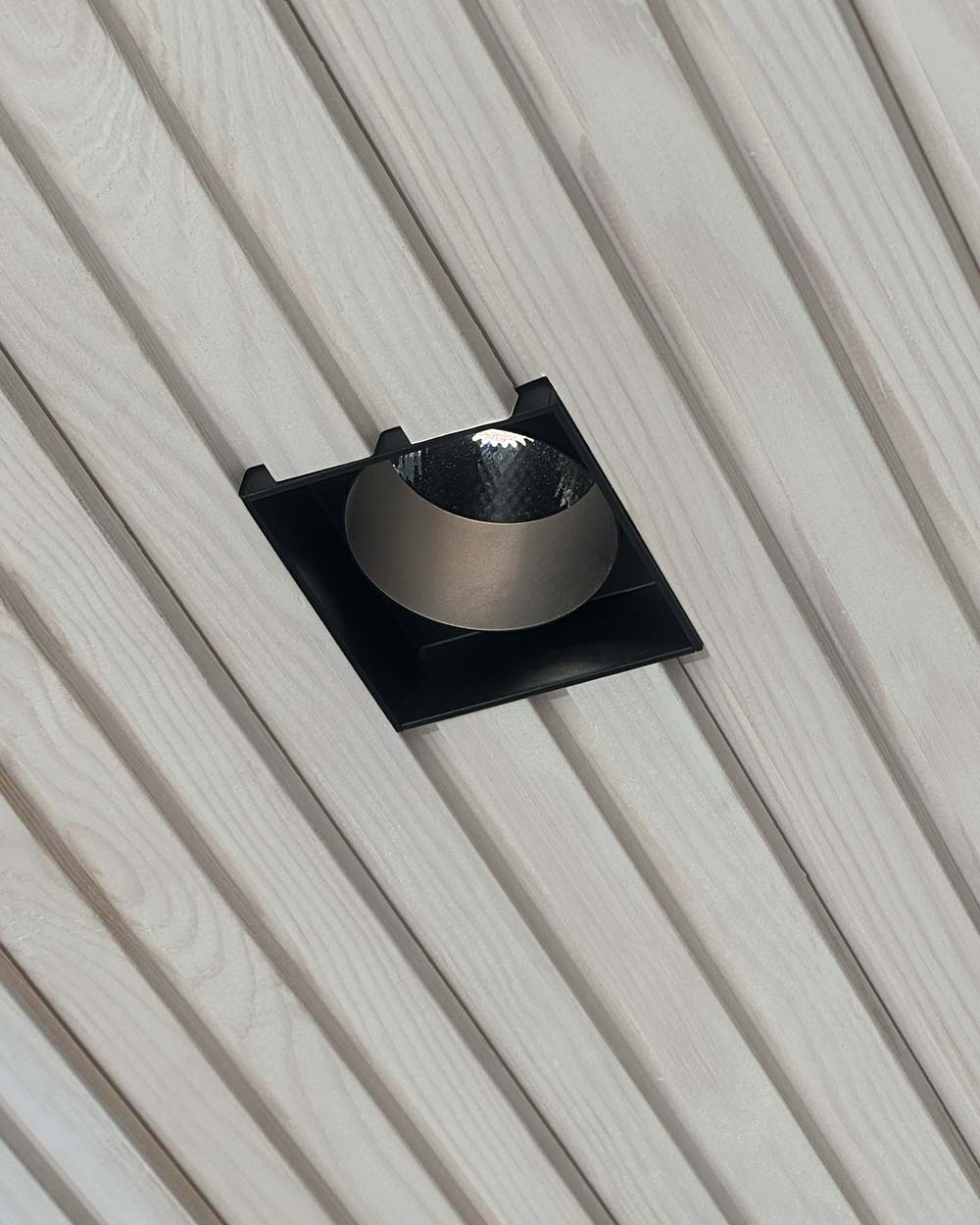
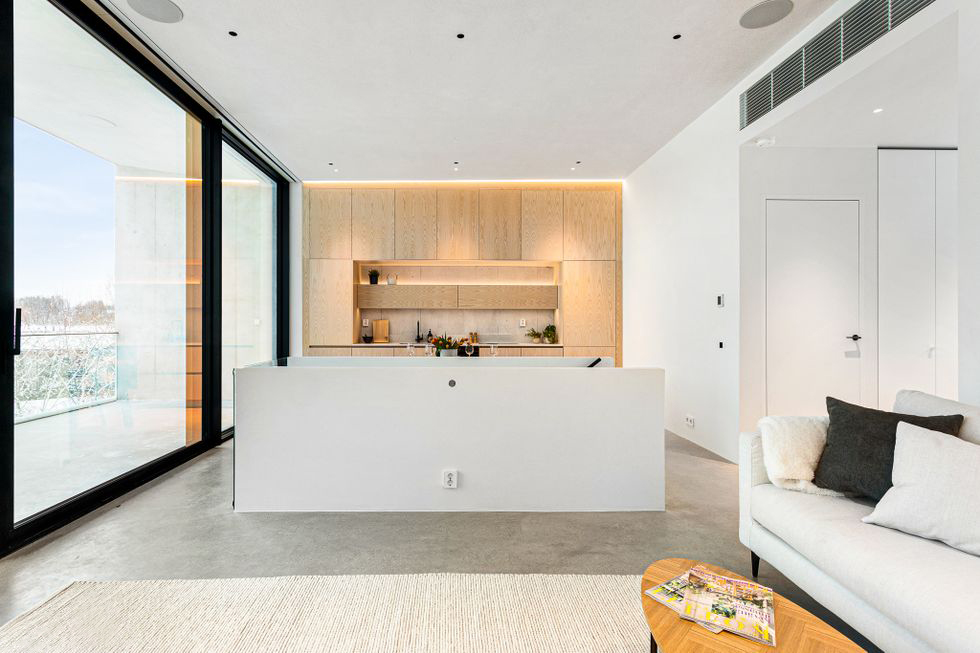
The role of a lighting designer is pivotal, as they are responsible for achieving optimal lighting in a space to support its purpose, architectural aesthetics, and user well-being. A lighting designer does more than select the right fixtures; they combine technical expertise, an eye for aesthetics, and an understanding of functional requirements to create lighting solutions that make a space both comfortable and functional.
Key Responsibilities of a Lighting Designer
The lighting designer’s work begins with a careful analysis of the space’s needs. The purpose of the space dictates the type of lighting required, and the designer considers the users’ needs and the space’s unique characteristics. For example, residential spaces require soft and cozy lighting, whereas office spaces benefit from brighter, focused lighting to support productivity.
The design process continues with the overall planning of light. The lighting designer decides how light sources are positioned within the space and selects appropriate light temperatures and intensities. This ensures that the lighting is not only functional but also visually pleasing. Striking the right balance in lighting creates spatial and atmospheric experiences that align with the purpose of the space and the preferences of its users.
Technical expertise is another core aspect of the lighting designer’s role. They choose the right fixtures and technologies based on the project’s requirements, such as LED lighting for energy efficiency and longevity. At the same time, they take the client’s budget into account, ensuring the chosen solutions align with the project’s constraints.
Modern lighting designers also place significant emphasis on sustainability and energy efficiency. By utilizing energy-saving technologies like LED lights, a designer can reduce energy consumption and minimize environmental impact. Automation systems, such as motion and light sensors, further enhance energy efficiency.
Why is a Lighting Designer Important?
A lighting designer’s role is important on many levels. Well-executed lighting is not just practical; it also influences the mood, comfort, and well-being of the occupants. Lighting can completely transform the character of a space, either supporting or hindering its intended use. For instance, in residential or work environments, lighting can promote relaxation or improve concentration. A skilled lighting designer selects solutions tailored to each situation, using light temperature and intensity to achieve the desired effect.
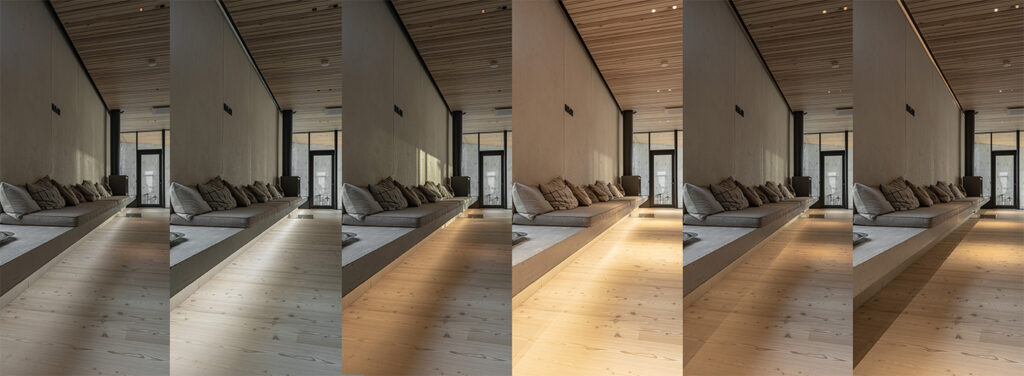
Advancements in lighting technology have greatly expanded the possibilities available to designers. Innovations like Dim to Warm and Tunable White technologies allow lighting to be customized according to the situation and needs. Dim to Warm technology changes the light’s color temperature as brightness decreases, creating a warmer, cozier ambiance. Tunable White, on the other hand, enables dynamic adjustments of light color across a broad spectrum, allowing for changes that align with the time of day or user preferences.
The role of a lighting designer has evolved significantly, extending beyond simple placement and aesthetic considerations. Understanding and applying technology is now integral to the job. A lighting designer must master automation and programming to fully utilize modern lighting solutions. Without automation, a lighting plan remains incomplete, and contemporary fixtures, such as those using Tunable White or Dim to Warm technologies, cannot reach their full potential. Programming allows lighting to adapt to changing needs, whether for relaxation, work, or celebrations. Automation systems enable lighting to be tailored and scheduled for different scenarios and user requirements.
Today, a lighting designer is more than just someone who determines where lights go—they are experts in technology and aesthetics, creating solutions that enhance functionality and atmosphere in a technologically advanced manner. All interior and exterior lighting systems can work within the same automation framework, telling a cohesive story that enhances user experience and improves the space’s functionality.
Automation solutions make lighting more flexible and user-friendly. Programming lights for specific settings—such as relaxation, work, or festive occasions—is only possible with modern automation technologies. These innovations significantly improve the usability and user experience of lighting systems.
A lighting designer can also help avoid costly mistakes and poorly chosen solutions. Their knowledge of lighting technologies enables them to evaluate what works best for a given space and purpose. This ensures the design is both functional and aesthetically pleasing. Careful planning can also improve the building’s energy efficiency and extend the lifespan of lighting fixtures.
Summary
The role of a lighting designer is multifaceted and requires extensive expertise from both technical and aesthetic perspectives. Their task is to seamlessly combine these elements into a cohesive whole that supports the purpose of the space and meets the needs of its users. A lighting designer brings expertise to projects where lighting is not merely about selecting light sources but about creating a carefully considered system that makes the space not only functional but also visually impactful and pleasing.