
Etusivu » lighting designer
Lighting is an essential part of a space’s interior design and functionality. A lighting designer is a professional who helps create the perfect lighting tailored to your needs.
A lighting designer specializes in designing and optimizing lighting for various environments. Their work includes:
There are several benefits to hiring a lighting designer:
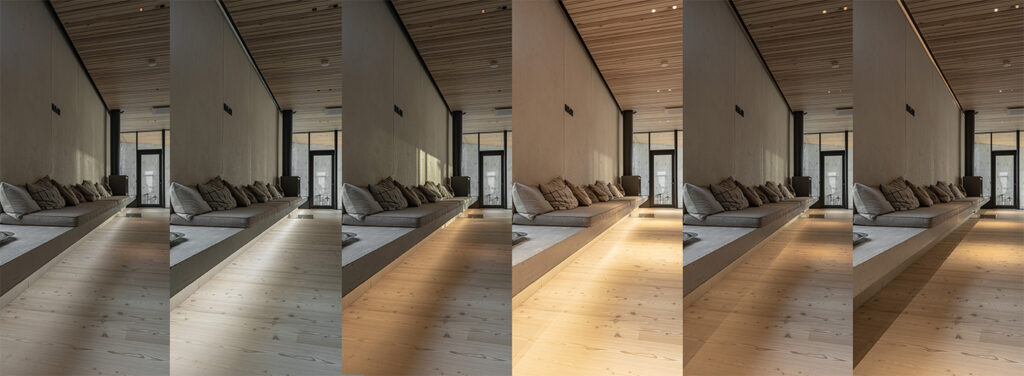
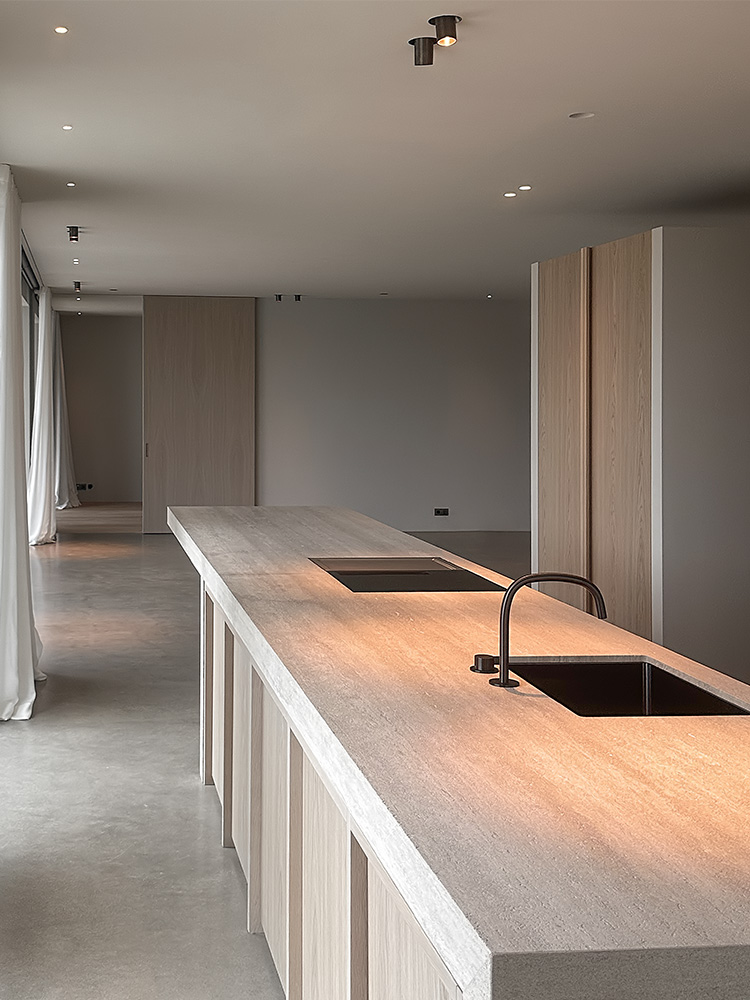
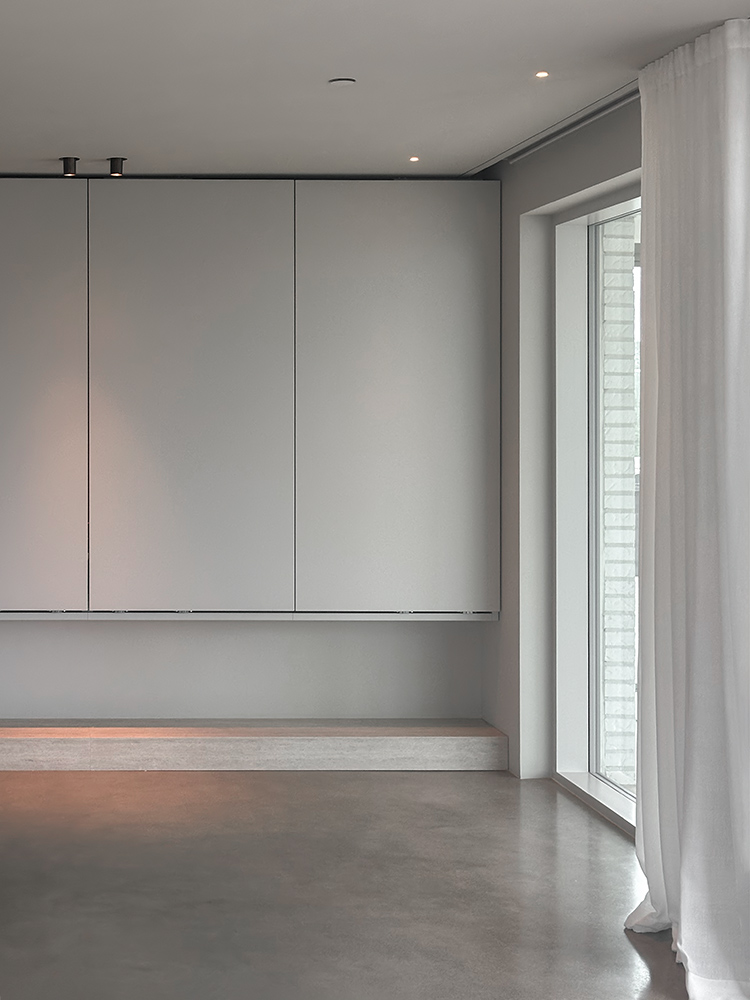
Hiring a lighting designer is an investment that pays off in the form of functional and beautiful lighting. Whether it’s a new home or a renovation, a lighting designer helps create the perfect lighting that enhances your quality of life and the functionality of your home.
Frequently Asked Questions
Answers to the most common questions about what a lighting designer actually does, why the investment pays back, how design differs by room, and when in your project to bring one in.
A lighting designer plans and optimises the lighting for a space — from assessing needs, to producing a detailed lighting plan, to selecting fixtures, to supervising installation on site.
The work starts with understanding the purpose of each space and the client’s preferences. From there, the designer produces a detailed plan covering fixture placement, lighting techniques (general, task, accent, ambient), colour temperature, brightness levels and control logic. They then help select the right fixtures both functionally and aesthetically, and can also coordinate the installation to make sure the finished result matches the plan.
A designer brings both technical expertise and aesthetic judgement that are hard to combine as an amateur — the payoff is a home that looks and feels different from the moment you walk in.
Concrete benefits: professional perspective that catches technical mistakes (glare, over-lighting, wrong colour temperature) before installation; tailored solution matched to your home’s architecture and materials; energy savings through efficient fixtures and correct placement; higher home value because professional lighting is immediately visible to any buyer; and materials shown at their best — good lighting is what makes stone, wood, and textiles look premium instead of flat.
Each room has its own lighting logic — the designer’s job is to layer general, task and ambient light in the right proportions for each activity.
Living room: layered lighting combining general, task and ambient light for flexibility across day/evening use. Kitchen: bright, non-glaring work-surface light plus warmer ambient for the dining zone. Bedroom: calming, dimmable, warm sources that support winding down and sleep. Bathroom: safe, functional light around the mirror and shower, with the right colour rendering for skin. Home office: focused task light that reduces eye strain during long screen hours.
Yes — a well-designed lighting scheme uses less energy, lasts longer, and measurably raises a home’s perceived quality (and often its resale price).
Energy savings come from three sources: correct fixture selection (efficient LEDs vs. legacy sources), correct placement (no wasted light), and smart control (dimming, scheduling, occupancy sensing). Value uplift comes from something more subjective but very real: homes with professional lighting feel expensive. Buyers and guests notice, even when they can’t articulate why.
As early as possible — ideally during the architectural design phase, before electrical drawings are finalised.
When the lighting designer joins early, fixture positions, cabling, driver locations, and control logic can all be planned together with the architect and electrician. Late involvement means retrofitting into a design that is already committed — extra costs, visible compromises, and often features that simply can’t be added anymore (like recessed frameless installations or integrated cabinet lighting). Whether it’s a new home or a renovation, earlier is always cheaper and better-looking.
Otherwise plans, designs, and supervises lighting for homes, offices and public spaces across Finland — from the first concept sketch to the final commissioning on site.