
Etusivu » wireless lighting control
Wireless lighting control
Wireless lighting control is a modern and convenient solution for managing the lighting in your home or other spaces. It allows you to control the lights without traditional switches or wires, making installation and use easier and more flexible. Wireless lighting control often utilizes Casambi technology, enabling lights to be adjusted via mobile apps, remote controls, or smart home systems.
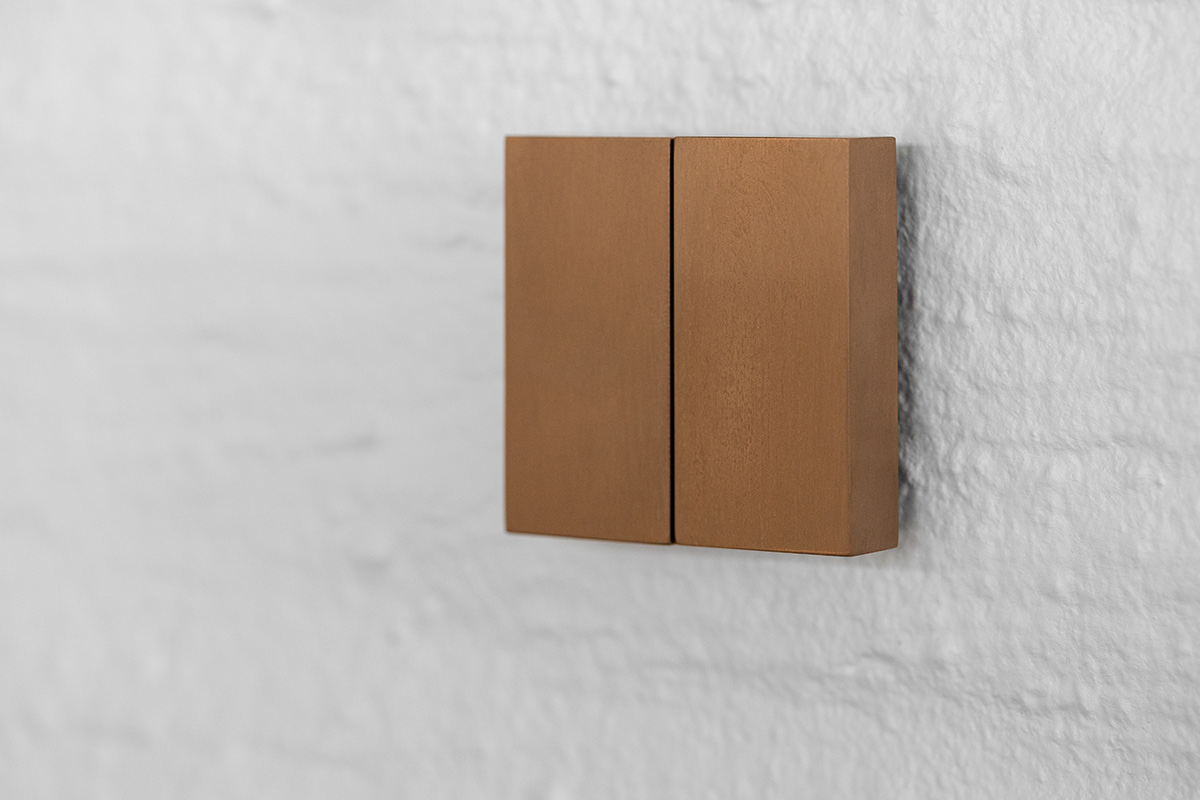
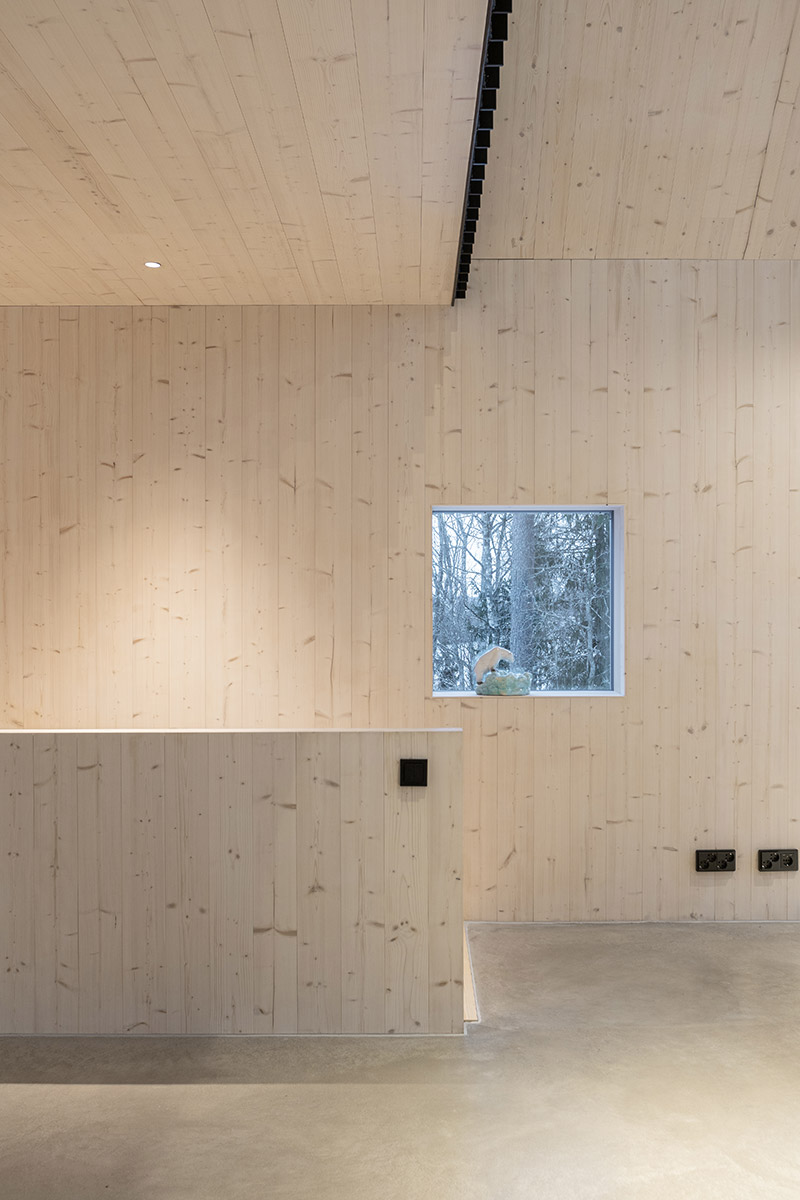
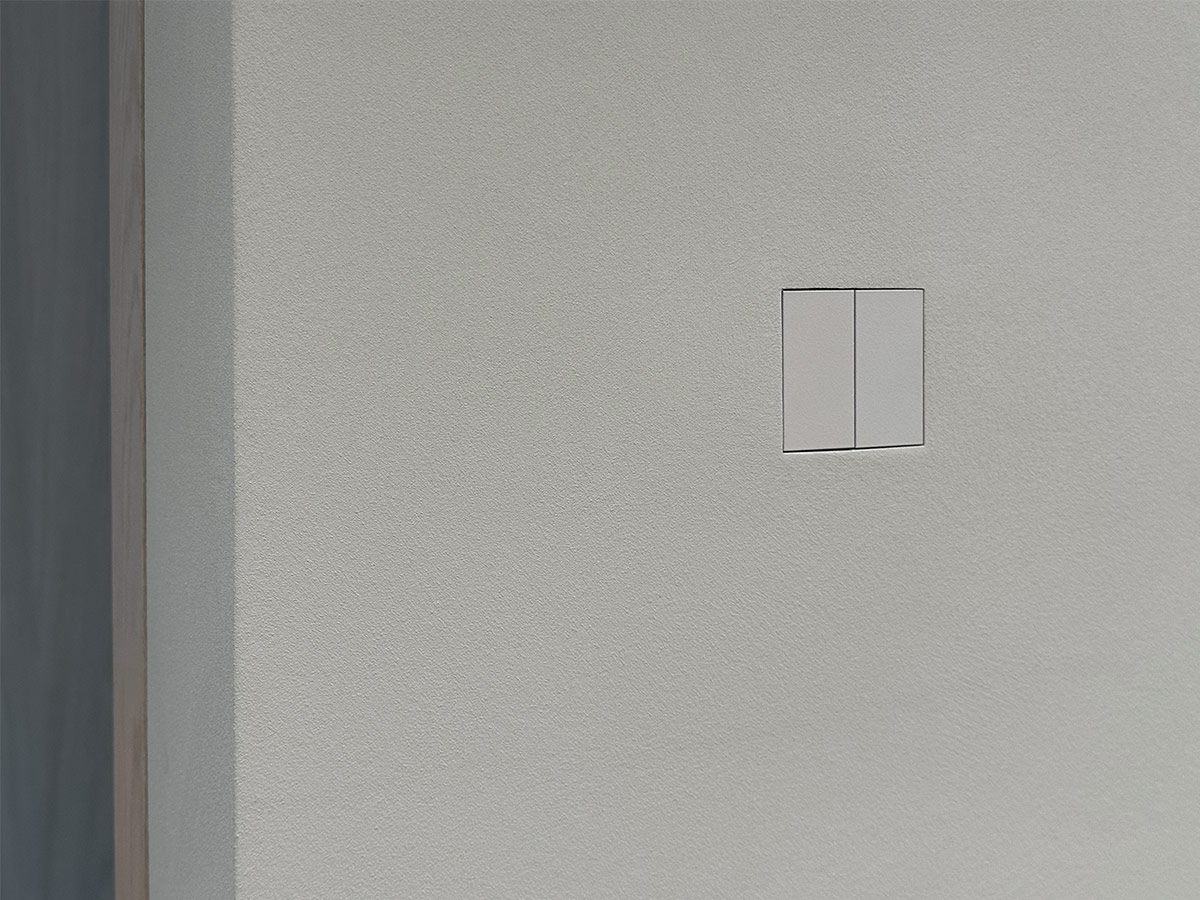
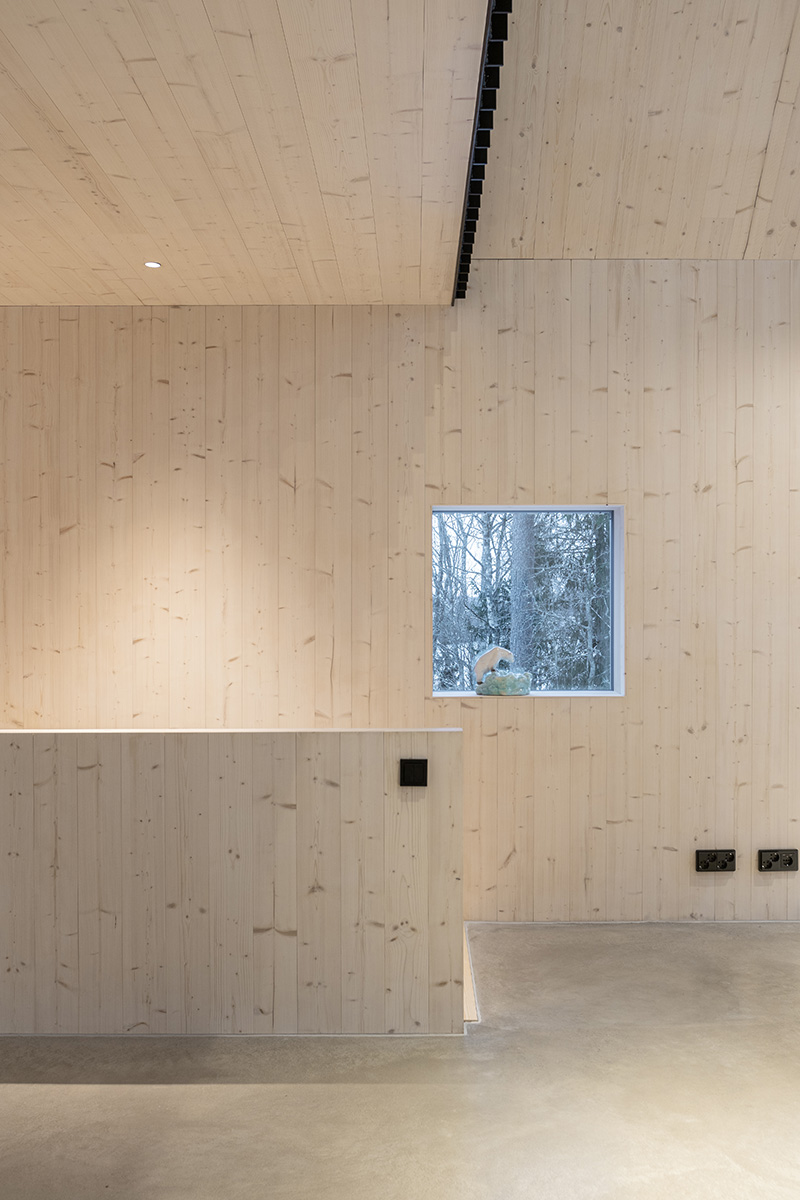
Additionally, Otherwise wireless switches offer flexible installation options. These switches can be integrated flush with wall materials, blending seamlessly into the décor. Alternatively, they can be integrated into furniture or installed as traditional surface-mounted switches. The surface material and switch color can be selected to match the walls or furniture, creating a cohesive and stylish appearance.
Wireless lighting control makes your home or other spaces smarter, safer, and more energy-efficient. It’s an excellent choice for those who wish to modernize their lighting systems without major renovations.
- Easy installation: The wireless system can be installed without opening walls or running extra wires, saving time and money. Additionally, eliminating traditional wiring for controllers leads to significant savings, as multiple days of electrical work become unnecessary.
- Flexibility: Lighting fixtures can be placed anywhere and controlled from a centralized location, such as a smartphone.
- Energy efficiency: Wireless control systems allow you to optimize lighting usage and reduce energy consumption through features like timers and motion sensors.
- Convenience and automation: Lighting control can be integrated with other Smart home systems, allowing lights to turn on automatically when you arrive home or dim in the evening to create a calming ambiance. You can also take advantage of the system’s features in daily cycles, where the lighting adapts to natural light, wake-up lights that simulate sunrise to gently wake you up, and various moods created by adjusting the brightness and colors to suit the situation. Wireless lighting control makes your home or other spaces smarter, safer, and more energy-efficient. It’s an excellent choice for those who wish to modernize their lighting systems without major renovations.
- The importance of design: It’s crucial to involve the lighting automation designer early in the construction project as part of the planning team. This ensures that the system is optimized from the beginning to meet the space’s needs, maximizing the functionality and savings of the control devices.

Frequently Asked Questions
Wireless lighting control — everything you need to know
Answers to the most common questions about how wireless lighting control works, its advantages over wired switches, Otherwise switch installation options, and why the automation designer should join your project team early.
-
01What is wireless lighting control and how does it work?+
Wireless lighting control replaces traditional switches and control cables with wireless communication — most commonly Casambi’s Bluetooth Mesh — letting you dim, group and schedule lights from a phone, remote or wireless wall switch.
Instead of running dedicated control wires from each switch to each fixture, every Casambi-enabled light acts as its own smart node. You control them from the free Casambi app, from wireless battery-free wall switches, or from an integrated home-automation system. The result is the same functionality as a fully wired dimmer/scene system — without any of the wiring.
-
02How is wireless lighting control different from traditional switch systems?+
The biggest differences: no wall-opening required, fixtures can be relocated later without rewiring, and scenes/schedules are software-configured rather than hard-wired.
A traditional switch controls a fixed group at a fixed brightness — changing the layout means new cabling. With wireless control, you can redefine what any switch does in seconds, add motion or daylight sensors without rewiring, and combine multiple fixture groups into unlimited scenes. This is why wireless control has become the default choice for renovations and modern new builds alike.
-
03What installation options are available for Otherwise wireless switches?+
Otherwise wireless switches can be installed flush with the wall surface, integrated into furniture, or mounted as traditional surface-mount switches — with materials and colours matched to the space.
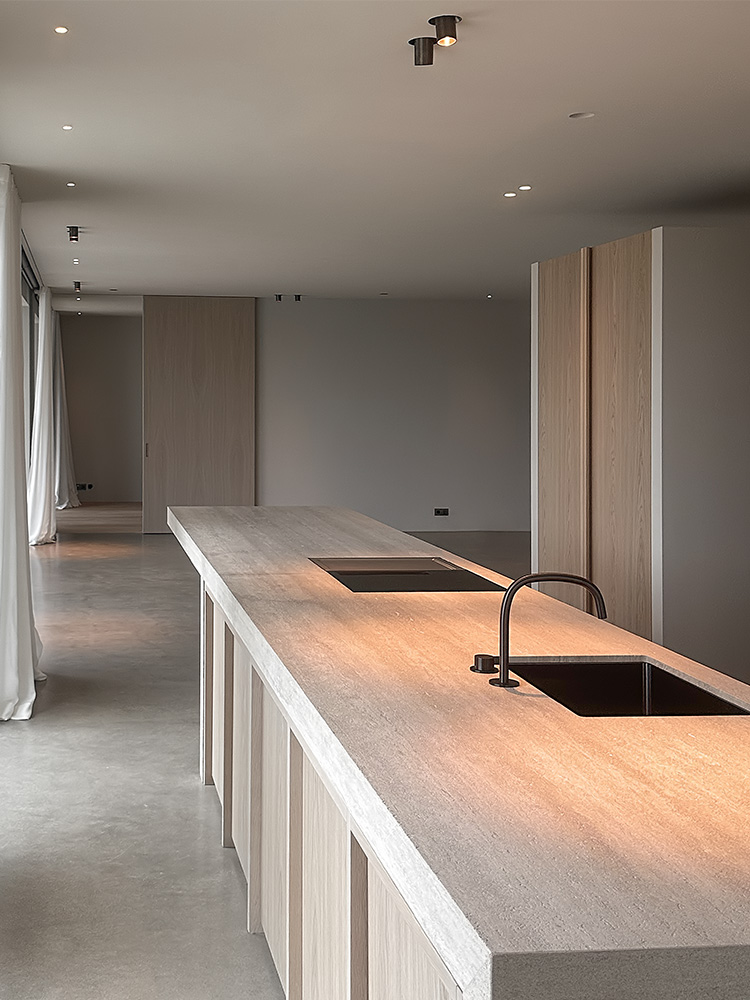
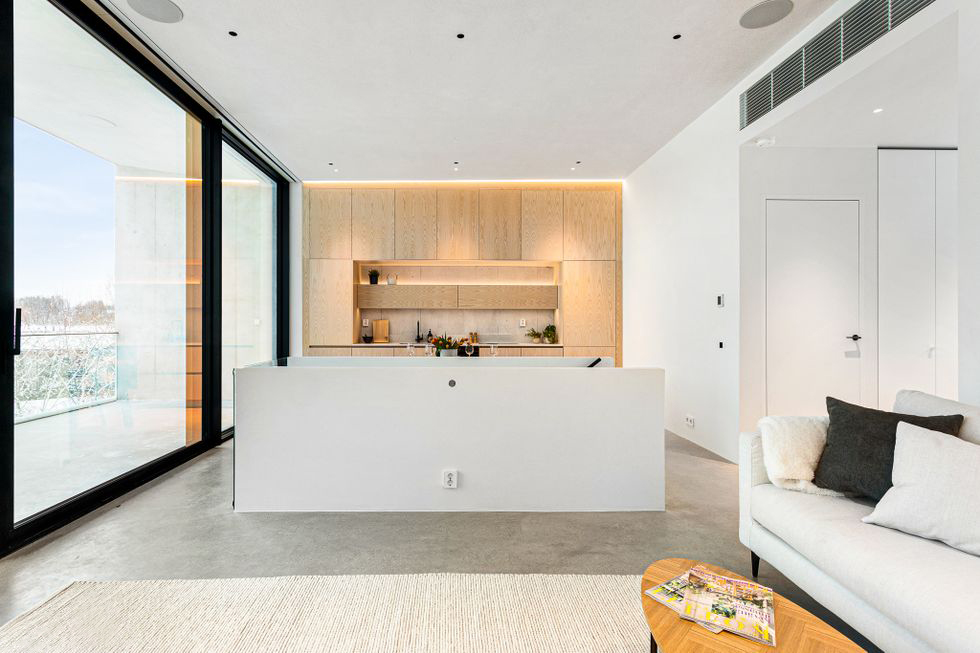
Because the switches are battery-free and wireless, they aren’t constrained by an electrical box location. We can place them exactly where the user wants them — on a kitchen island, next to the bed, at a workstation — and finish them in materials that blend into wood, stone, plaster or laminated surfaces. The switch effectively disappears into the architecture.
-
04Can wireless lighting control save energy and integrate with smart-home systems?+
Yes — timers, motion sensors, daylight-based dimming and integration with wider home automation deliver measurable energy savings and true one-tap convenience.
Typical automations we set up: lights come on gently as you arrive home, dim automatically in the evening for a calm ambience, follow a circadian cycle that matches natural daylight, simulate a sunrise for gentle wake-up, and switch off (or drop to a very low level) when no motion is detected. The system integrates cleanly with broader smart-home platforms so lighting works alongside blinds, HVAC or security.
-
05Why should the lighting automation designer be involved early in the project?+
Bringing the lighting automation designer into the planning team from the start is the single biggest factor in how well the finished system works — and how much money it saves.
When automation is planned late, choices are already locked (fixture positions, driver types, switch counts) and the design has to work around them. When the automation designer is part of the team from concept phase, the whole electrical, lighting and control architecture is optimised together: fewer components, fewer redundant cables, cleaner user experience, better energy performance. It’s the difference between a system that works and a system that disappears into everyday life.
Ready to design a wireless lighting system?
Otherwise plans and installs Casambi-based wireless lighting control for homes, offices and public spaces — with switches, scenes and automation designed as one unified system.