10 Tips for Perfect Home Lighting

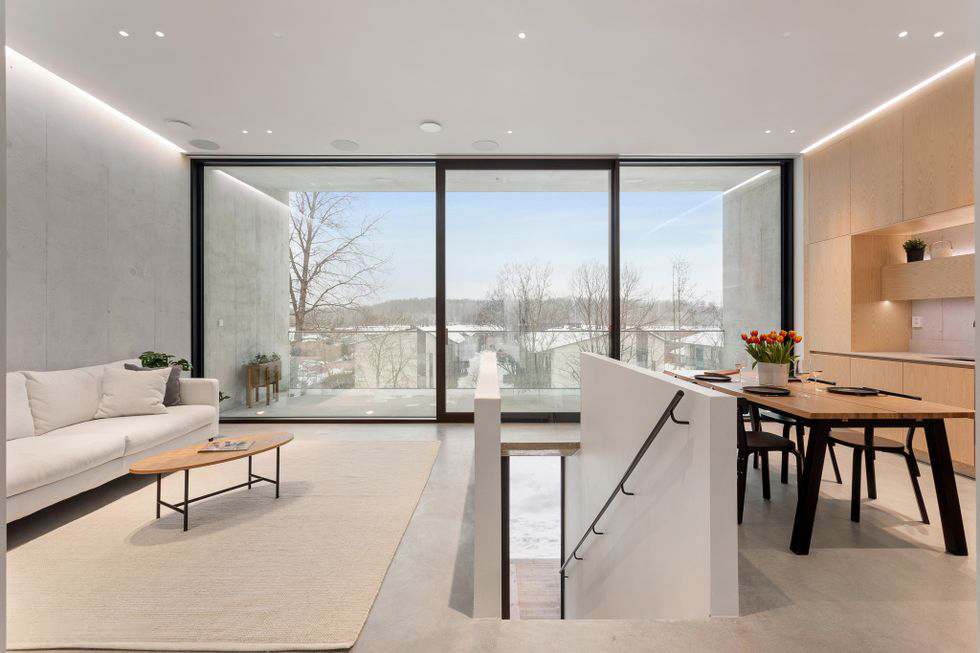
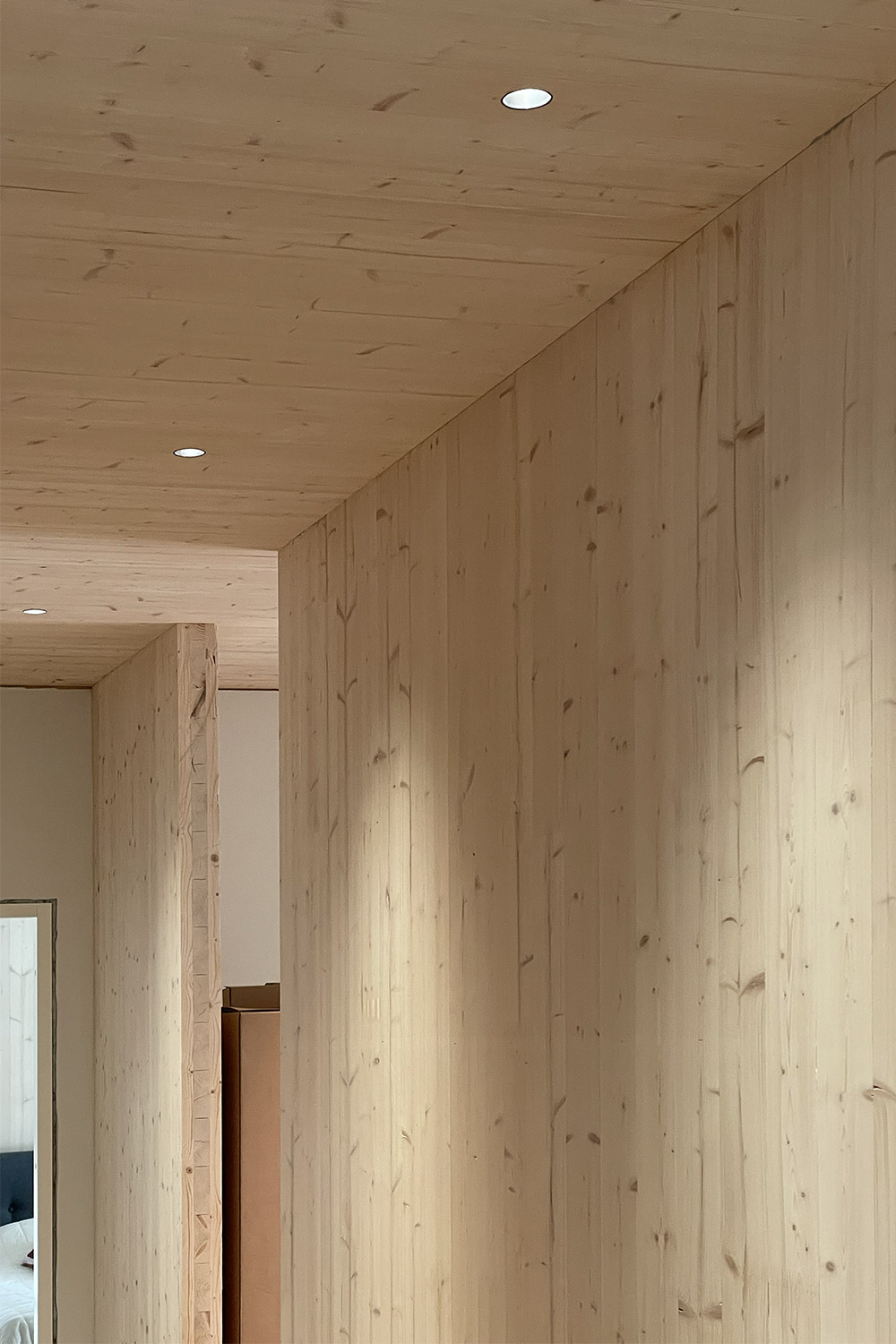
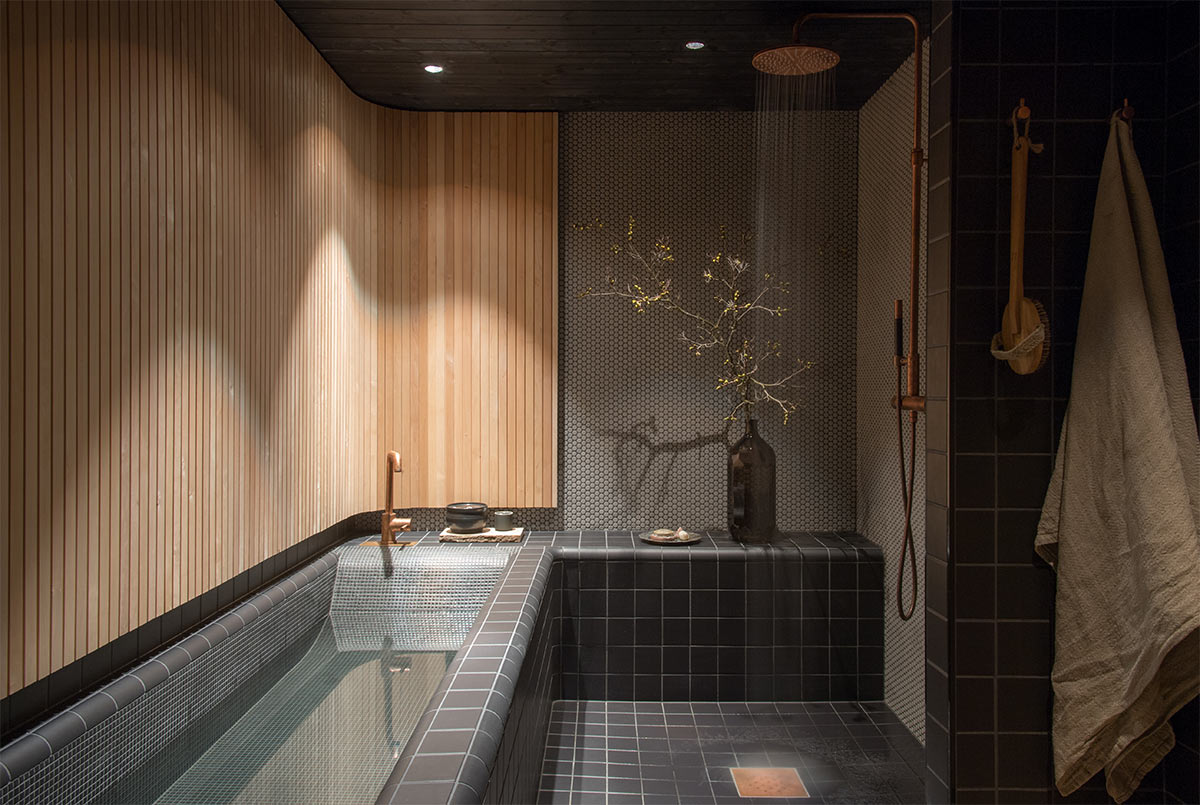
A well-designed lighting plan can completely transform the atmosphere and functionality of a home. Lighting is not just about providing illumination; it also creates coziness, highlights decor, and supports various activities. Here are ten tips to help you create perfect lighting in your home.

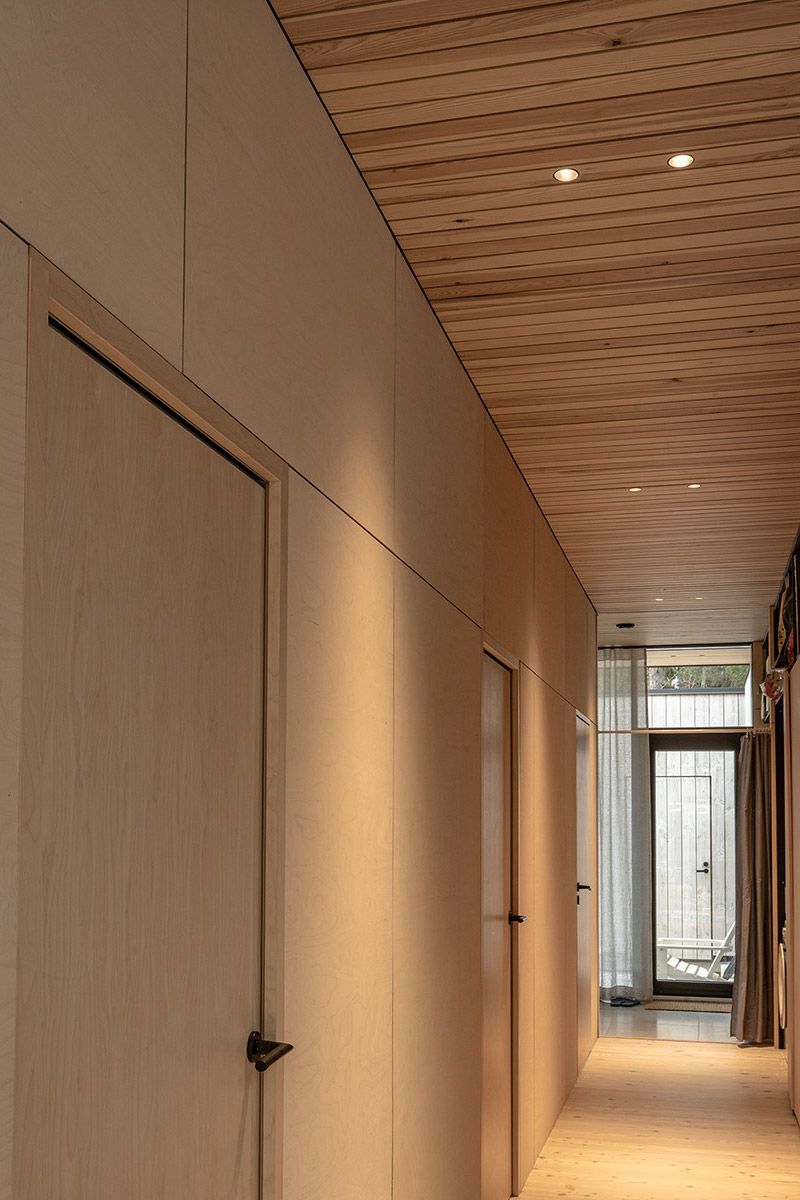
1. Plan lighting based on needs

The foundation of good lighting lies in the intended use of different spaces. Consider where bright task lighting is needed, such as in the kitchen and office, and where more ambient lighting is appropriate, like in the living room and bedroom.

2. Layered lighting

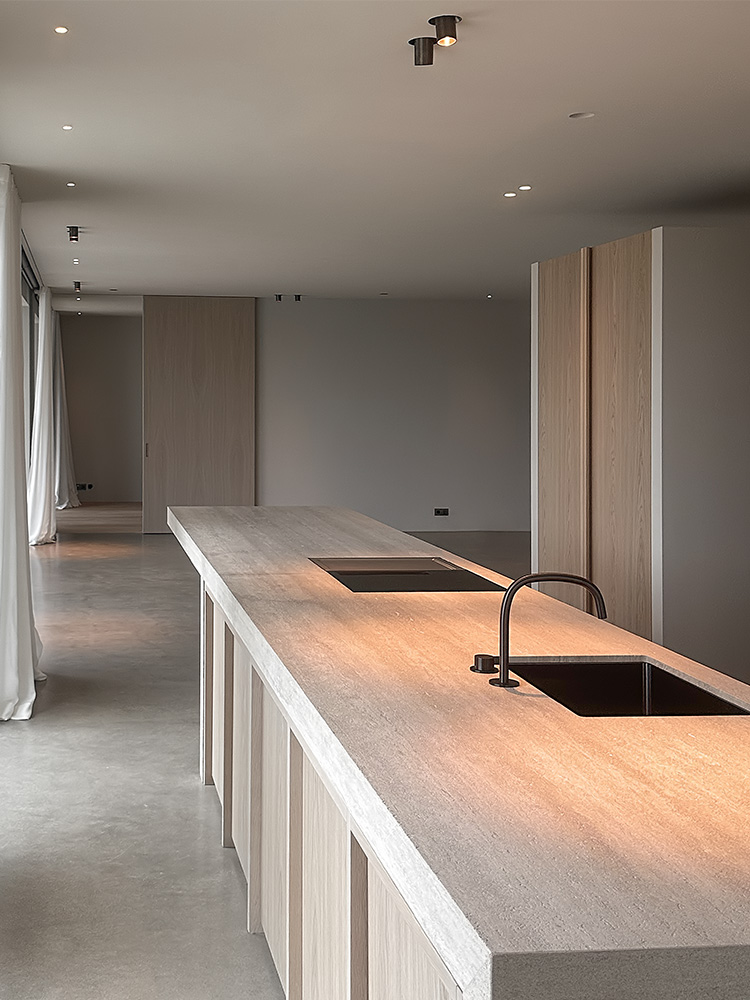
Incorporate different types of lighting within the same space: general lighting, accent lighting, and mood lighting. Layered lighting provides flexibility and allows you to adjust the illumination according to the situation.

3. Highlight architectural details

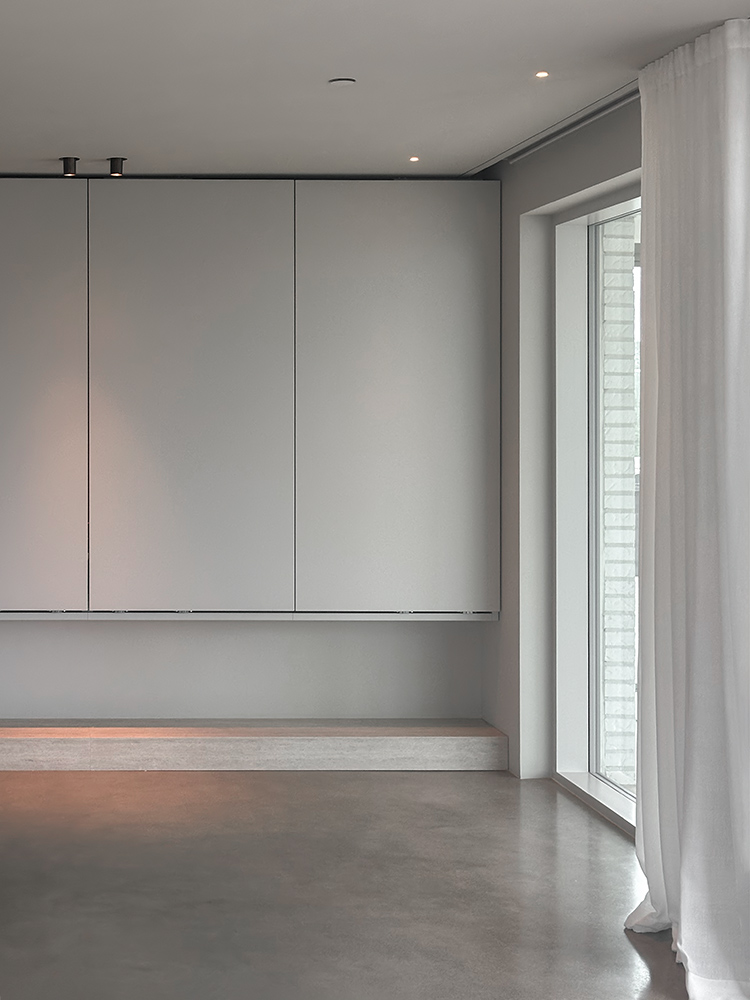
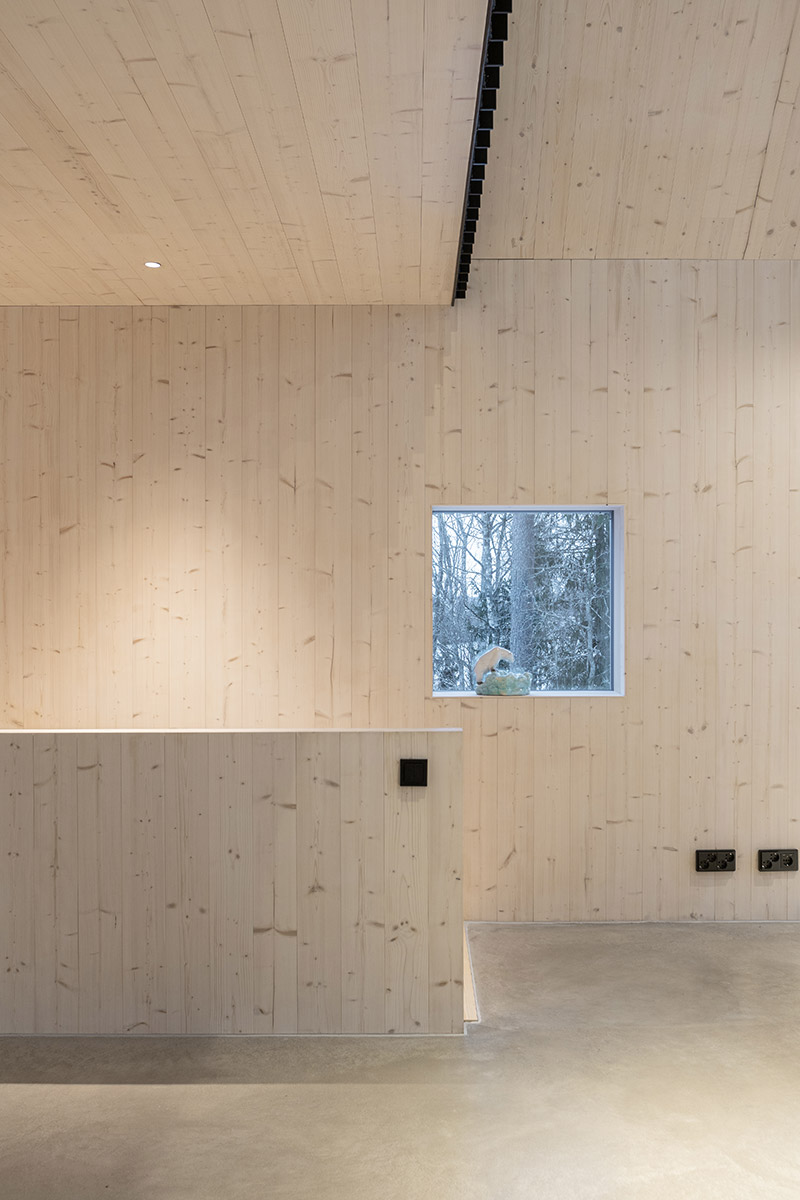
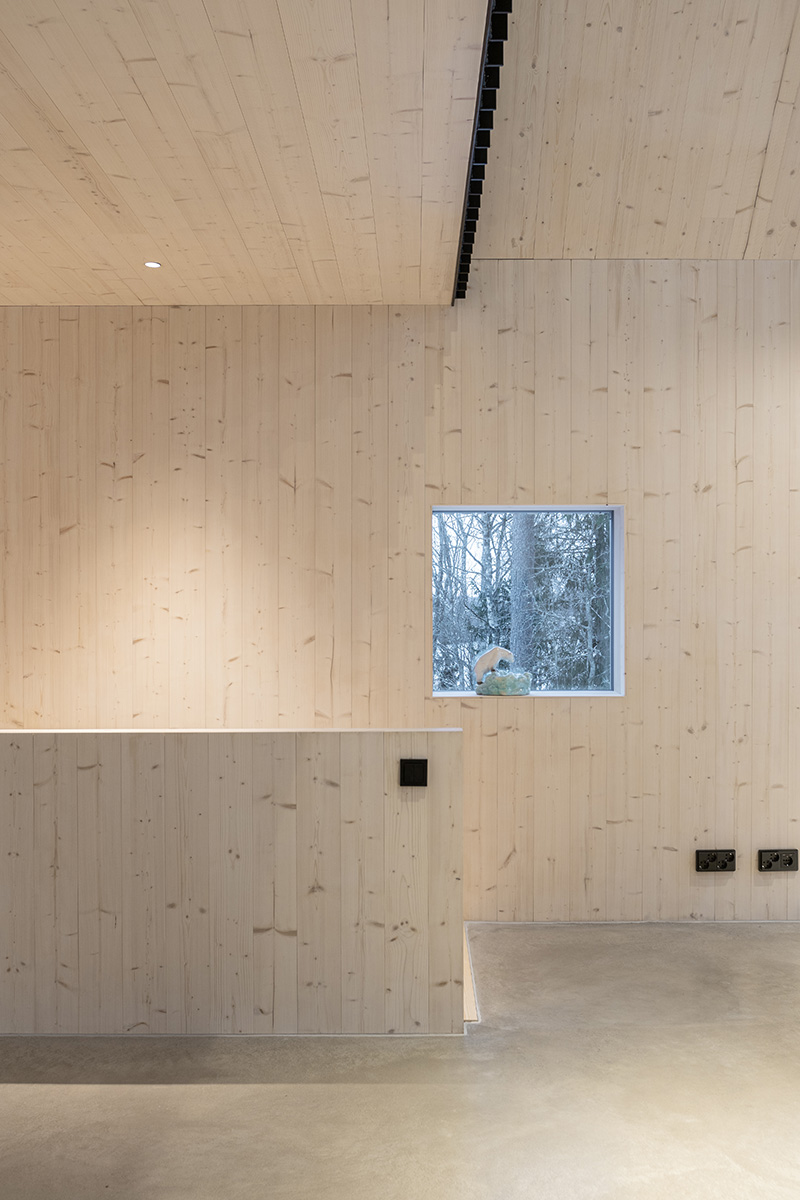
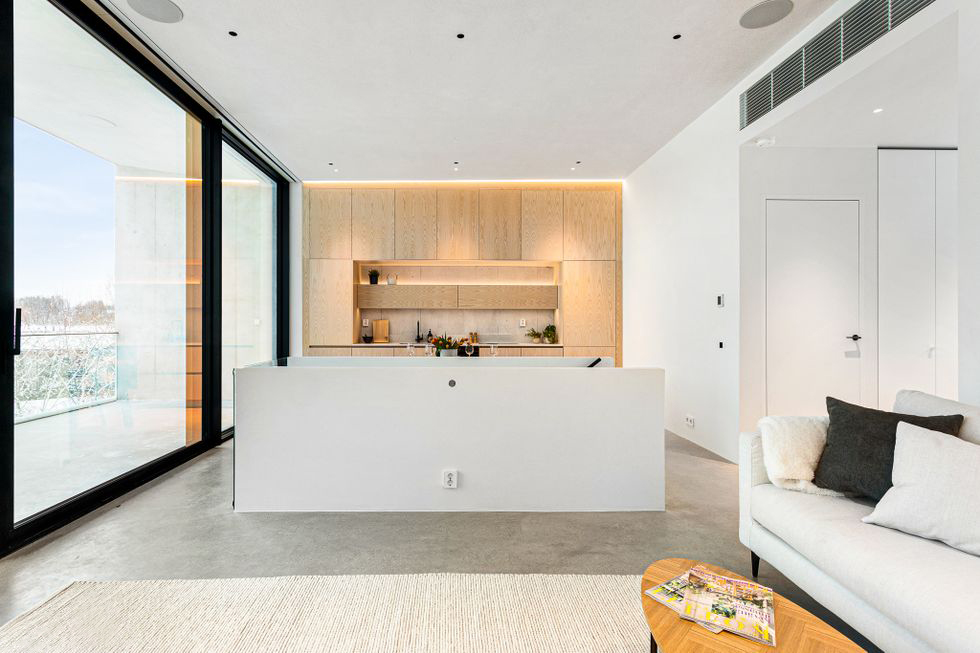
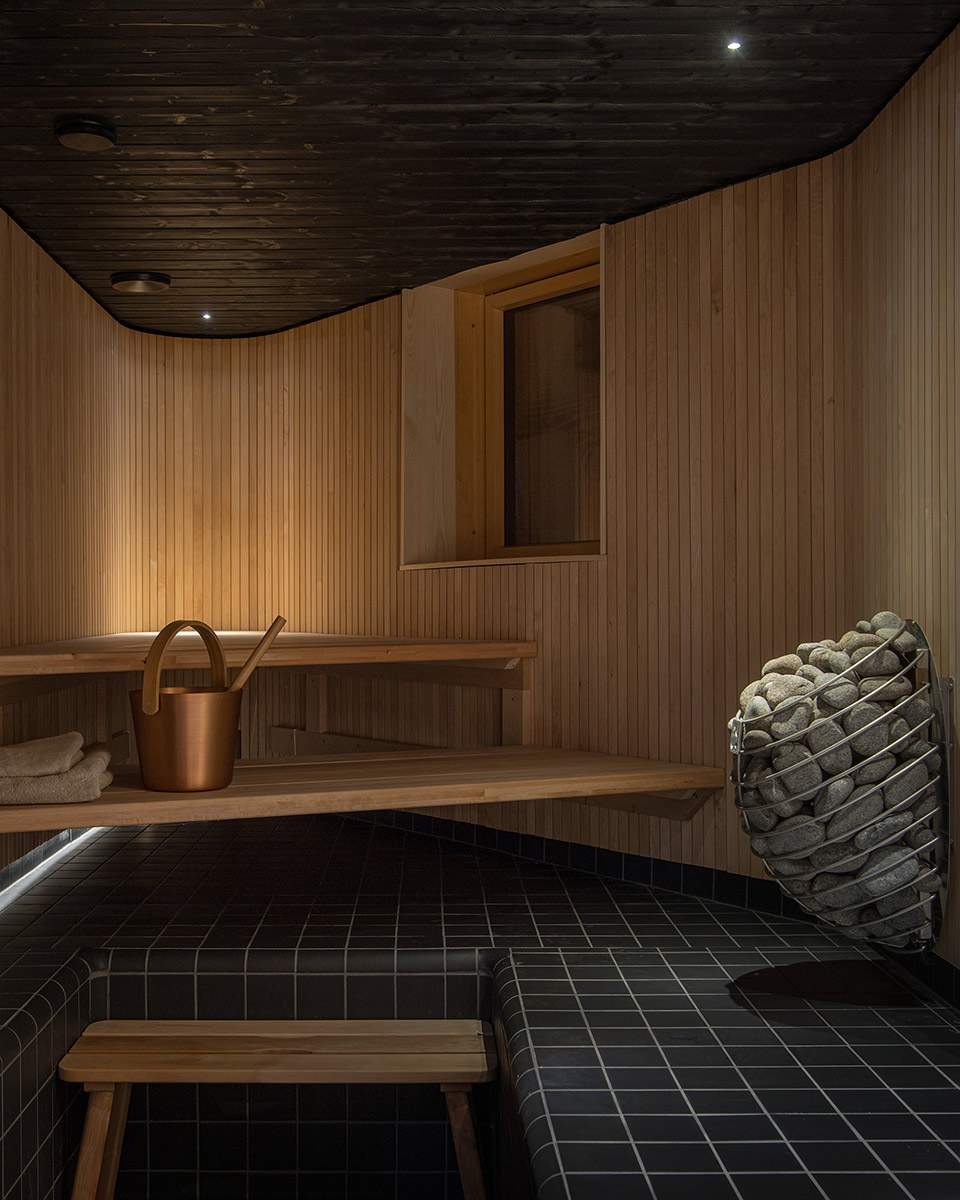
Decorative lighting can emphasize unique features of the home, such as beautiful wall surfaces, art, or furniture. LED strips and spotlights are excellent for this purpose.

4. Adjustable light: Dim to warm and tunable white

Modern lighting should allow the adjustment of light temperature from the same source. “Dim to Warm” technology enables light to become warmer as it is dimmed, creating a cozy atmosphere. “Tunable White” solutions let you adjust the color temperature as needed – cooler for working, warmer for relaxing. Dimming alone is no longer enough – automation plays a key role in this development. With automation, you can program different lighting scenes that add a touch of luxury to daily life.

5. Choose the right color temperatures

Different spaces require different color temperatures. Cool tones (4000–5000 K) are ideal for workspaces, while warm tones (1800–3000 K) create a relaxing atmosphere.

6. Utilize natural light

Design artificial lighting to complement natural light. Use daylight sensors that adjust the lighting intensity based on the amount of external light.

7. Focus on energy efficiency

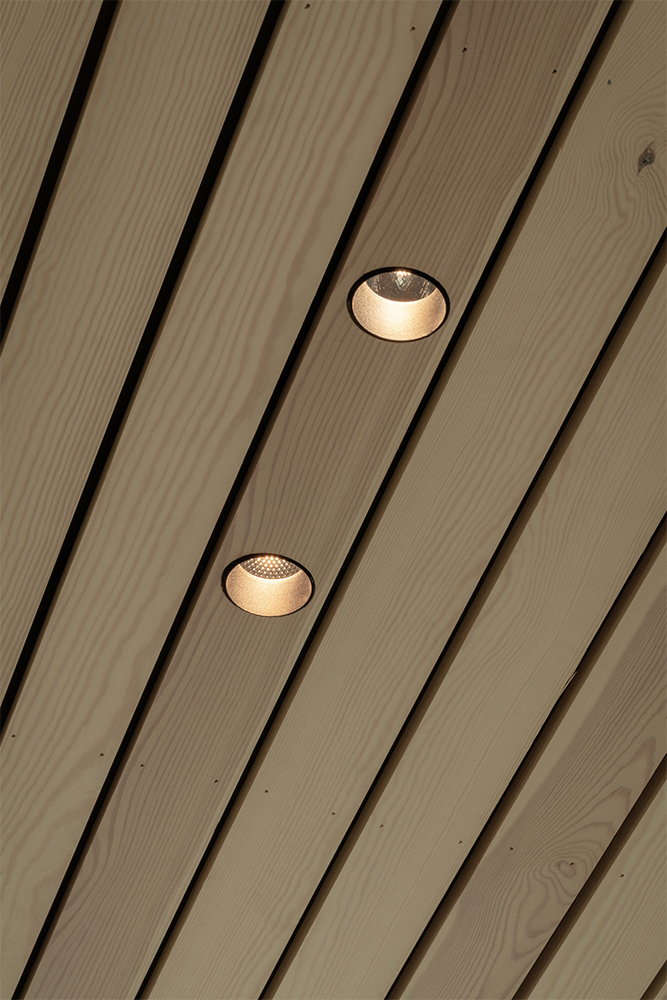
LED fixtures are energy-efficient, long-lasting, and offer a wide range of tones. They are an eco-friendly and economical choice for the home.

8. Don’t forget outdoor lighting

Well-designed outdoor lighting enhances security and highlights the beauty of your yard. Consider lights with motion sensors and indirect lighting to emphasize plants and landscaping.

9. Lighting control and automation

Modern technology allows lighting to be controlled via smartphone or voice commands. Automation lets you program lighting for waking up or relaxing, enhancing convenience and comfort.

10. Consult a professional

To ensure the perfect lighting design, consider consulting a professional. They can account for the unique characteristics of your space and create a lighting solution tailored to your needs.

In summary: Lighting design is an investment that enhances quality of life and the functionality of your home. Well-planned lighting adapts to your needs and makes your home more comfortable and inviting.
 

tuotteet

TIPPU
TIPPU
- Size: customized
- Pendant or
ceiling-mounted

TIPPU TW (tunable white)
- Power: 9W
- Kelvin: 1800-4000K
- Lumen: 700-1100lm
- Beam Angle: 10 / 23 / 38°

TIPPU D2W (dim to warm)
- Power: 9W
- Kelvin: 1800-3000K
- Lumen: 39-998lm
- Beam Angle: 10 / 23 / 38°

VIETA
VIETA
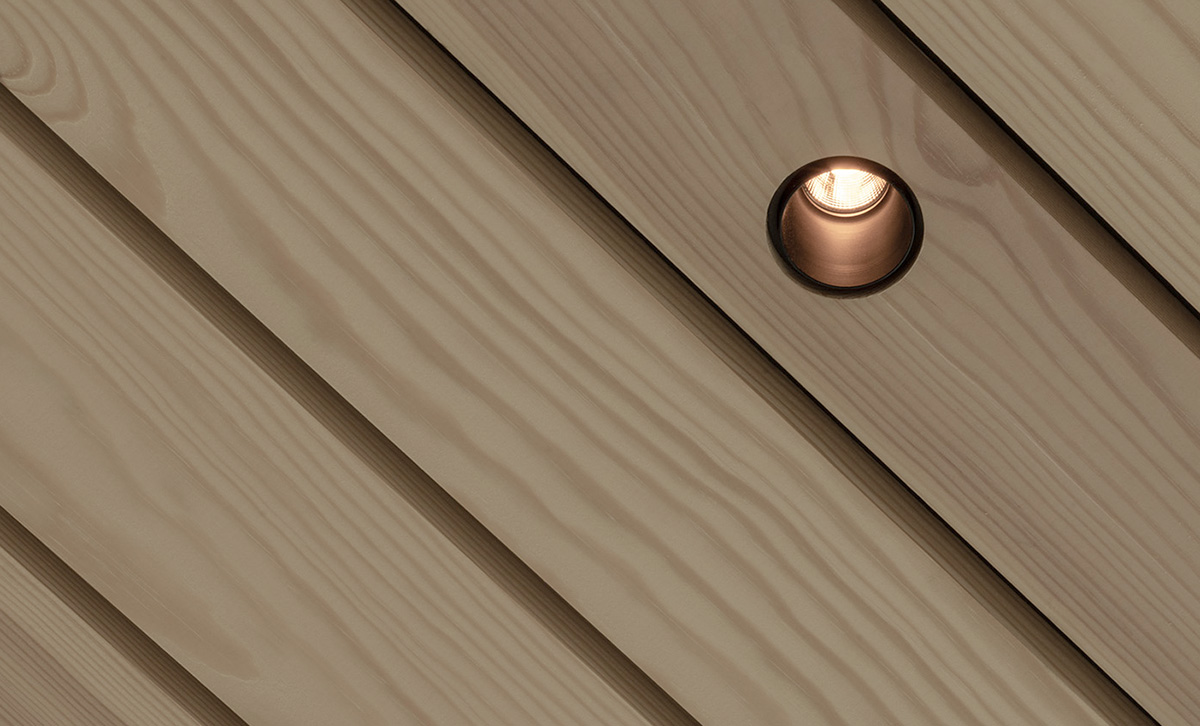
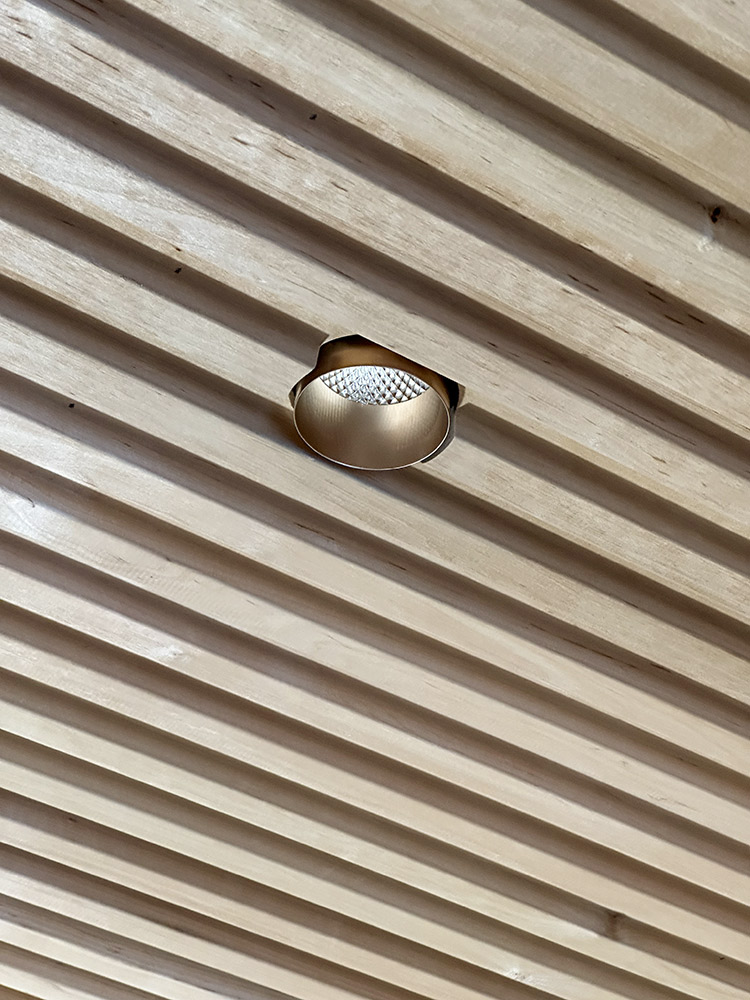
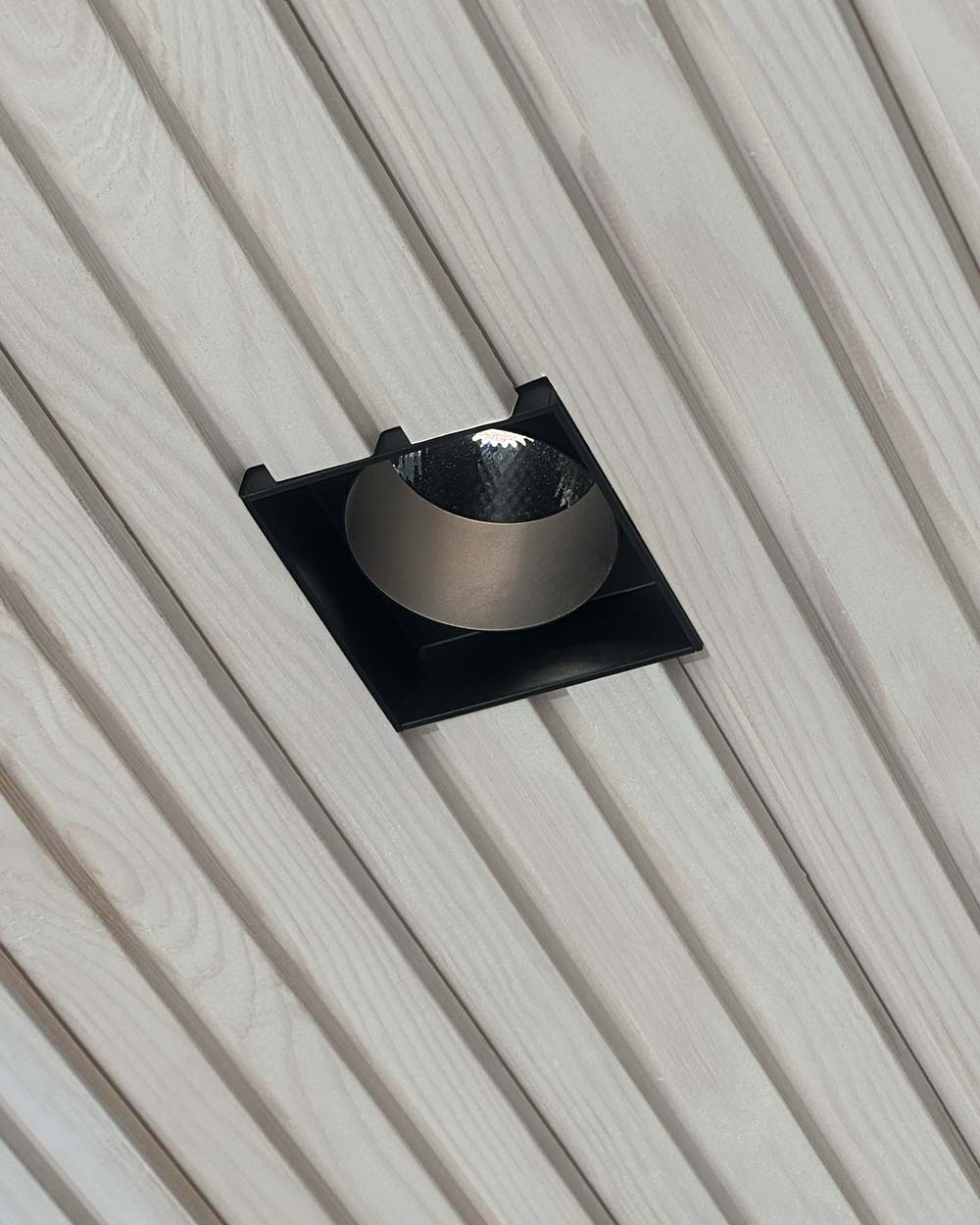
- Size: ø50x90mm
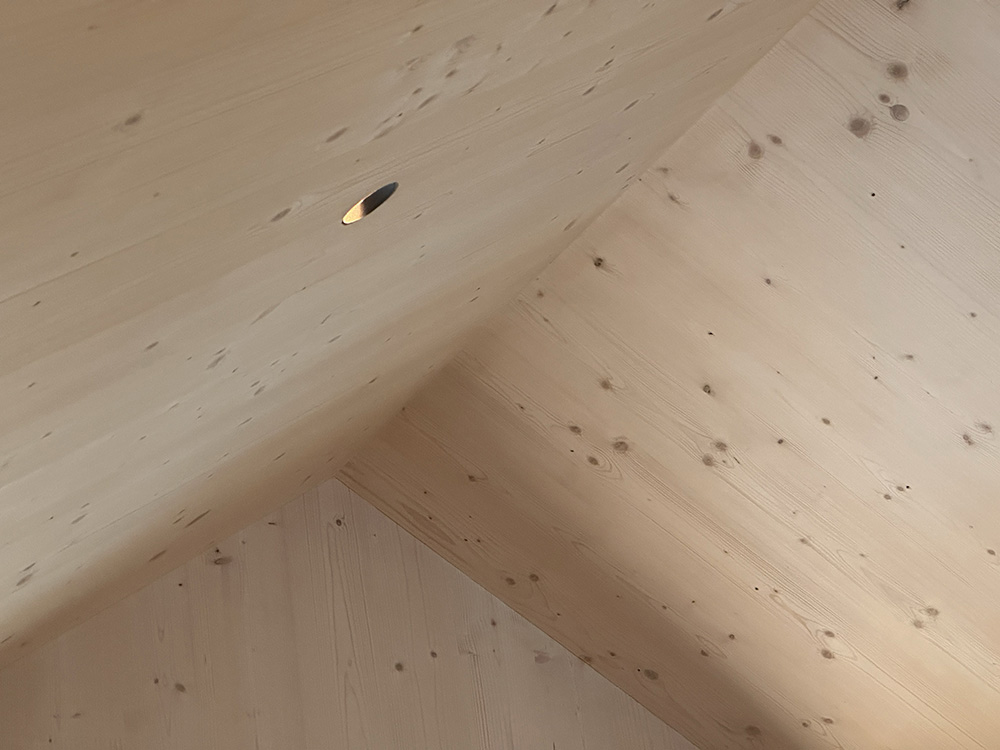
- Recessed, trimless
- Installation height: 100mm

VIETA TW (tunable white)
- Power: 9W
- Kelvin: 1800-4000K
- Lumen: 700-1100lm
- Beam Angle: 10 / 23 / 38°

VIETA D2W (dim to warm)
- Power: 9W
- Kelvin: 1800-3000K
- Lumen: 39-998lm
- Beam Angle: 10 / 23 / 38°

PISTE
PISTE
- Size: ø30x60mm
- Recessed, trimless
- Installation height: 70mm

PISTE TW (tunable white)
- Power: 6W
- Kelvin: 1800-4000K
- Lumen: 350-580lm
- Beam Angle: 25 / 35 / 50°

PISTE D2W (dim to warm)
- Power: 6W
- Kelvin: 1800-3000K
- Lumen: 16-660lm
- Beam Angle: 25 / 35 / 50°

KOODI
KOODI
- Size: ø60x210mm
- Recessed

KOODI TW (tunable white)
- Power: 9W
- Kelvin: 1800-4000K
- Lumen: 700-1100lm

KOODI D2W (dim to warm)
- Power: 9W
- Kelvin: 1800-3000K
- Lumen: 39-1384lm


MOODI
MOODI
- Visible size: ø60x89mm
- Recessed, pointing down
- Installation height: 30mm

MOODI TW (tunable white)
- Power: 9W
- Kelvin: 1800-4000K
- Lumen: 700-1100lm

MOODI D2W (dim to warm)
- Power: 9W
- Kelvin: 1800-3000K
- Lumen: 39-1384lm


TAIVE
TAIVE
- Visible size: ø30x62mm
- Recessed, ceiling or wall
- Installation height: 70mm

TAIVE TW (tunable white)
- Power: 6W
- Kelvin: 1800-4000K
- Lumen: 350-580lm

TAIVE D2W (dim to warm)
- Power: 6W
- Kelvin: 1800-3000K
- Lumen: 16-660lm


Frequently Asked Questions

The role of a lighting designer — everything you need to know

Answers to common questions about what a lighting designer does, why automation matters, and how professional lighting design improves your space.

  • 01What does a lighting designer do beyond choosing fixtures?+

    A lighting designer analyses the space’s purpose, user needs, and architecture — then designs a complete lighting system including light positioning, colour temperatures, intensities, and control strategies.

    The work begins with understanding how the space will be used: residential spaces need soft, cozy lighting; offices need brighter, focused task lighting. The designer then plans where light sources sit, selects appropriate technologies (LED, Tunable White, Dim to Warm), considers the client’s budget, and ensures the result is both visually pleasing and energy-efficient. It’s a holistic system design — not just picking products from a catalogue.

  • 02Why is automation essential for modern lighting design?+

    Without automation, modern fixtures like Tunable White and Dim to Warm cannot reach their full potential — the lighting plan remains incomplete because there’s no way to programme scenes, schedules, or adaptive responses.

    Automation allows lighting to adapt to changing needs: bright and cool for morning work, warm and dim for evening relaxation, accent mode for entertaining. Systems like Casambi enable all indoor and outdoor fixtures to work within the same framework, telling a cohesive story. Motion sensors, daylight sensors, and scheduled scenes further improve energy efficiency and user experience — all without manual intervention.

  • 03What are Dim to Warm and Tunable White technologies?+

    Dim to Warm (D2W) automatically shifts colour temperature warmer as brightness decreases — mimicking incandescent behaviour. Tunable White (TW) allows free adjustment of colour temperature across a broad spectrum (typically 1800–4000 K) at any brightness level.

    D2W is ideal for living spaces where you want atmosphere to change naturally with dimming — bright and neutral during the day, warm and amber in the evening. TW gives full control: you can set cool white for a morning workout, neutral for reading, or warm for dinner — independently of brightness. A lighting designer selects which technology suits each zone based on how the space is used.

  • 04How can a lighting designer save money and avoid costly mistakes?+

    A lighting designer prevents over-specification, poorly positioned fixtures, and incompatible technologies — saving on wasted products, rewiring, and energy costs over the building’s lifetime.

    Their knowledge of lighting technologies means they evaluate what works best for a given space before purchases and installation happen. Careful planning improves energy efficiency (LED + automation can cut consumption dramatically), extends fixture lifespan, and ensures the design meets both current and future needs. The cost of a lighting designer is typically recovered many times over through avoided mistakes and optimised energy use.

  • 05When should a lighting designer be brought into a project?+

    As early as possible — ideally before electrical planning begins. Lighting design influences wiring routes, structural recesses, and automation infrastructure, all of which are difficult or expensive to change later.

    Early involvement means the designer can collaborate with the architect and interior designer to plan recessed fixtures, cove lighting, and control cabling from the start. Retrofitting these elements after construction is costly and often results in compromises. The earlier a lighting designer is involved, the more seamlessly lighting integrates with the architecture and the fewer change orders are needed during construction.

Need a lighting designer for your project?

Otherwise combines lighting design, automation planning, and custom fixture manufacturing — all under one roof. Tell us about your space and we’ll create a lighting solution that’s technically precise and visually stunning.