
Etusivu » Lighting design and automation design
Lighting design and automation design
Lighting design focuses on the placement of fixtures, the quality of light, and the overall aesthetic, while lighting automation design centers on the intelligent control and optimization of lighting. These two aspects complement each other, and together they ensure that the lighting not only looks good and meets functional requirements but is also energy-efficient, user-friendly, and automated to meet the needs of a modern building.
Otherwise specializes in tailoring lighting solutions, and our design work encompasses both areas. If either aspect is neglected, the overall result suffers, and the full potential of next-generation LED lights, such as tunable white solutions, cannot be fully realized. Additionally, without clear plans and guidelines during electrical contracting, things can go wrong. For this reason, Otherwise supervises and advises during construction to ensure that everything is executed as planned.
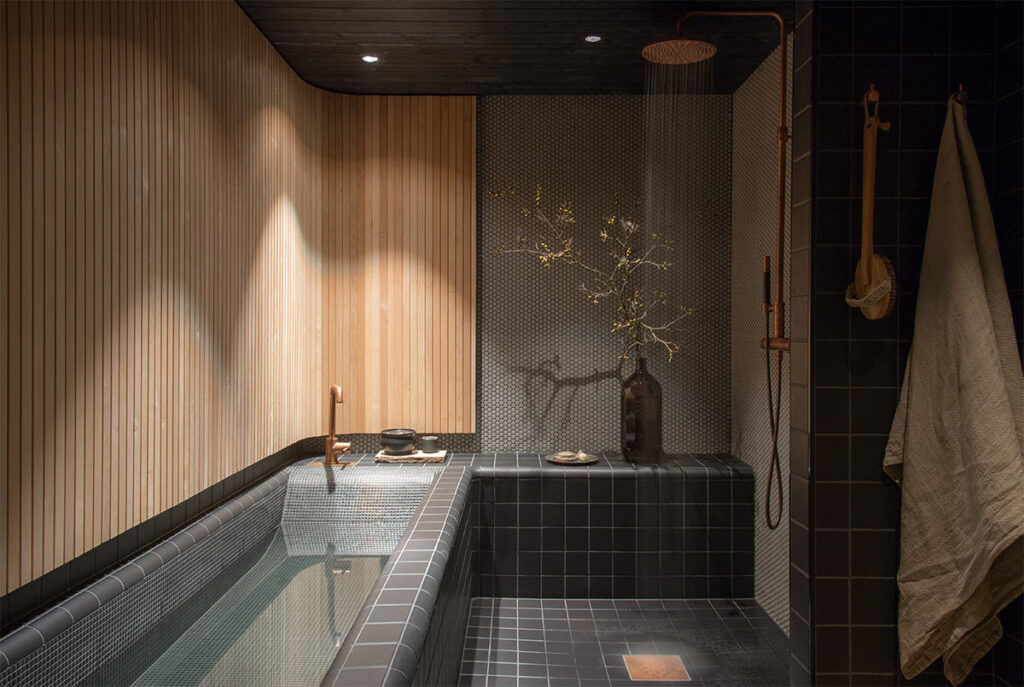
Lighting Design
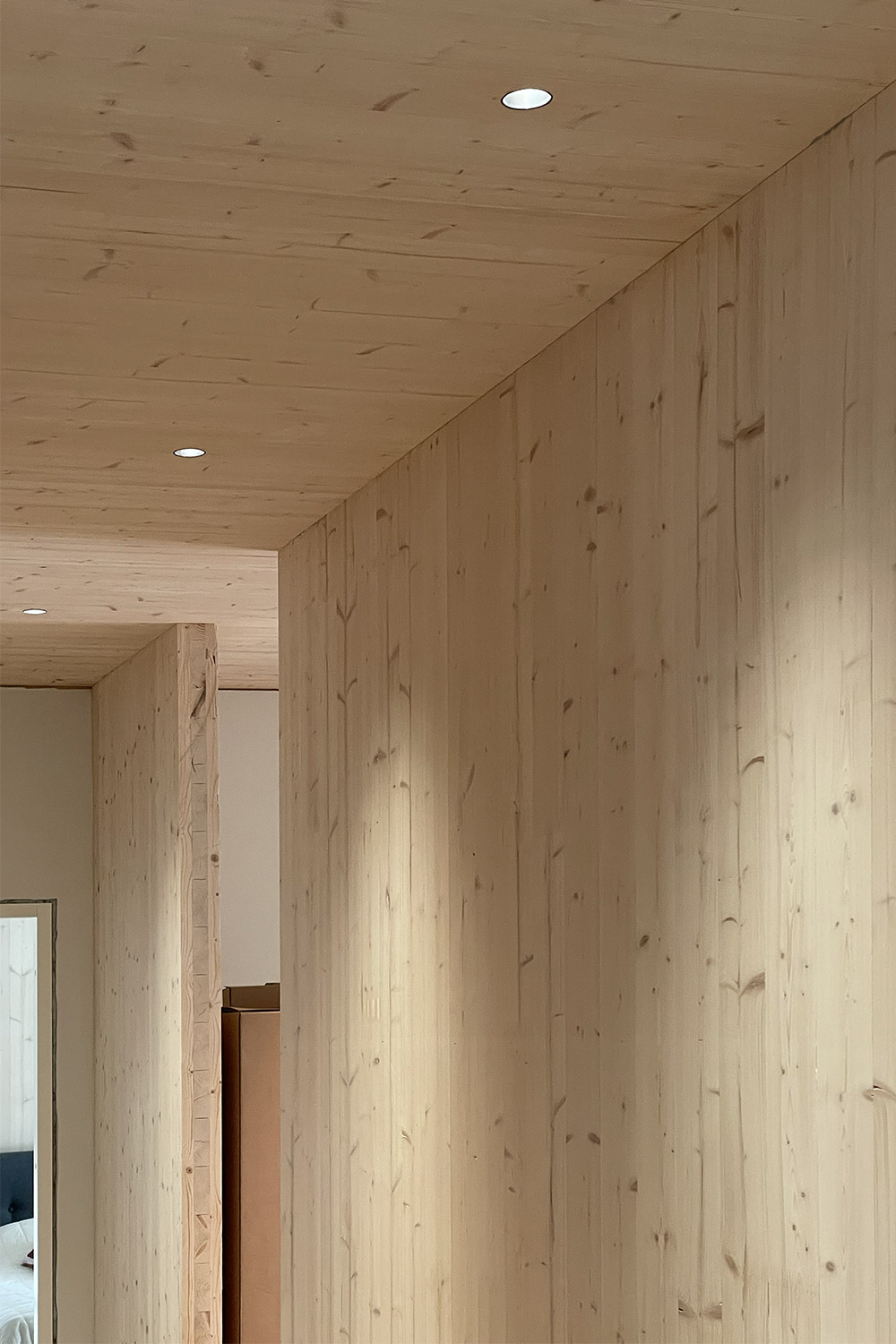
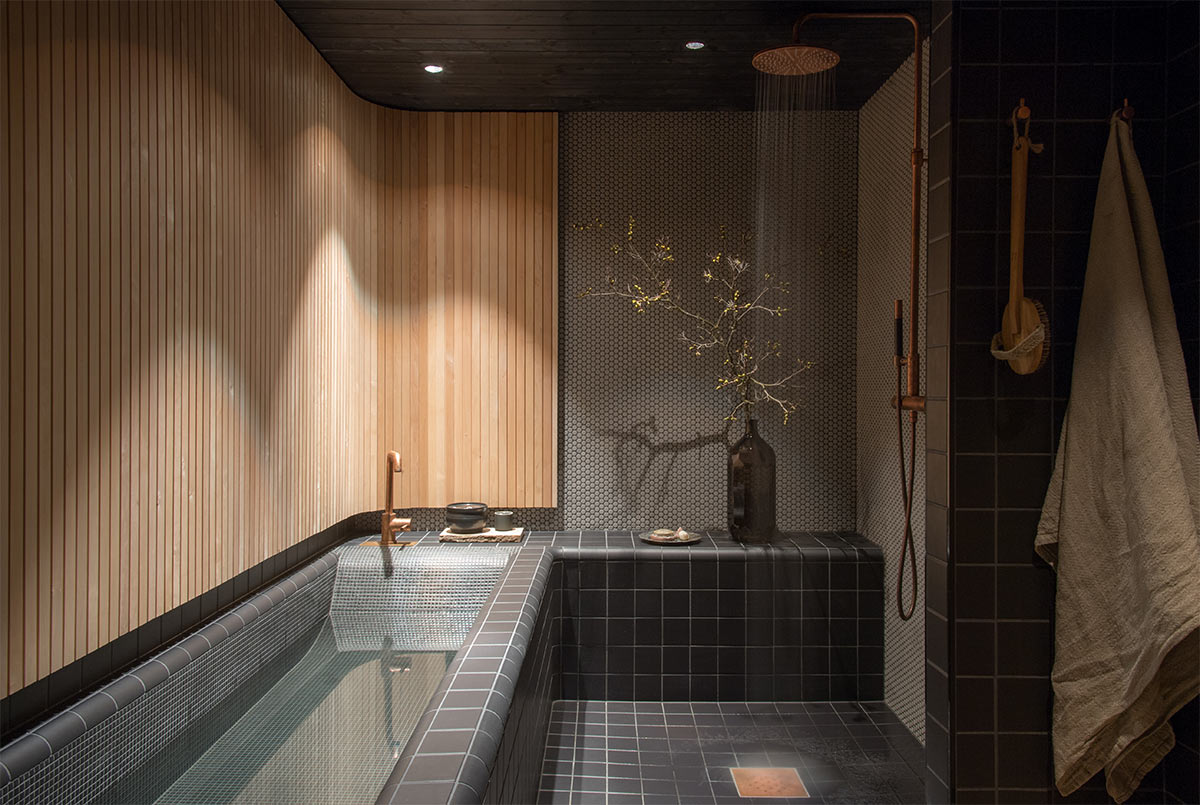
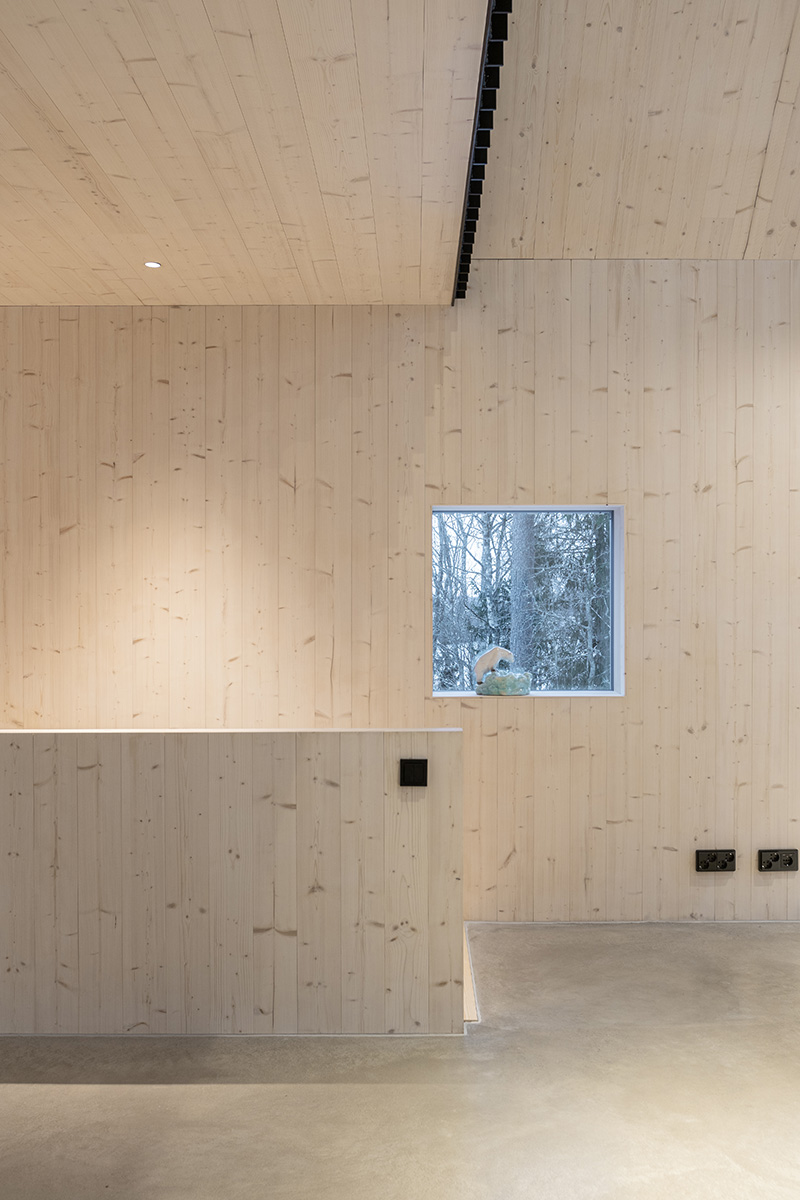
Lighting design focuses on organizing lighting within a space to meet both visual and functional needs.
This includes:
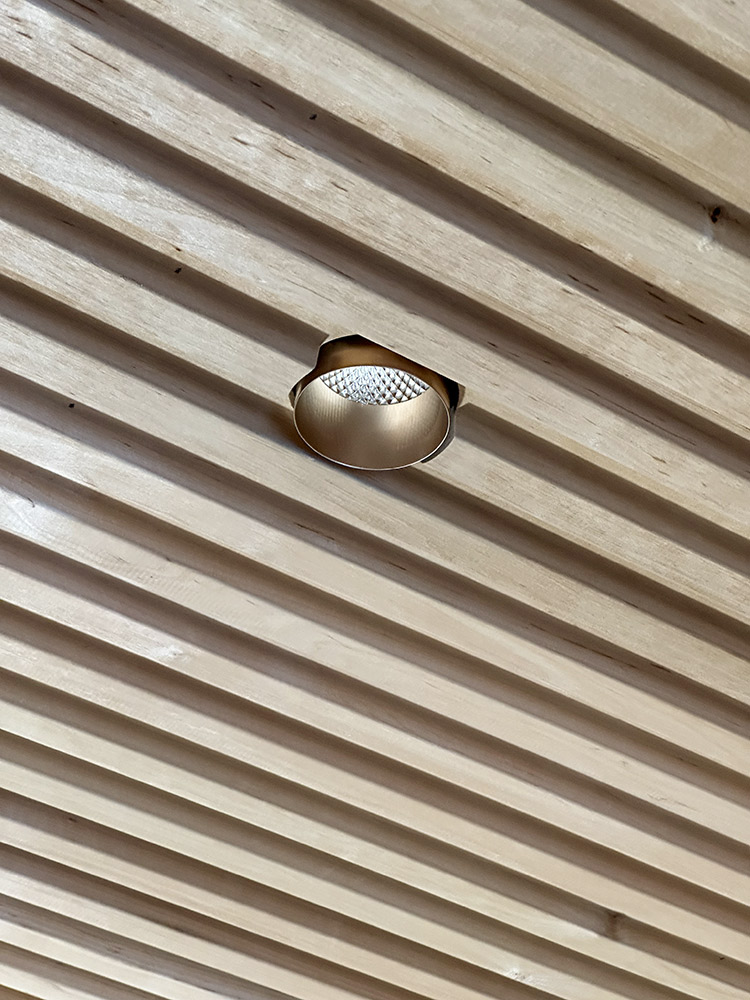
- Selection and placement of light sources: The designer chooses fixtures and their placement to provide the necessary amount of light and the appropriate light quality (e.g., color temperature, light distribution).
- Aesthetics and atmosphere: Lighting design considers the space’s aesthetics and how lighting can highlight architectural elements and create the desired ambiance.
- Type of light sources: The type of fixture is chosen based on its suitability, energy efficiency, and aesthetic preferences.
- Standards and regulations: The design also takes into account local building codes and lighting standards, such as minimum requirements for indoor lighting.
Lighting Automation Design
Lighting automation design, on the other hand, focuses on the automation and intelligent control of the lighting system.
This involves:
- Automation logic: The designer defines how and when the lights will turn on, off, or dim, based on factors like timers, motion sensors, natural light levels, or user actions.
- Control systems and protocols: Automation requires intelligent control systems and protocols, such as Casambi, DALI, KNX, or Bluetooth Mesh, which enable remote control and automation of the lighting.
- Optimization of energy efficiency: Automation allows for efficient management of lighting, such as automatically dimming or turning off lights when spaces are unoccupied or when natural light is sufficient.
- User-friendliness and integration: The design considers how the system can be controlled in a user-friendly way, for example, through a smartphone app or voice control, and how it integrates with other building automation systems.
- The designer’s role in the construction project: Involving the designer from the start of the construction project ensures that automation systems can be integrated effectively and cost-efficiently. When automation and lighting are planned early on, complex and costly changes later can be avoided, and the benefits of the systems can be maximized.
- Guidance for electrical contracting: Without clear plans and guidelines, things often don’t go as they should during electrical contracting. Otherwise supervises and advises during construction to ensure that the plans are implemented correctly and efficiently.

Frequently Asked Questions
Lighting design & automation design — everything you need to know
Answers to the most common questions about the difference between lighting design and automation design, which control protocols we work with, and why on-site supervision during electrical contracting matters.
-
01What’s the difference between lighting design and lighting automation design?+
Lighting design decides where light is placed and how it looks; automation design decides how the light behaves and adapts over time. Together they form a single system.
Lighting design covers fixture selection, placement, colour temperature, light distribution, aesthetics, and compliance with lighting standards. Automation design covers the logic layer — when lights turn on/off/dim, which sensors and controllers are used, which protocols carry the signals, and how the whole thing integrates with wider building automation. One without the other leaves the system incomplete.
-
02Why do both need to be planned together?+
Because the full potential of modern LED lighting — especially tunable white and scene-based control — can only be achieved when the fixture design and the automation logic are designed as a single system.
A tunable white fixture is wasted if the control system can only turn it on and off. A sophisticated automation setup is wasted if the fixtures aren’t dimmable or positioned for scene work. When the two designs are separated across different specialists, the seams show — flickering dimming, wrong colour behaviour, scenes that don’t do what the user expects. Otherwise designs both together so the finished experience feels seamless.
-
03Which control protocols does Otherwise design with?+
We work fluently with Casambi (our default for most projects), DALI, KNX and Bluetooth Mesh — chosen per project based on scale, integration needs, and client preferences.
Casambi (wireless Bluetooth Mesh) is our recommendation for the majority of residential and commercial work — no dedicated cabling, fast install, easy retrofit. DALI is used where a wired standard is required or on very large installations. KNX is chosen when lighting needs to sit inside a full building-automation ecosystem alongside HVAC, blinds, and access control. Regardless of protocol, we plan the same way: fixtures, control logic, and user experience as one.
-
04How does automation design optimise energy efficiency?+
Automation lets lighting respond to real-world conditions in real time — turning off in empty rooms, dimming when there’s daylight, running scheduled scenes — instead of running on manual control alone.
Typical energy-saving strategies we design in: motion-based on/off in circulation spaces, daylight-linked dimming near windows, scheduled scenes that reduce lumens during off-hours, and occupancy-based zoning so only used areas are lit. Over the life of the building this often adds up to 20-40% lower lighting energy use compared to a manually operated system, with better comfort as a side effect.
-
05Why is on-site supervision during electrical contracting important?+
Because even the best drawings can go wrong on site if the electrician doesn’t have precise guidance — and small mistakes at wiring stage are extremely expensive to fix later.
Electrical contractors are excellent at electrical work, but they aren’t lighting designers. Small decisions — driver location, dimming compatibility, control-line routing, connection topology for Bluetooth Mesh gateways — need to be made correctly the first time. Otherwise supervises and advises during construction so that the plan on paper becomes the plan in the wall, without any “we’ll figure it out on site” moments that end up degrading the finished result.
Ready to design lighting and automation together?
Otherwise plans lighting and lighting automation as a single system — fixtures, controls, protocols and on-site supervision — so the finished result works as intended, not just as drawn.