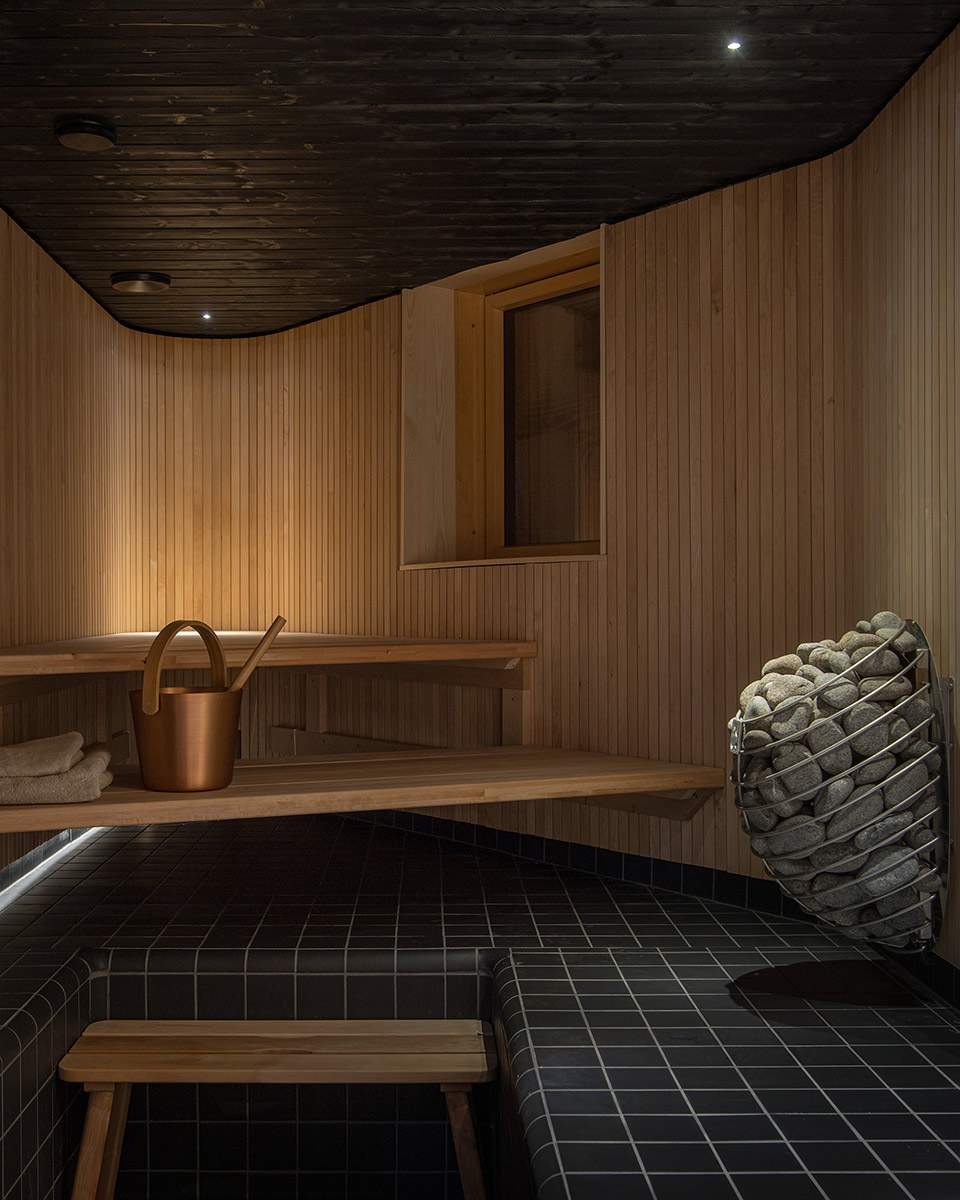
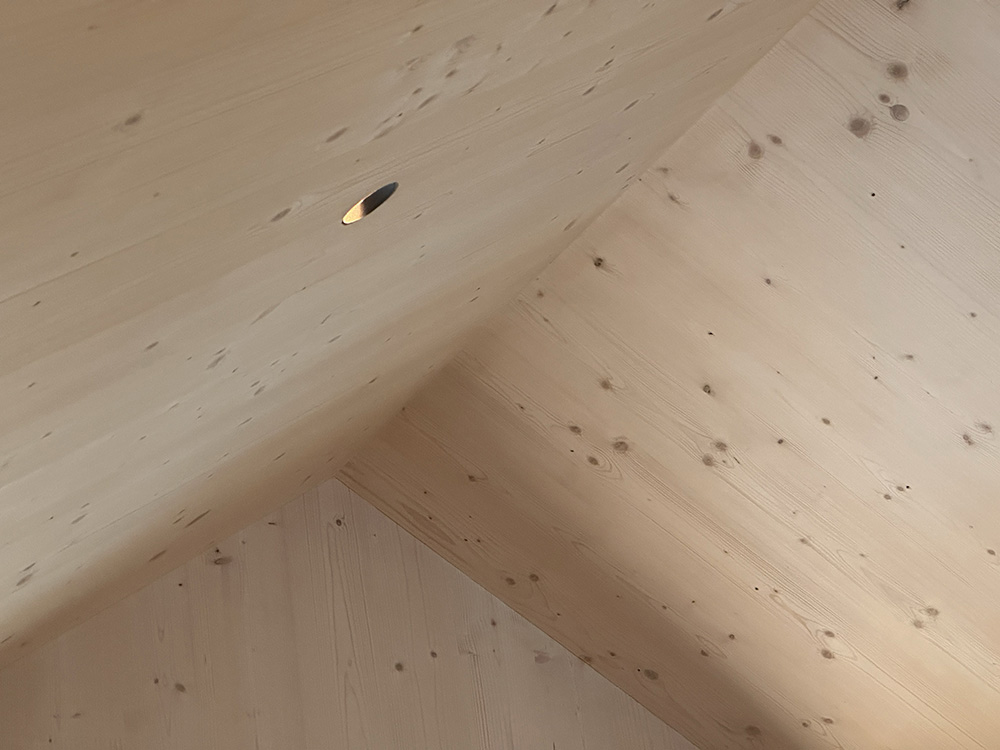
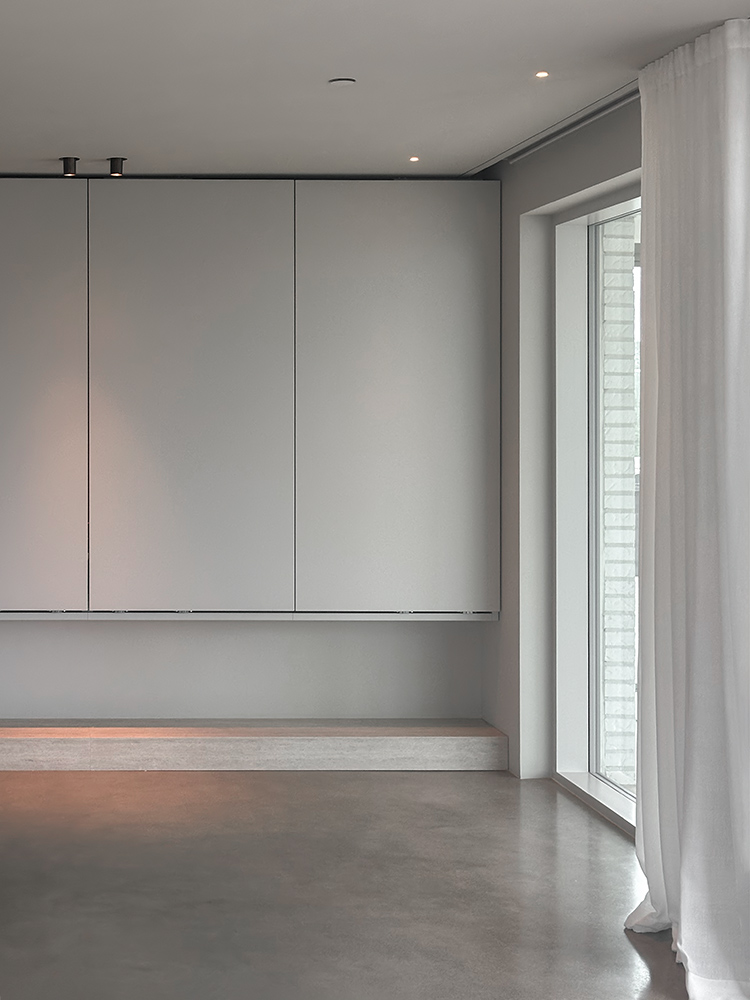
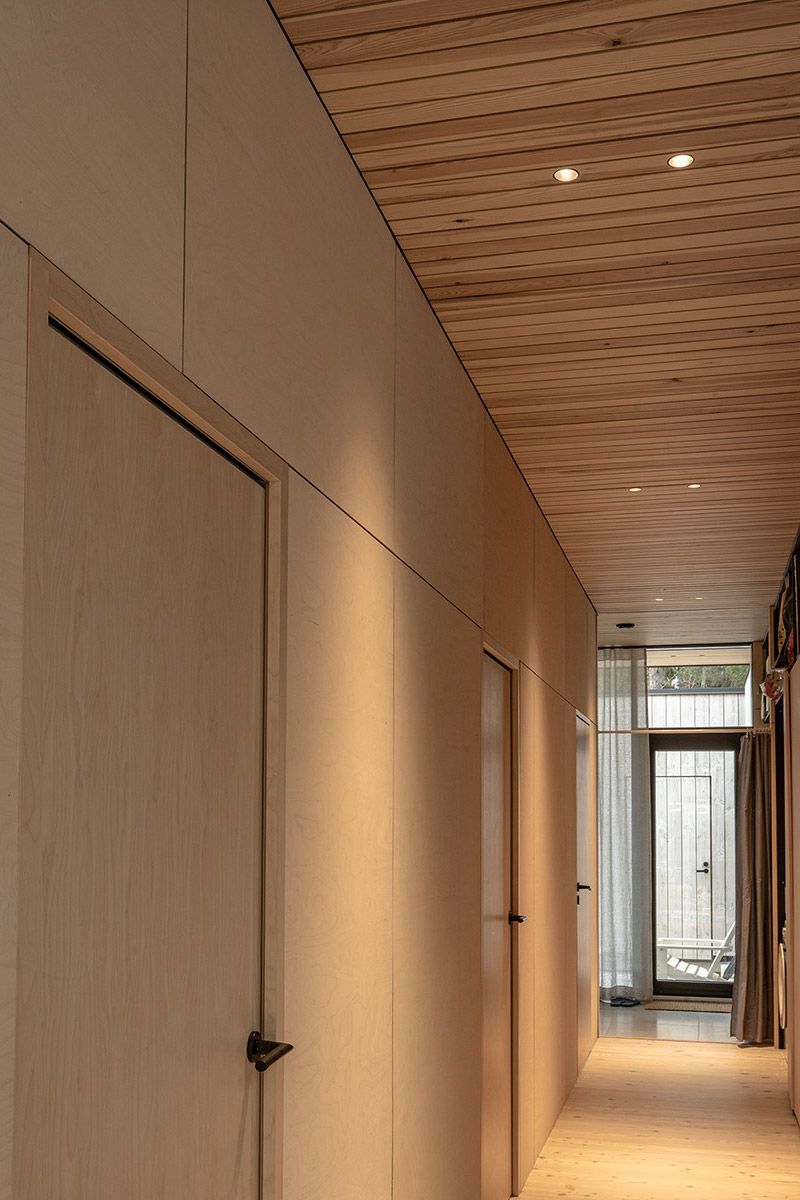
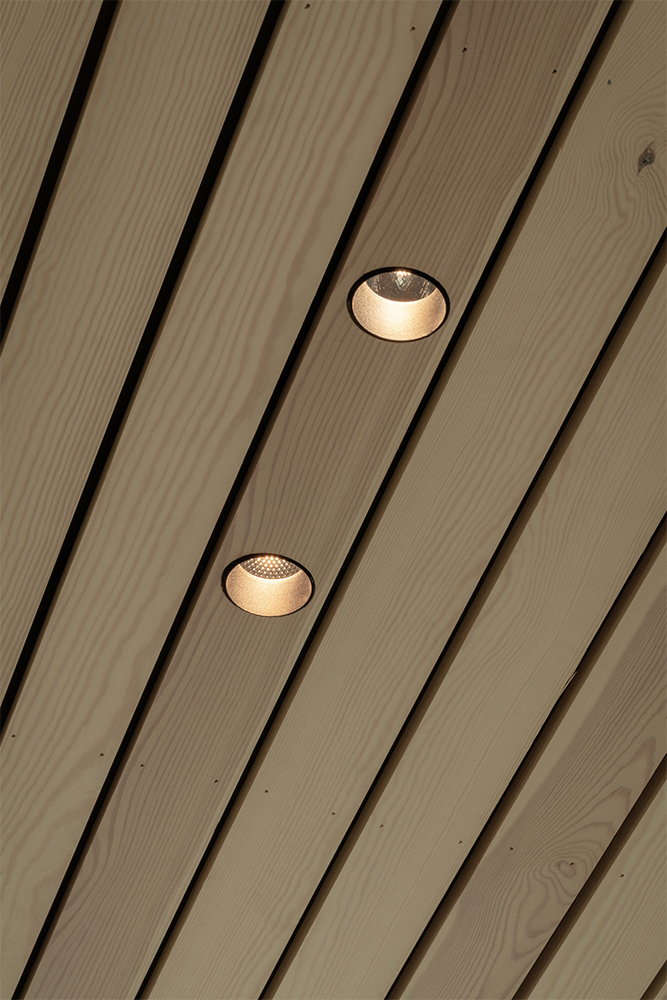
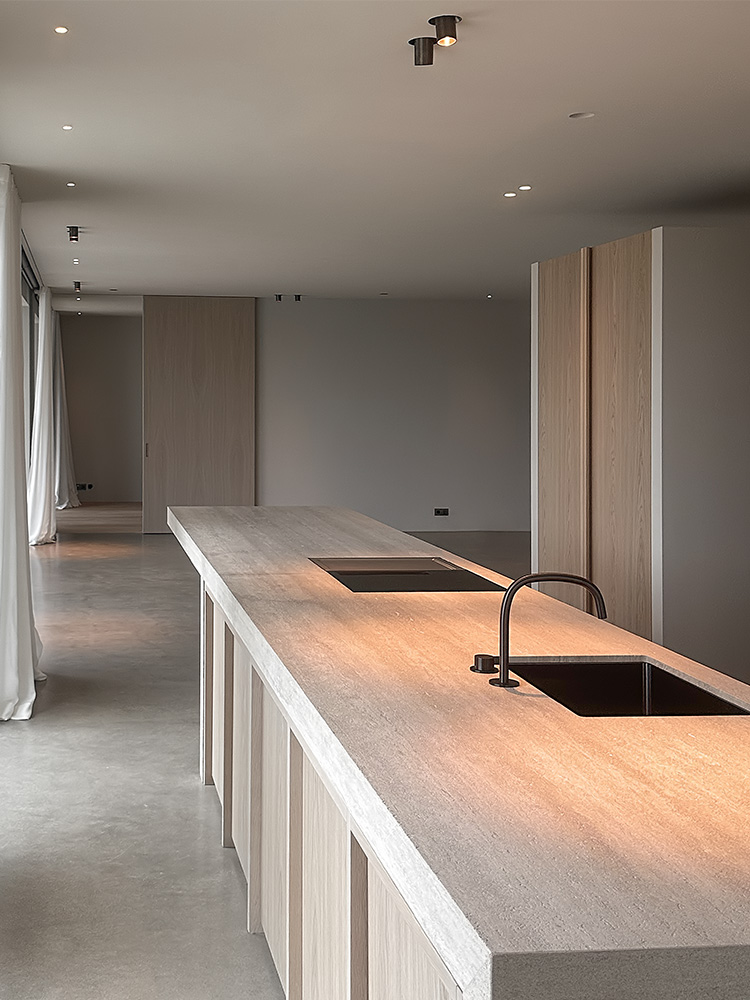
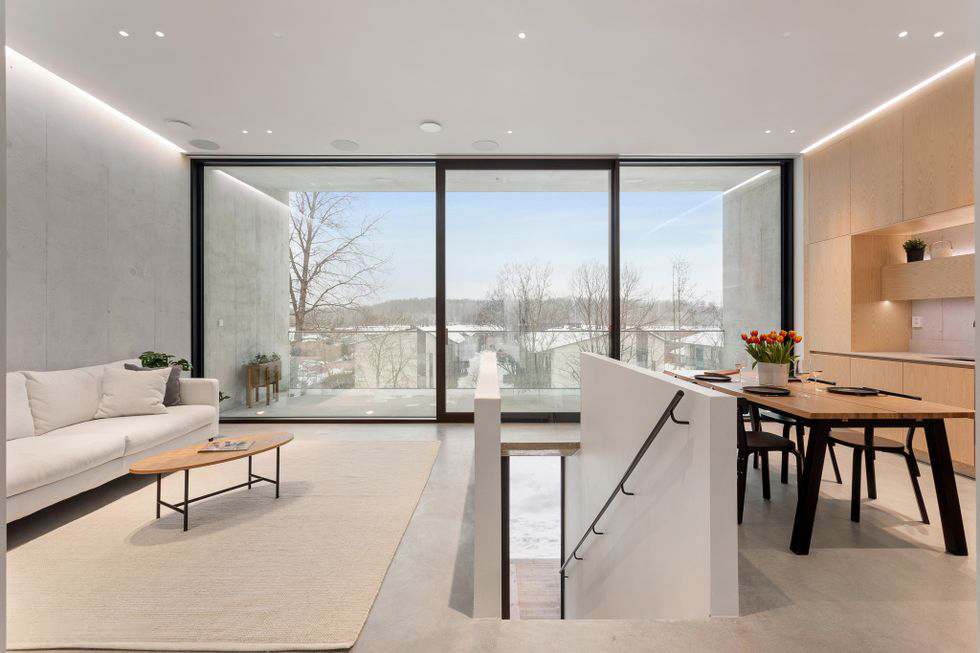
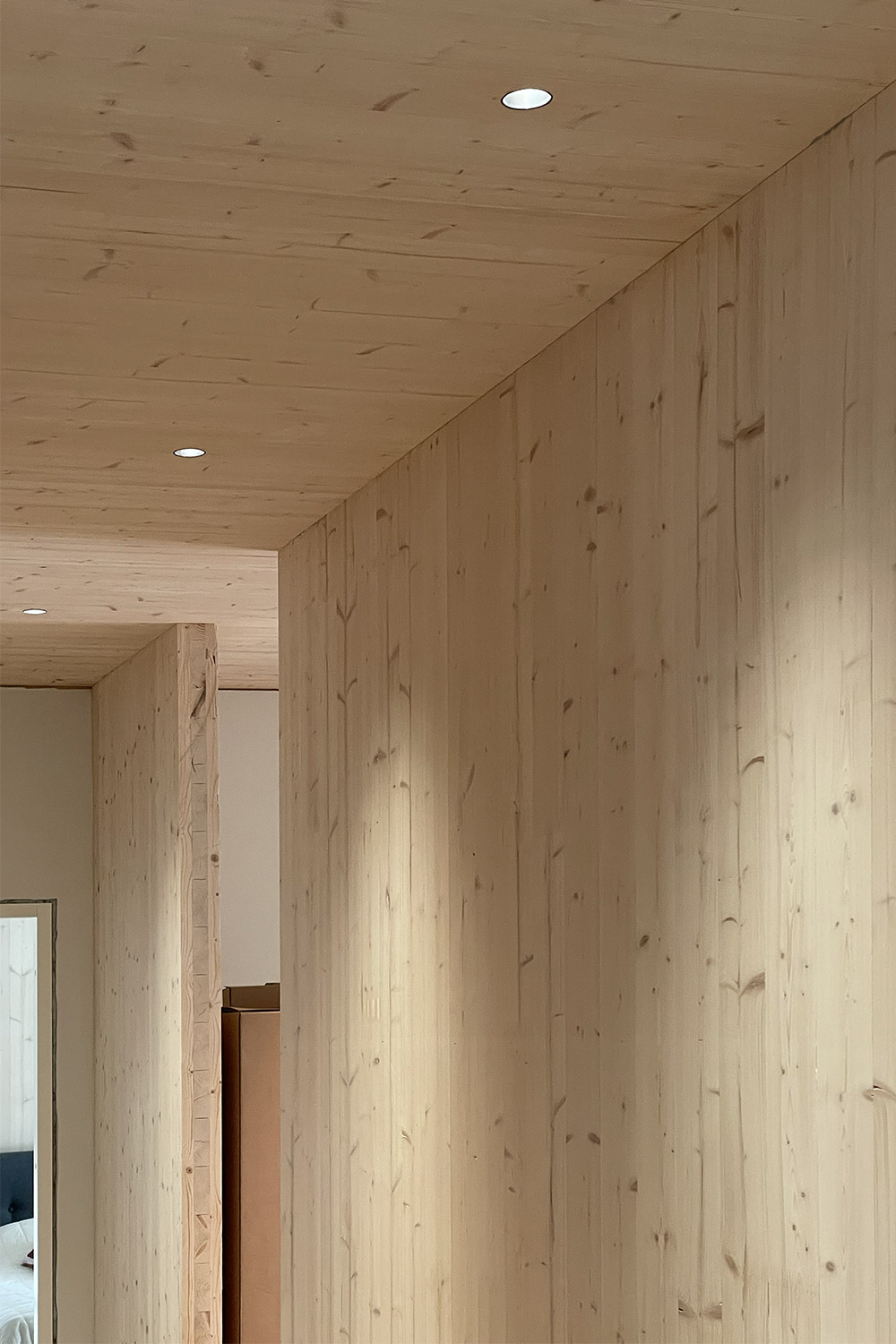
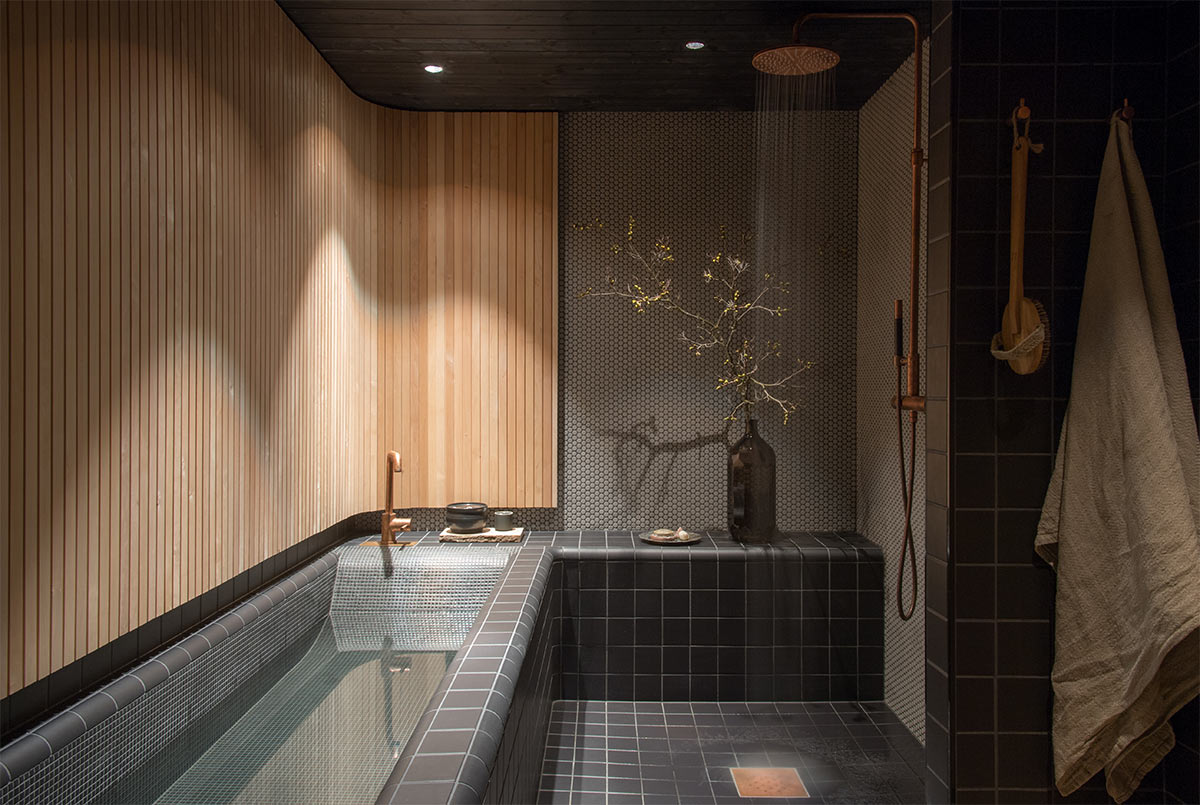
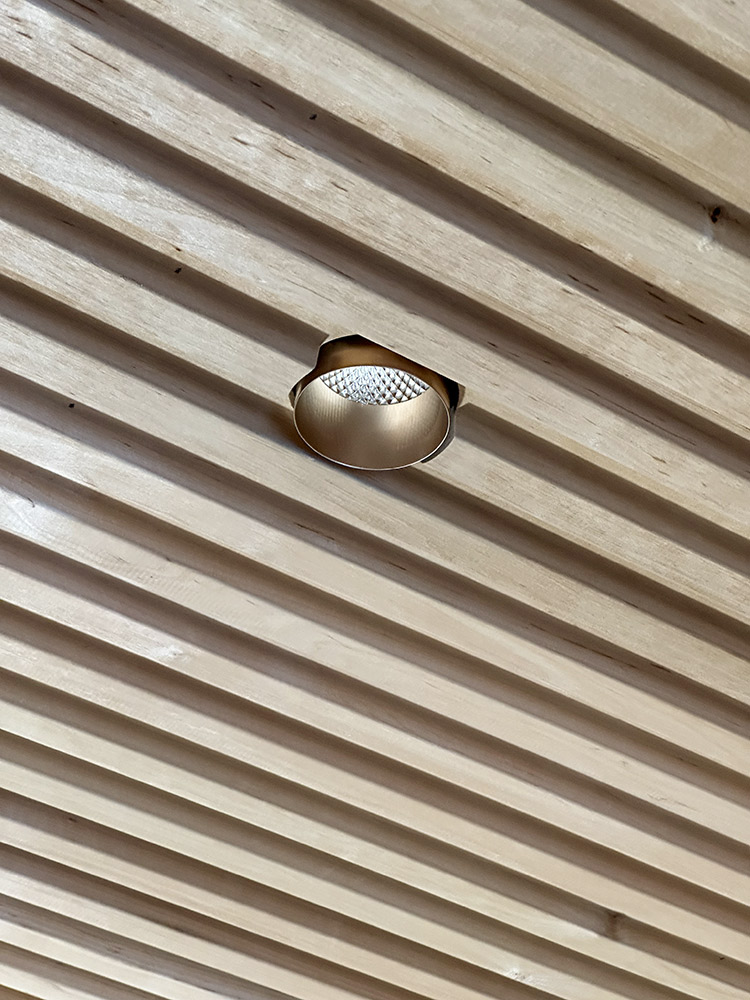
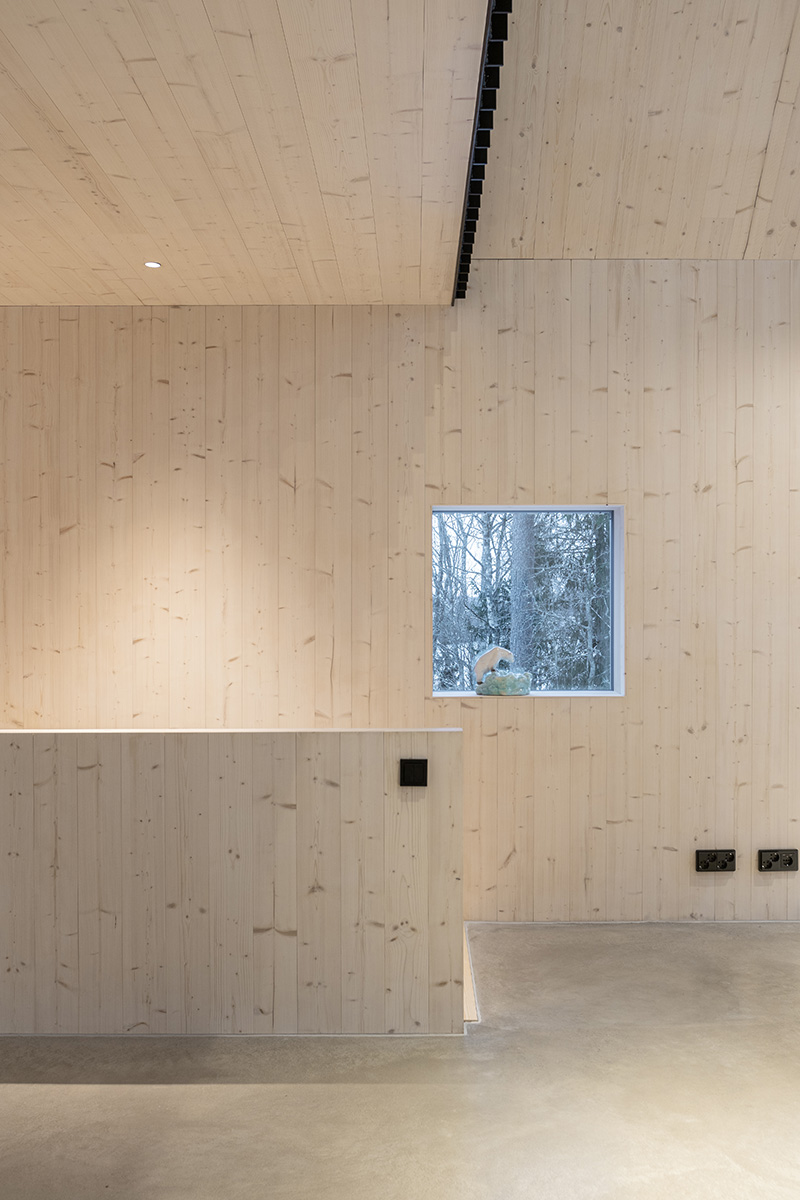
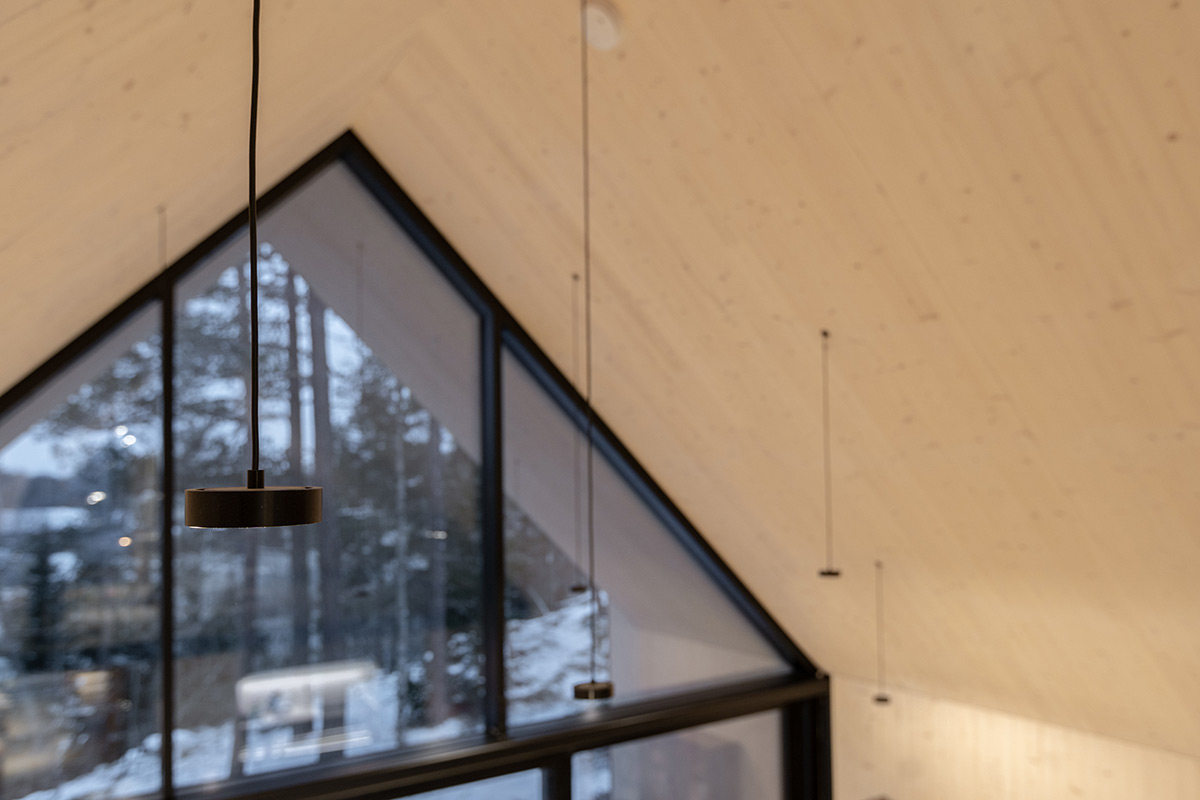
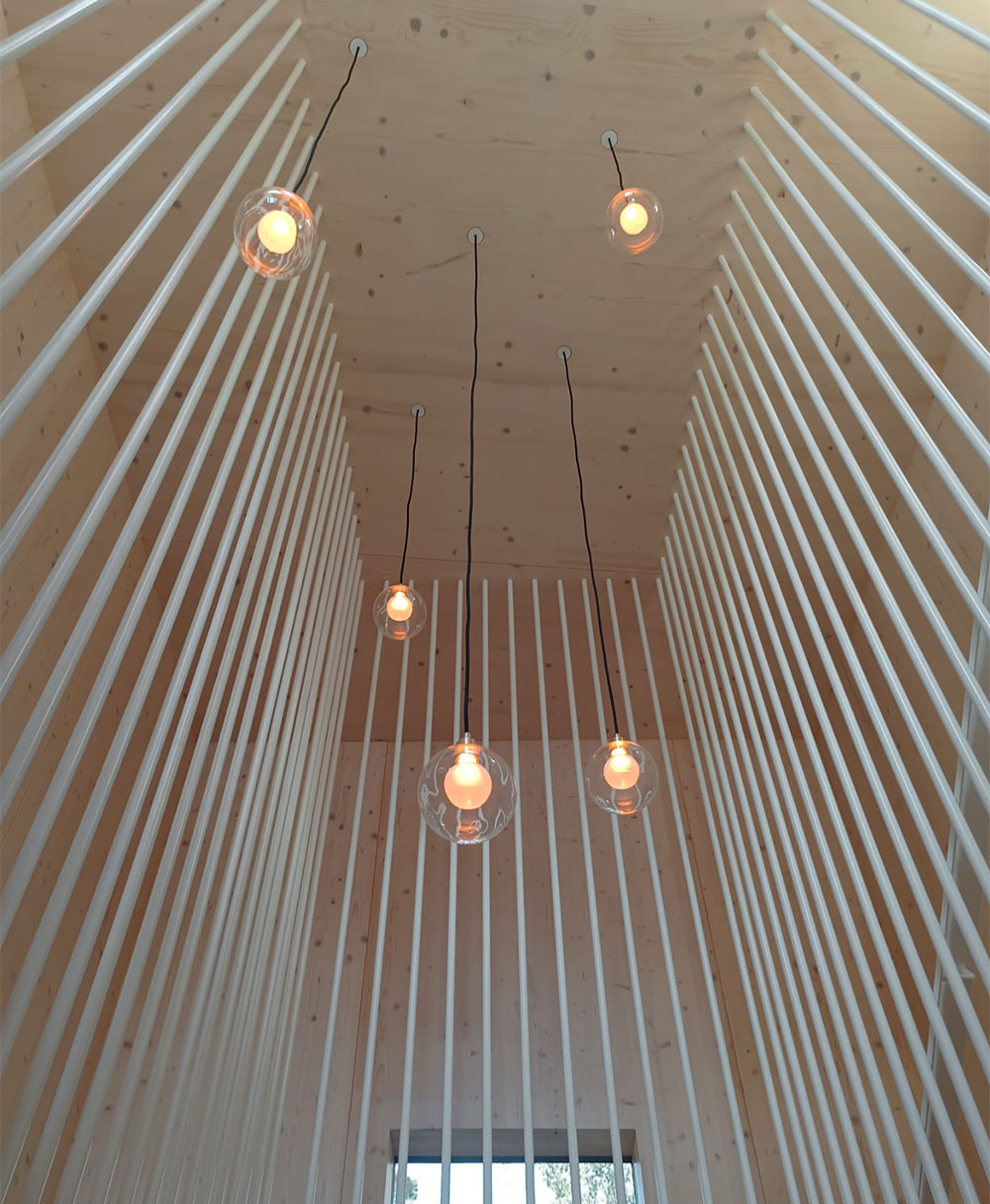
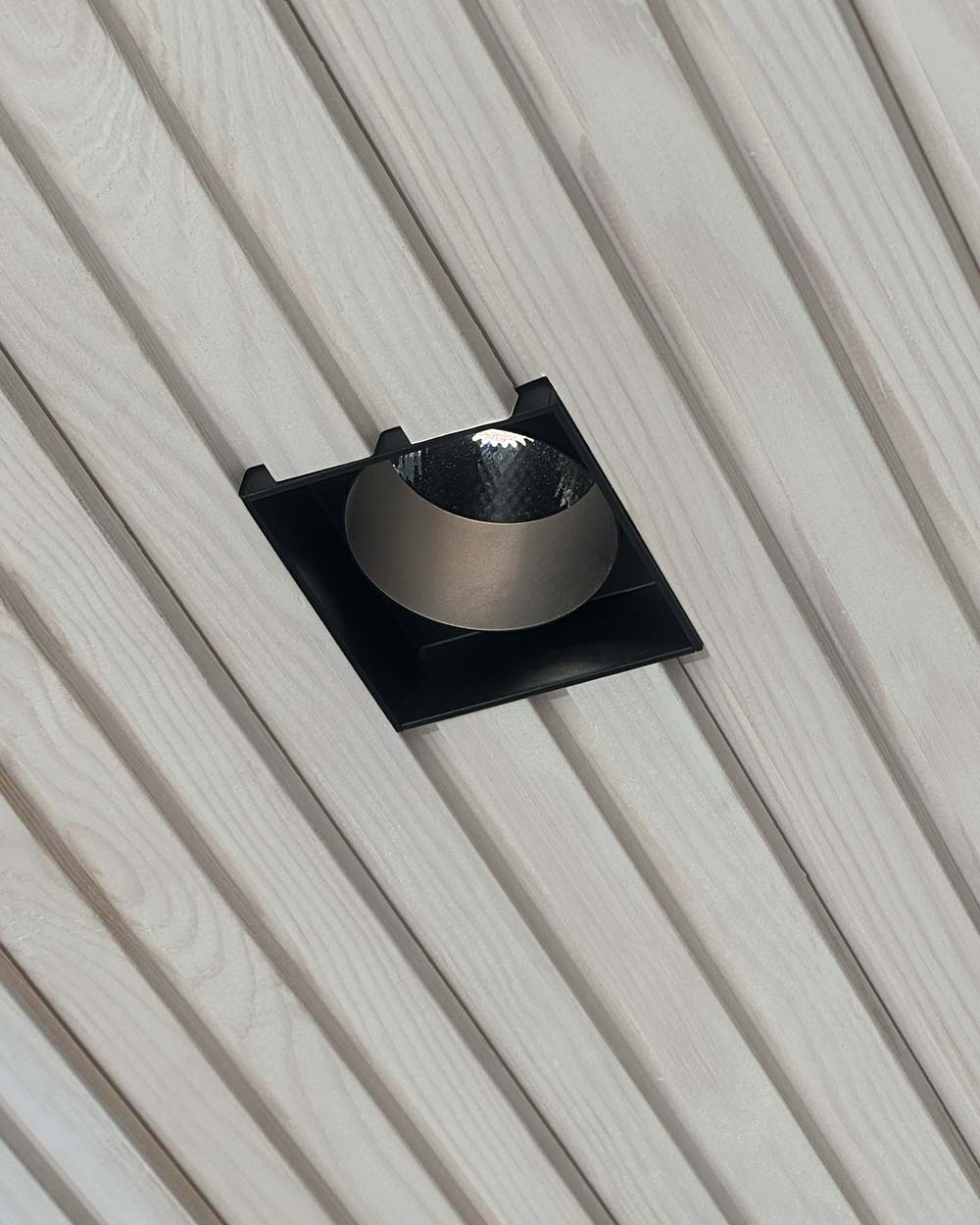
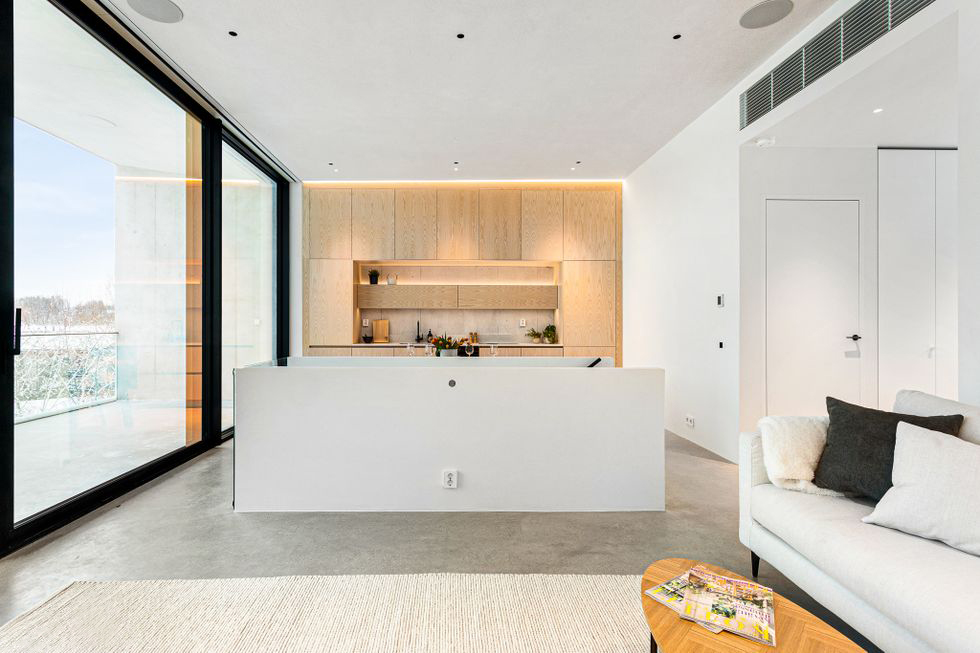
Lighting is one of the most important elements in home interior design, as it influences both the atmosphere and functionality of a space. In a detached house, lighting solutions can be flexibly designed according to the residents’ needs, allowing the best aspects of the interior to be highlighted and creating a pleasant and safe environment at home.

Different areas in a detached house require different types of lighting. For example, the kitchen needs efficient task lighting, while ambient lighting is key to creating coziness in the living room. In the bedroom, dim and calm lighting promotes relaxation. Therefore, always design the lighting according to the intended use of the space.
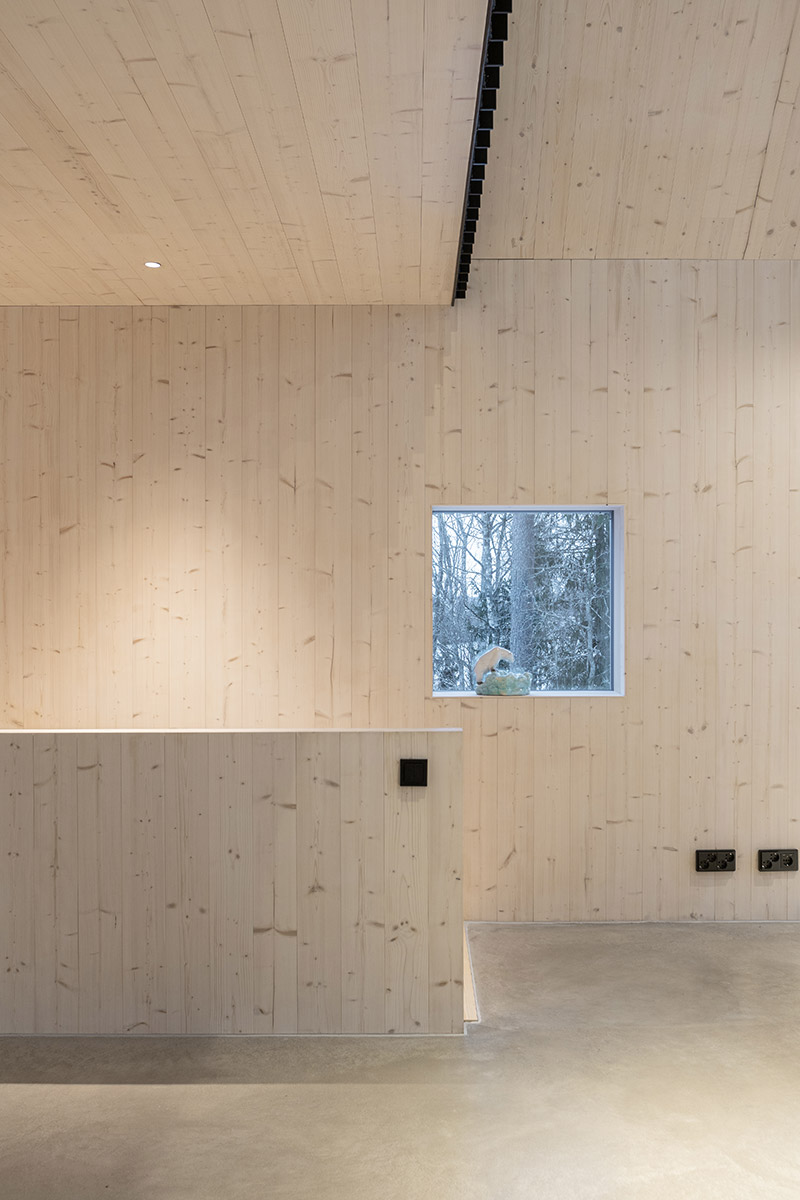
Layered lighting utilizes various light sources, such as general lighting, task lighting, and ambient lighting. General lighting provides the foundation for the room’s illumination, task lighting can highlight specific elements or assist with detail-oriented tasks, and ambient lighting creates a soft, comfortable atmosphere. By combining different layers of lighting, you can add flexibility to your spaces and adjust the lighting according to the situation.
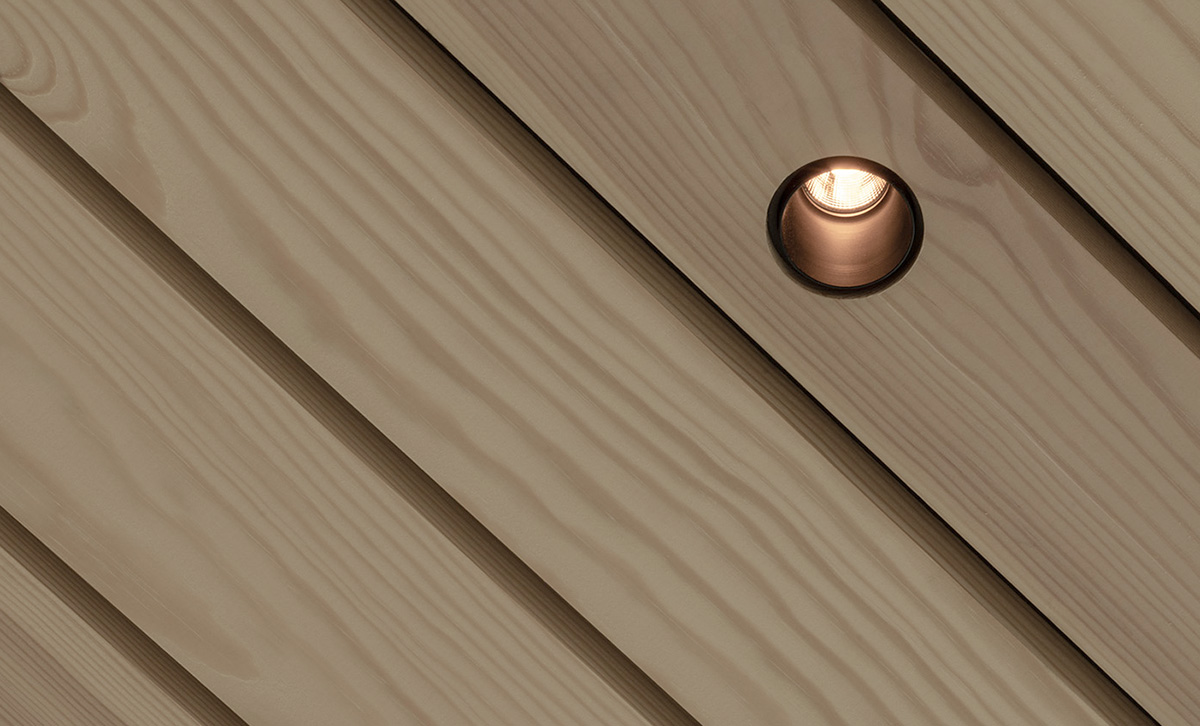
LED lights are an energy-efficient and long-lasting choice for lighting in a detached house. They consume significantly less electricity than traditional incandescent bulbs and last much longer. LED lights are available in a variety of color tones and brightness levels, making them suitable for all types of lighting needs.
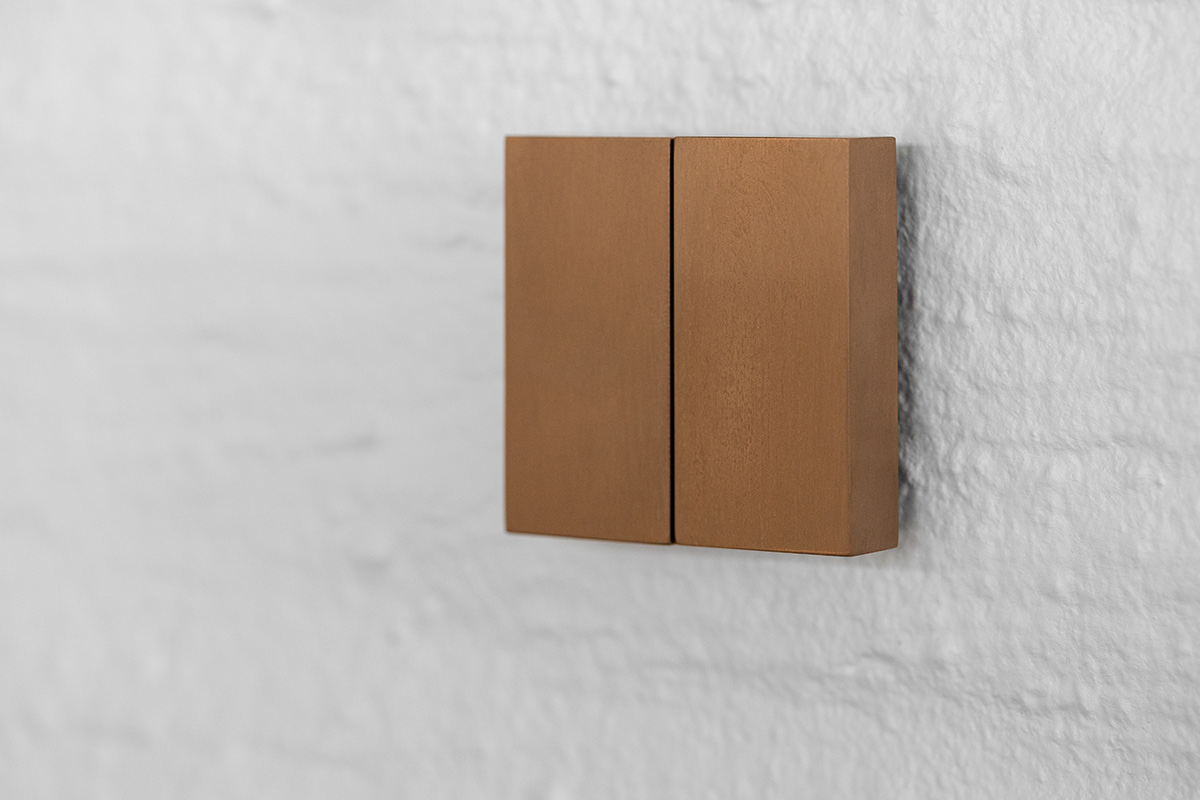
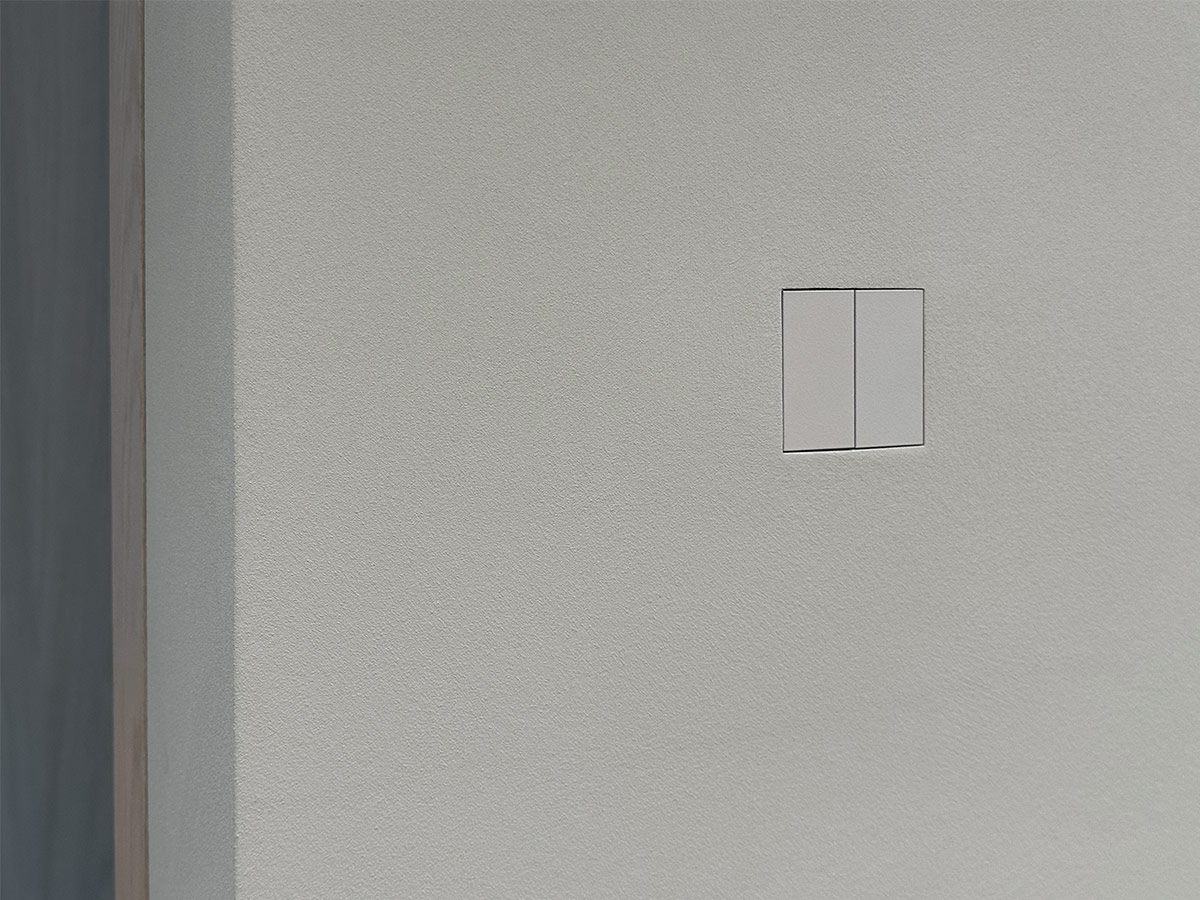
Smart lighting solutions make home lighting more manageable. Features such as scheduling lights, adjusting brightness, and pre-programming Different lighting scenarios can improve everyday convenience. Smart lighting also enhances security, as lights can be controlled remotely or integrated into the home’s security system.
Outdoor lighting for a detached house enhances safety and creates an inviting look for the yard and façade. Well-designed outdoor lighting highlights the beauty of the yard, illuminates pathways, and increases living comfort. Consider options like garden lights, wall lights, and step lights for illuminating stairs.
Adjusting the lighting is key to comfort and energy savings. Dimmers allow you to adjust the brightness according to the situation, and motion sensors can automate the turning on and off of lights in areas that are not frequently occupied, such as storage rooms, garages, or bathrooms.

It’s important to carefully plan the lighting in a detached house to ensure it meets daily needs and creates a pleasant living environment. Remember to consider the purpose of each space, combine different layers of lighting, use energy-efficient LED lights, and consider smart lighting solutions. Well-executed lighting is both a functional and beautiful part of the home’s overall design.
Frequently Asked Questions
Answers to the most common questions about detached house lighting — how to plan room by room, why layered lighting matters, LED benefits, smart control, and outdoor solutions that complete the whole.
Every room has a different purpose — and the lighting should reflect that. The kitchen needs efficient task lighting, the living room calls for ambient warmth, and the bedroom requires dim, calm light that promotes relaxation.
The most common mistake is treating all rooms the same way — a single ceiling fixture per room. Instead, consider how each space is actually used: a kitchen island needs focused, shadow-free task light; a living room benefits from multiple dimmable sources at different heights; a bathroom needs bright, high-CRI mirror lighting for grooming and softer indirect light for evening. When you design the lighting according to the intended use of each space, the house feels considered and comfortable rather than generically lit.
Layered lighting combines three types — general lighting, task lighting, and ambient lighting — to create a flexible space that adapts to different activities and moods throughout the day.
General lighting provides the foundation: an even base level of illumination so the room is usable. Task lighting adds focused, brighter light where specific work happens — reading, cooking, working at a desk. Ambient lighting is the atmosphere layer: softer, often indirect light that creates warmth and depth. When all three layers are present and independently controllable, you can shift from bright work-mode in the morning to a relaxed evening setting with a single scene change — no physical changes needed.
LED lights consume up to 80% less energy than traditional incandescent bulbs, last 25–50 times longer, and are available in a wide range of colour temperatures and brightness levels — making them suitable for every room and mood.
Beyond raw efficiency, LEDs offer control options that incandescent technology cannot: tunable white (adjust colour temperature from cool daylight to warm candlelight), dim-to-warm (automatically shifts warmer as you dim), and precise beam angles for architectural highlighting. In a detached house where dozens of fixtures run simultaneously, the energy savings compound quickly — and the long lifespan means years without bulb replacements in hard-to-reach ceiling fixtures.
Smart lighting lets you schedule lights, adjust brightness, and switch between pre-programmed scenes — improving everyday convenience while also enhancing security through remote control and automation.
Practical examples: lights turn on automatically when you arrive home; a “good morning” scene gradually brightens the kitchen and hallway; an “away” mode simulates occupancy while you’re travelling. From a security perspective, motion-triggered outdoor lights deter intruders, and remote access means you can verify and control any light in the house from your phone. With wireless systems like Casambi, all this runs without dedicated control cabling — the house stays clean and the system is expandable over time.
A complete outdoor lighting plan covers pathway illumination for safety, façade lighting for kerb appeal, garden accent lights for atmosphere, and step lights for stairways — all weather-rated and ideally smart-controlled.
Key elements: pathway lights guide foot traffic safely after dark; wall-mounted fixtures on the façade create an inviting entrance; garden spotlights or uplights highlight trees, hedges, or architectural features; step lights make stairs visible without glare. All outdoor fixtures should be IP44-rated or higher for weather resistance. When integrated into the same smart system as the interior, outdoor lights can follow sunrise/sunset schedules automatically — no manual switching needed.
Otherwise designs complete lighting solutions for detached houses — from layered interior plans and smart control to outdoor lighting — all customized to your home’s architecture and daily routines.